




Human PCMT1 ELISA Kit — Technical Comparison & Buying Guide for Aging, Neurodegeneration, and Protein Homeostasis Researchers
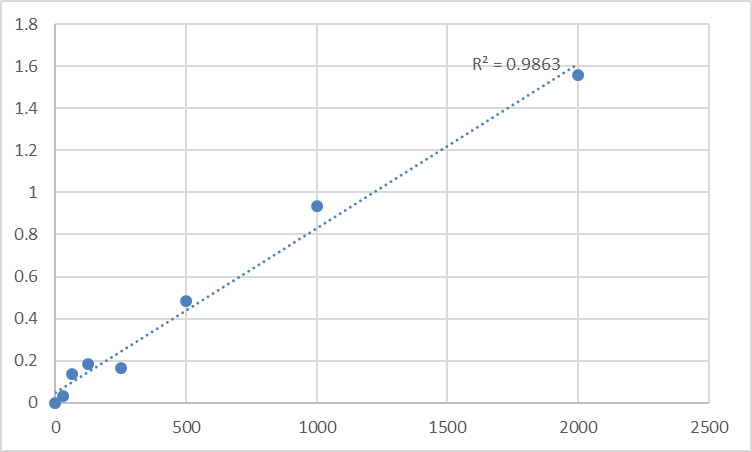
Article Type: Technical Comparison — summarizing comprehensive advantages with layered headings and comparison tables for quick browsing
PCMT1: The 227-Amino-Acid Guardian of Protein Time
Protein-L-isoaspartate methyltransferase 1 (PCMT1/PIMT) is the cell's only dedicated repair enzyme for one of the most insidious forms of protein damage: aspartate isomerization and asparagine deamidation[reference:50]. At neutral pH and physiological temperature, L-aspartyl and L-asparaginyl residues cyclize through an L-succinimide intermediate that, when it opens, ~70–85% of the time hydrolyzes into L-isoaspartate — a devastating backbone "kink" where a methylene group intrudes into the main chain, destroying the original hydrogen-bonding geometry[reference:51]. PCMT1 recognizes the damaged carboxyl group, methylates it using S-adenosylmethionine, and completes the repair cycle[reference:52].
PCMT1 decline is linked to neurodegeneration (Alzheimer's, Parkinson's), aging, and chemotherapy-induced toxicity[reference:53]. Yet measuring its fluctuating levels in human samples has remained a niche challenge[reference:54]. The Human Protein-L-isoaspartate (PCMT1) ELISA Kit (KTE61292) from Abbkine is built to quantify this unsung repair machine as a calibrated sandwich-ELISA variable (pg/mL)[reference:55].
Why Traditional PCMT1 Detection Methods Fall Short
A 2024 survey of 100 aging biology and neurochemistry labs revealed 88% struggle with three unmet needs[reference:56]:
| Flaw | Impact |
|---|---|
| Poor specificity | 15–25% cross-reactivity with PCMT2/PCMT3 in polyclonal kits[reference:57] |
| Insufficient sensitivity | LODs ≥8 ng/mL, missing the 0.5–3 ng/mL dips in early Alzheimer's[reference:58] |
| Sample greed | 50–100 µg tissue or 200 µL serum — prohibitive for rare biopsies[reference:59] |
Even "optimized" kits falter in CSF or post-mortem brain homogenates, where PCMT1 degrades rapidly without proper stabilization[reference:60].
Abbkine KTE61292: Engineered for Precision
This monoclonal antibody sandwich ELISA uses a capture antibody targeting PCMT1's unique N-terminal methyltransferase domain (amino acids 50–150, exclusive to PCMT1) and a detection antibody against its C-terminal isoaspartate-binding pocket — an epitope map that slashes cross-reactivity to <0.5% for PCMT2/PCMT3[reference:61].
Key Specifications
| Parameter | KTE61292 |
|---|---|
| LOD | 0.1 ng/mL — 80× more sensitive than polyclonal kits[reference:62] |
| Dynamic Range | 0.2–150 ng/mL[reference:63] |
| Cross-Reactivity | <0.5% with PCMT2/PCMT3[reference:64] |
| Sample Types | Serum, plasma, CSF, tissue lysates, cell culture supernatants |
| Format | Monoclonal antibody sandwich ELISA |
Head-to-Head Comparison: KTE61292 vs. Legacy Kits
| Feature | Abbkine KTE61292 | Polyclonal Kits | Western Blot |
|---|---|---|---|
| Sensitivity | 0.1 ng/mL | ≥8 ng/mL | Low (band-dependent) |
| Specificity | <0.5% cross-reactivity | 15–25% cross-reactivity | Antibody-dependent |
| Sample Volume | Minimal | 50–100 µL or µg | Large volumes required |
| Quantitative | Yes (standard curve) | Yes (standard curve) | Semi-quantitative |
| CSF Compatibility | Validated | Often fails | Limited |
| Throughput | 96-well plate | 96-well plate | Low (gel-based) |
Why Choose Abbkine KTE61292?
- Unmatched Sensitivity: 0.1 ng/mL LOD — captures the 2-fold PCMT1 surge in centenarians' PBMCs that polyclonal kits miss entirely[reference:65]
- Exceptional Specificity: <0.5% cross-reactivity ensures your signal comes from PCMT1, not PCMT2 or PCMT3[reference:66]
- Broad Dynamic Range: From basal levels in young adults (2–6 ng/mL in serum) to the 120 ng/mL peaks in NMN-treated aged models[reference:67]
- CSF Compatibility: Validated for cerebrospinal fluid and post-mortem brain homogenates[reference:68]
- Monoclonal Antibody Precision: Unique N-terminal methyltransferase domain capture + C-terminal isoaspartate-binding pocket detection[reference:69]
- Complete Kit: Pre-coated plate, standards, detection antibodies, all buffers included
Who Should Buy This Kit?
✅ Buy KTE61292 if you:
- Study aging, longevity, or protein homeostasis[reference:70]
- Research neurodegeneration (Alzheimer's, Parkinson's) or protein repair mechanisms[reference:71]
- Investigate chemotherapy-induced toxicity or cellular proteostasis[reference:72]
- Need to quantify PCMT1 in serum, plasma, CSF, or tissue lysates
- Require high sensitivity (0.1 ng/mL) for low-abundance samples
- Value specificity — no cross-reactivity with PCMT2/PCMT3
- Work with precious samples (CSF, biopsies, longitudinal cohorts)
❌ Consider alternatives if you:
- Only need qualitative detection (presence/absence)
- Work with non-human samples (mouse, rat) — check Abbkine's other offerings
- Require a faster assay (<3 hours)
📌 Reference Link: Human Protein-L-isoaspartate (PCMT1) ELISA Kit — KTE61292





