Collagen I Mouse Monoclonal Antibody (4H10) (ABM40379): Subtype-Specific Detection in a Superfamily of Structural Mimics
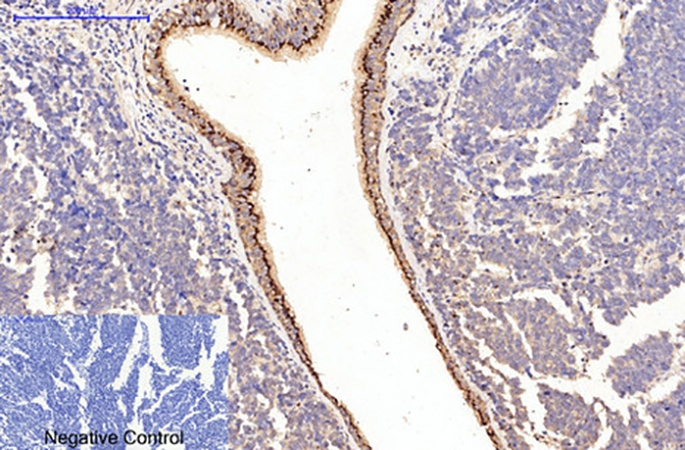
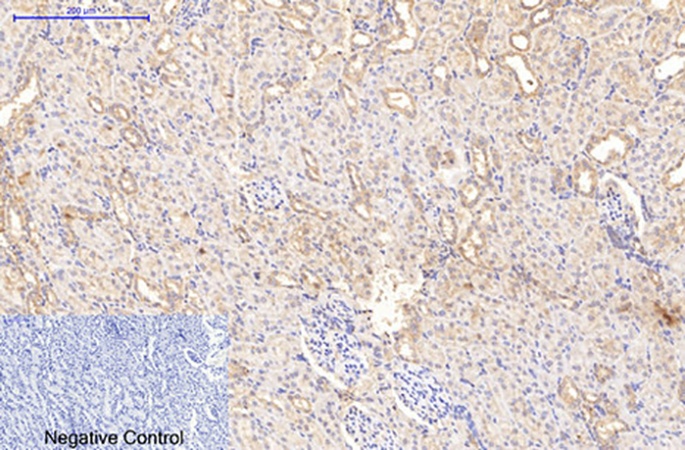
The Collagen Superfamily Problem: When "Collagen" Isn't Enough
Type I Collagen, encoded by COL1A1, is the most abundant fibril-forming collagen in the human body—the structural backbone of bone, dermis, tendon, and cornea. Its dysregulated deposition drives cancer stroma formation, tissue fibrosis, and chronic wound healing, while COL1A1 mutations cause osteogenesis imperfecta, Ehlers-Danlos syndrome, and idiopathic osteoporosis[reference:30].
But the collagen superfamily is structurally homologous by design. Type I, II, III, and IV collagens share Gly-X-Y repeat domains and triple-helical architectures. An antibody raised against a generic collagen epitope will bind multiple subtypes, producing a "Collagen I" signal that is actually a pooled collagen summation—an unacceptable ambiguity in tumor microenvironment research, where the selective deposition of Type I Collagen in tumor stroma modulates invasion and metastasis[reference:31].
Epitope-Specific Design: Unique to Type I
Abbkine's Collagen I Mouse Monoclonal Antibody (4H10, ABM40379) is generated using a synthetic peptide immunogen unique to Type I Collagen and affinity-purified from mouse antiserum via epitope-specific chromatography[reference:32].
This precision engineering ensures the antibody exclusively detects endogenous Type I Collagen at its expected molecular weight of 139 kDa, with no cross-reactivity to other collagen subtypes (Type II, III, IV) in complex tissue lysates or sections[reference:33].
Validated Species and Applications
| Parameter | ABM40379 |
|---|---|
| Target | Collagen I / COL1A1 |
| Clone | 4H10 |
| Host | Mouse |
| Reactivity | Human, Mouse, Rat |
| Observed Molecular Weight | 139 kDa |
| Concentration | 1 mg/mL |
| Applications | IHC, IF, WB |
| Price (30 μL, 1 mg/mL) | $109 |
The product has been cited in 2 peer-reviewed publications, including a study on SIRT1 preventing cigarette smoking-induced lung fibroblast activation via mitochondrial oxidative stress regulation[reference:34].
Head-to-Head: Collagen I Antibody Comparison
| Feature | ABM40379 (4H10) | Generic Collagen Antibodies |
|---|---|---|
| Epitope | Unique to Type I Collagen | Often shared Gly-X-Y or triple-helix motifs |
| Subtype Cross-Reactivity | None observed (II, III, IV) | Frequently present |
| Affinity Purification | Epitope-specific | Variable |
| Species Reactivity | Human, Mouse, Rat | Often limited |
| Applications | IHC, IF, WB | Variable |
| Publications | 2+ | Variable |
The Bottom Line
For skeletal biologists tracking osteogenesis imperfecta mutations, tumor microenvironment researchers mapping stromal Collagen I deposition, or fibrosis investigators distinguishing Collagen I from Collagen III in fibrotic lesions, ABM40379 delivers the subtype specificity that makes "Collagen I" mean Collagen I—and nothing else.
📎 Reference: Collagen I Mouse Monoclonal Antibody (4H10) (ABM40379)