




Human Cardiac Phospholamban (PLN) ELISA Kit — FAQ for Cardiovascular and Muscle Physiology Researchers
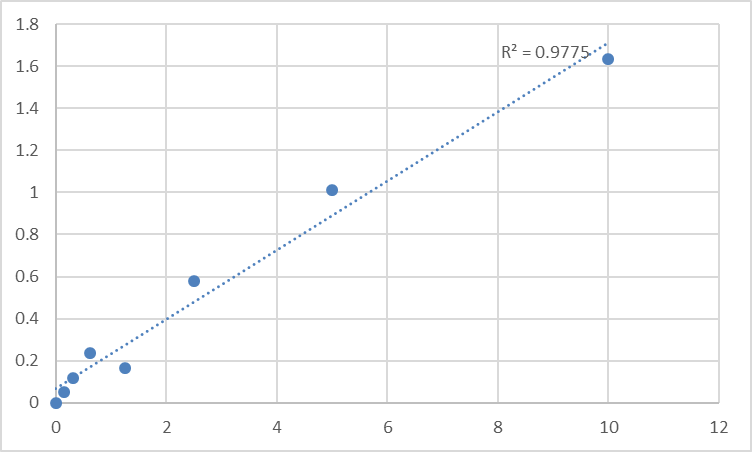
Article Type: FAQ / Knowledge Base — answering common questions about phospholamban quantification in human samples
Human PLN ELISA Kit: Your Questions Answered
Phospholamban (PLN) is a 52-amino-acid integral membrane protein that regulates the Ca²⁺ pump (SERCA) in cardiac muscle and skeletal muscle cells[reference:7]. When phospholamban is phosphorylated by protein kinase A (PKA) , its ability to inhibit the sarcoplasmic reticulum calcium pump (SERCA) is lost[reference:8]. This means activators of PKA, such as the beta-adrenergic agonist epinephrine, may enhance the rate of cardiac myocyte relaxation[reference:9]. Additionally, since SERCA is more active, the next action potential will cause an increased release of calcium, resulting in increased contraction (positive inotropic effect). When phospholamban is not phosphorylated — such as when PKA is inactive — it can interact with and inhibit SERCA[reference:10].
Abbkine's Human Cardiac Phospholamban (PLN) ELISA Kit (KTE61205) provides researchers with a reliable tool for quantifying this critical regulator of cardiac contractility in human samples. Here are answers to the most common questions about this kit and PLN detection.
What is the detection principle of this PLN ELISA kit?
This kit employs a two-site sandwich ELISA to quantitate PLN in samples[reference:11]. An antibody specific for PLN has been pre-coated onto a microplate[reference:12]. When you add standards and samples, any PLN present binds to the immobilized antibody[reference:13]. After removing any unbound substances, a biotin-conjugated antibody specific for PLN is added to the wells[reference:14]. After washing, Streptavidin conjugated Horseradish Peroxidase (HRP) is added[reference:15]. Following a wash to remove any unbound avidin-enzyme reagent, a substrate solution is added and color develops in proportion to the amount of PLN bound[reference:16]. The color development is stopped and the intensity is measured — providing a quantitative, colorimetric readout[reference:17].
What sample types can I use?
The kit is validated for cell culture supernatants, other biological fluids, plasma, and serum[reference:18].
What is the sensitivity and detection range?
The calibration range and limit of detection are listed as "Please inquire" on the product page[reference:19]. Abbkine's ELISA kits are engineered for high sensitivity and excellent specificity for detection of human PLN, with no significant cross-reactivity or interference between human PLN and analogues[reference:20]. For specific sensitivity information tailored to your expected concentration range, contact Abbkine's technical support team.
How should I store and handle the kit?
- Unopened kit: Store at 2–8°C[reference:21]
- Opened kit: Follow protocol-specific storage instructions
- Shipping: Gel pack with blue ice[reference:22]
Critical handling tips from the manufacturer[reference:23]:
- Do not mix components from different kit lots or use reagents beyond the kit expiration date
- Allow all reagents to warm to room temperature for at least 30 minutes before opening
- Pre-rinse the pipet tip with reagent; use fresh pipet tips for each sample, standard, and reagent to avoid contamination
- Unused wells must be kept desiccated at 4°C in the sealed bag provided
- Mix thoroughly — it is recommended using a low-frequency oscillator or slight hand shaking every 10 minutes
- Run samples and standards in duplicate or triplicate
What applications is this kit suitable for?
This kit is designed for research use only — not for human or clinical diagnosis[reference:24]. Applications include:
- Cardiac physiology and contractility research
- Heart failure and cardiomyopathy studies
- Beta-adrenergic signaling in the heart
- Skeletal muscle physiology (calcium handling, excitation-contraction coupling)
- Drug development (modulators of cardiac contractility)
- Biomarker discovery for cardiovascular diseases
What's the biological significance of PLN?
Phospholamban is a master regulator of cardiac contractility[reference:25]:
- When dephosphorylated, PLN inhibits SERCA — slowing calcium reuptake into the sarcoplasmic reticulum and reducing relaxation rate (lusitropy)
- When phosphorylated by PKA (via beta-adrenergic stimulation), PLN releases SERCA — enhancing relaxation and increasing the calcium available for the next contraction (positive inotropic effect)
- PLN dysregulation is implicated in heart failure, cardiomyopathies, and arrhythmias
What's included in the kit?
| Component | Included |
|---|---|
| Human Cardiac phospholamban microplate | ✅[reference:26] |
| Human Cardiac phospholamban standard | ✅[reference:27] |
| Human Cardiac phospholamban detect antibody | ✅[reference:28] |
| Streptavidin-HRP | ✅[reference:29] |
| Standard diluent | ✅[reference:30] |
| Assay buffer | ✅[reference:31] |
| HRP substrate | ✅[reference:32] |
| Stop solution | ✅[reference:33] |
| Wash buffer | ✅[reference:34] |
| Plate covers | ✅[reference:35] |
A complete, ready-to-use kit.
📌 Reference Link: Human Cardiac phospholamban (PLN) ELISA Kit — KTE61205





