




Human PIGF ELISA Kit — Application Scenarios for GPI Anchor Biology and Paroxysmal Nocturnal Hemoglobinuria Research
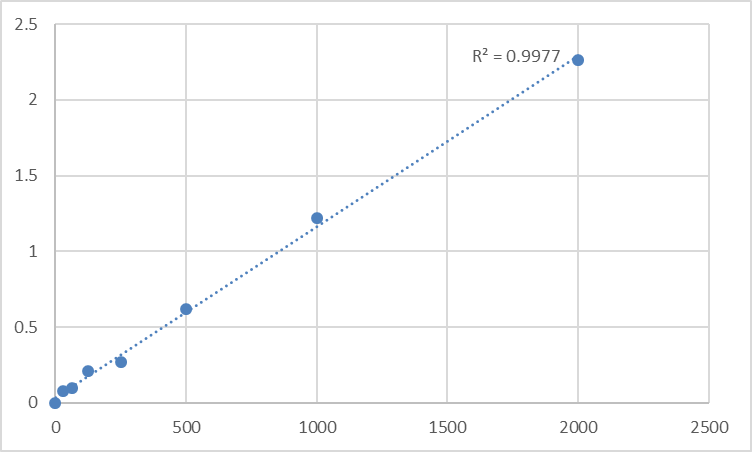
Article Type: Application Scenarios — showcasing the kit's value across different research fields investigating the GPI-anchor assembly factor
PIGF: The "Other" PIGF — A Gateway Factor You Rarely Measure but Can't Afford to Ignore
Phosphatidylinositol-glycan biosynthesis class F protein (PIGF) — not to be confused with Placenta Growth Factor — is a ~25–27 kDa ER-resident factor that participates in the middle/later phase of GPI-anchor assembly[reference:36][reference:37]. The GPI anchor is not a protein — it's a phosphatidylinositol-based glycolipid built stepwise in the ER membrane; the finished anchor is then transamidated onto target proteins bearing the signature C-terminal GPI-attachment signal[reference:38]. PIGF helps shepherd the pre-GPI intermediate through the assembly line that ultimately tethers CD55, CD59, CD157/BST1, alkaline phosphatase, and hundreds of other proteins to the outer leaflet of the plasma membrane[reference:39].
The Human Phosphatidylinositol-glycan biosynthesis class F protein (PIGF) ELISA Kit (KTE61212) from Abbkine exists to turn this historically "invisible" ER-resident assembly factor into a calibrated, plate-readable concentration (pg/mL) you can normalize, repeat, and — crucially — correlate with GPI-anchor integrity, hematopoietic stem/progenitor phenotypes, and PNH-clone dynamics[reference:40].
Paroxysmal Nocturnal Hemoglobinuria (PNH) Research
The canonical acquired GPI-defect disease is PNH, where an X-linked PIGA somatic mutation in a hematopoietic stem cell knocks out the very first step of GPI-anchor synthesis, producing a PNH clone whose progeny lack all GPI-anchored proteins (CD55⁻ CD59⁻ …) and become complement-sensitive, thrombosis-prone, and anemia-driving[reference:41]. While PIGF itself is not the PNH target gene, its protein level is a readout of whether the GPI pathway "machinery" is present and intact[reference:42]. Hematology researchers use this kit to:
- Quantify PIGF in bone marrow aspirates and peripheral blood mononuclear cell (PBMC) lysates
- Monitor PIGF levels in PNH patient samples and healthy controls
- Study the relationship between PIGF expression and GPI-anchored protein deficiency
- Investigate PIGF as a biomarker for PNH disease progression and treatment response
The kit features a microplate pre-coated with a highly specific monoclonal antibody targeting human PIGF, with no significant cross-reactivity with PIGF analogues or other enzymes in the GPI biosynthesis pathway[reference:43][reference:44].
GPI Anchor Biology and Glycosylphosphatidylinositol Biosynthesis
The GPI anchor assembly cascade includes multiple structurally related proteins that can confound non-specific detection assays[reference:45]. Researchers studying GPI anchor biology use this kit to:
- Quantify PIGF in ER-enriched fractions and cell lysates
- Study PIGF's role in the GPI transamidase complex (GPAA1–PIGK–PIGS–PIGT–PIGU/PIGW)[reference:46]
- Investigate PIGF's involvement in ethanolamine-phosphate addition steps and pre-GPI intermediate hand-off[reference:47]
- Monitor PIGF expression in GPI biosynthesis pathway studies
Rare Disease Drug Development
For researchers in rare disease drug development, the accurate and specific quantification of human PIGF is a prerequisite for unraveling GPI anchor dysfunction mechanisms and advancing translational studies for PNH and related disorders[reference:48]. Drug developers use this kit to:
- Quantify PIGF in preclinical models of GPI-anchor deficiency
- Monitor pharmacodynamic responses to GPI-targeted therapeutics
- Study the effects of small molecules on GPI biosynthesis pathway components
Why Choose This Kit for Your PIGF Research?
| Feature | Benefit |
|---|---|
| Two-site sandwich ELISA | Quantitative, specific detection[reference:49] |
| Human reactivity | Directly applicable to human samples |
| Exceptional specificity | No cross-reactivity with PIGF analogues or other GPI pathway enzymes[reference:50] |
| Sample versatility | Validated for cell culture supernatants, plasma, serum, and other biological fluids[reference:51] |
| Minimal sample preprocessing | Eliminates complex protocols that risk PIGF degradation or loss[reference:52] |
| Complete components | Ready-to-use — pre-coated plate, standards, detection antibodies, all buffers |
Kit Components at a Glance
- Human PIGF microplate (pre-coated with capture antibody)
- Human PIGF standard
- Human PIGF detection antibody (biotin-conjugated)
- Streptavidin-HRP
- Standard diluent, assay buffer, HRP substrate, stop solution, wash buffer, plate covers
🔬 Which research field does your work belong to?
PNH Research | GPI Anchor Biology | Rare Disease Drug Development | Hematology | Other
Share your application with us — we'd love to hear how you're using this kit in your studies!
📌 Reference Link: Human Phosphatidylinositol-glycan biosynthesis class F protein (PIGF) ELISA Kit — KTE61212





