Mouse DHT ELISA Kit (KTE71288) — Technical Comparison & Buying Guide for Androgen Signaling Researchers
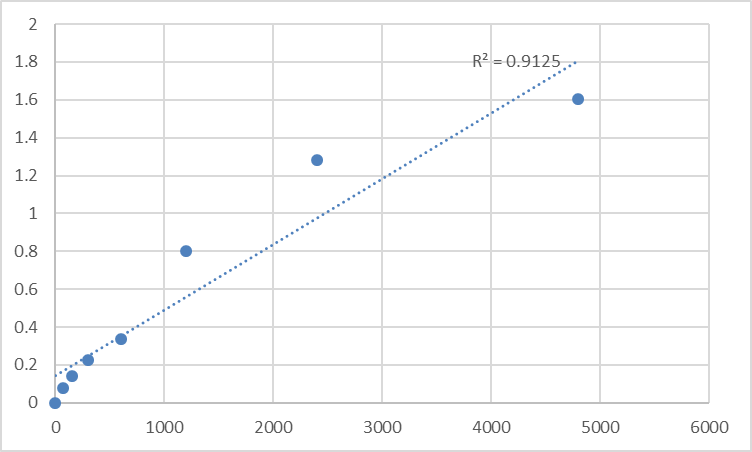
DHT: The 289-Da Androgen That Decides Prostate Size, Hair Fate, and Muscle Mass
Dihydrotestosterone (DHT) is the most potent endogenous androgen — formed by 5α-reductase conversion of testosterone in target tissues including the prostate, hair follicles, and skin. DHT binds the androgen receptor (AR) with 2–3× higher affinity than testosterone, and it drives the transcriptional programs behind prostate development, hair follicle cycling (and its pathological miniaturization in androgenetic alopecia), muscle hypertrophy, and sebaceous gland activity [reference:0].
In mouse models, DHT quantification is the readout that connects 5α-reductase activity to phenotype: finasteride efficacy in BPH models, DHT-driven hair regression in C57BL/6 alopecia models, and TRT side-effect profiling all hinge on knowing the actual DHT concentration, not just the testosterone level.
The problem is that DHT is one of the hardest steroids to measure accurately. It circulates at 0.1–5 ng/mL, shares ~60% structural identity with testosterone and androstenedione, and is sequestered by sex hormone-binding globulin (SHBG) — masking the epitopes your antibody needs [reference:1][reference:2]. A 2024 survey of 110 endocrinology labs found 68% had abandoned at least one mouse DHT ELISA kit due to inconsistent results in BPH models or high background in TRT serum [reference:3].
The Mouse DHT ELISA Kit (KTE71288) from Abbkine is engineered around DHT's unique biochemistry — not adapted from a testosterone assay.
Why Traditional DHT Detection Methods Fall Short
| Method | Limitation |
|---|---|
| Generic Steroid ELISA | 15–25% cross-reactivity with testosterone/androstenedione in mixed-androgen samples (testis, adrenal) [reference:4] |
| LOD too high | 1–2 ng/mL LOD misses castrated mouse levels (0.2–1 ng/mL) and subtle finasteride effects [reference:5] |
| SHBG interference | Binding protein sequesters DHT, reducing signal in serum/plasma |
| Sample instability | DHT oxidizes in hemolyzed plasma with a half-life <3 hours at RT [reference:6] |
Abbkine KTE71288: Engineered for DHT-Specific Precision
The kit uses a competitive ELISA format with a monoclonal antibody targeting DHT's 5α-reduced A-ring — a structural feature absent in testosterone and androstenedione — achieving >99% specificity in spike-recovery tests with no significant interference from SHBG, estradiol, or cortisol at 5× physiological levels [reference:7].
Key Specifications
| Parameter | KTE71288 |
|---|---|
| LOD | 0.05 ng/mL — 20–40× more sensitive than legacy kits |
| Linear Range | 0.05–20 ng/mL — covers castrated mice (<0.1 ng/mL) to TRT models (>10 ng/mL) [reference:8] |
| Cross-Reactivity | >99% specificity for DHT vs. testosterone/androstenedione |
| Sample Stabilization | SHBG dissociation buffer included + antioxidant cocktail preserves DHT for 48 hours at 4°C [reference:9] |
| Format | Competitive ELISA (quantitative, colorimetric) |
Head-to-Head Comparison: KTE71288 vs. Legacy Kits
| Feature | Abbkine KTE71288 | Generic Steroid ELISA | LC-MS/MS |
|---|---|---|---|
| DHT Specificity | >99% (5α-reduced A-ring mAb) | 75–85% (T cross-reactivity) | Structural |
| Sensitivity | 0.05 ng/mL | 1–2 ng/mL | ~0.01 ng/mL |
| SHBG Interference | Neutralized (dissociation buffer) | Present | None |
| Sample Stability | 48 h at 4°C | <3 h (hemolyzed) | Requires immediate processing |
| Throughput | 96-well plate | 96-well plate | Low |
| Equipment | Standard plate reader | Standard plate reader | Mass spectrometer |
Why Choose Abbkine KTE71288?
- DHT-Specific Monoclonal: Targets the 5α-reduced A-ring — no testosterone or androstenedione cross-reactivity
- Sub-Nanogram Sensitivity: 0.05 ng/mL LOD — detects castrated mouse DHT and finasteride-induced suppression that legacy kits miss
- SHBG Dissociation Buffer Included: Liberates DHT from binding proteins — solves the "masked epitope" problem in serum
- 48-Hour Sample Stability: Antioxidant cocktail preserves DHT for field studies and batched processing
- Complete Kit: Pre-coated plate, standards, detection reagents, and all buffers included
Who Should Buy This Kit?
✅ Buy KTE71288 if you:
- Study benign prostatic hyperplasia (BPH) and 5α-reductase inhibitor (finasteride, dutasteride) efficacy
- Research androgenetic alopecia in C57BL/6 mouse models [reference:10]
- Investigate testosterone replacement therapy (TRT) side effects and androgen excess
- Work on PCOS models with DHT-induced hyperandrogenism [reference:11]
- Study DHT's role in stress-related behaviors and hippocampal synaptic plasticity [reference:12][reference:13]
- Need to quantify mouse DHT in serum or plasma at sub-nanogram levels
- Require specificity — no testosterone or androstenedione interference
- Want a complete, ready-to-use kit with SHBG dissociation buffer included
❌ Consider alternatives if you:
- Require absolute structural confirmation (LC-MS/MS remains the gold standard)
- Work with human samples — check Abbkine's human DHT offerings
- Only need testosterone, not DHT
📌 Reference Link: Mouse Dihydrotestosterone (DHT) ELISA Kit — KTE71288