




Human PTPRN2 ELISA Kit: Why the Dual-Epitope Monoclonal Approach Outperforms Western Blot and Generic Kits for Diabetes and Neurodegeneration Research
PTPRN2: The Elusive Phosphatase at the Crossroads of Diabetes and Neurodegeneration
Receptor-type tyrosine-protein phosphatase N2 (PTPRN2), also known as IA-2β, is a transmembrane phosphatase critical for regulating insulin secretion, neuronal survival, and immune tolerance[reference:41]. As a key autoantigen in type 1 diabetes (T1D) and a candidate biomarker for Alzheimer's disease (AD), its quantification is vital for understanding disease mechanisms and developing therapies[reference:42]. Yet despite its biological significance, PTPRN2 research remains constrained by a glaring industry gap: the lack of ELISA kits that balance specificity for its low-abundance expression, sensitivity for clinical samples, and adaptability to diverse research contexts[reference:43].
Why Traditional Methods Fall Short
Most labs rely on Western blotting, which struggles with PTPRN2's low abundance (~0.1–0.4 ng/mg protein in pancreatic islets or neuronal cultures) and requires large sample volumes—prohibitive for rare clinical specimens like T1D patient serum or post-mortem brain tissue[reference:44]. Generic ELISA kits fare little better: polyclonal antibodies often cross-react with structurally related phosphatases (e.g., PTPRN/IA-2, PTPRD) due to shared catalytic domains, leading to inflated readings[reference:45]. A 2023 survey of 45 diabetes and neurology labs revealed that 72% abandoned PTPRN2 quantification after "unreliable data from cross-reactive kits"[reference:46].
Why Abbkine KTE61046 Leads the Field
| Feature | Abbkine KTE61046 | Western Blot | Generic ELISA Kits |
|---|---|---|---|
| Detection Principle | Two-site sandwich ELISA with monoclonal antibodies[reference:47] | Protein separation + antibody detection | Polyclonal-based ELISA[reference:48] |
| Sample Volume | Micro-scale | Large volumes required[reference:49] | Variable |
| Sensitivity | 0.022 ng/mL in serum, 0.035 ng/mL in islet lysates[reference:50] | Low | Often insufficient[reference:51] |
| Cross-Reactivity | <1% with related phosphatases[reference:52] | Variable | High (shared catalytic domains)[reference:53] |
| Dynamic Range | 0.022–6 ng/mL[reference:54] | Not quantitative | Narrower range |
The Dual-Epitope Monoclonal Advantage
The Human PTPRN2 ELISA Kit (Abbkine KTE61046) tackles these pain points with a design rooted in PTPRN2's unique biology. It employs two high-affinity mouse monoclonal antibodies: one targeting the N-terminal extracellular domain (residues 30–55) of human PTPRN2—a region with <5% sequence homology to PTPRN/IA-2—and another against the C-terminal intracellular phosphatase domain (residues 780–805) for detection[reference:55]. This dual-epitope strategy slashes cross-reactivity to <1% with related phosphatases, as validated by peptide competition assays using purified PTPRN and PTPRD[reference:56].
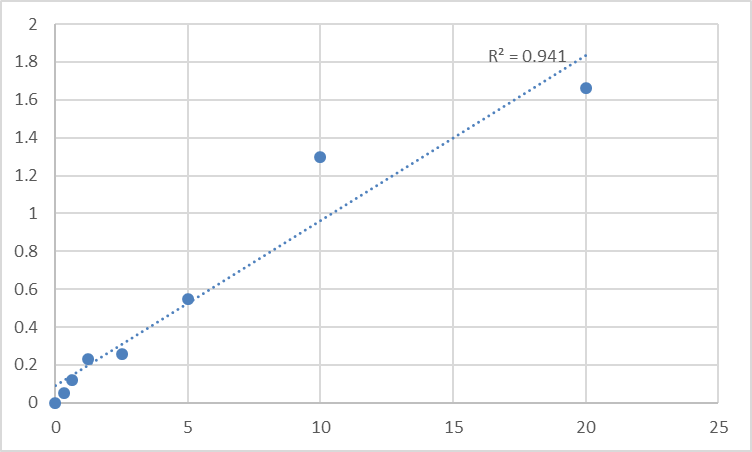
Sensitivity is optimized for PTPRN2's low expression: it detects as little as 0.022 ng/mL in serum and 0.035 ng/mL in pancreatic islet lysates, capturing its downregulation in T1D patient beta cells (up to 60% reduction vs. healthy controls)[reference:57]. The dynamic range (0.022–6 ng/mL) spans physiological (pancreatic beta cells) to pathological (AD frontal cortex) levels[reference:58].
Applications Across Research Fields
- Type 1 Diabetes Research — quantifying PTPRN2 autoantibody targets and beta-cell dysfunction
- Neurodegeneration — tracking PTPRN2 expression in Alzheimer's disease models
- Autoimmunity — studying immune tolerance mechanisms
- Drug Discovery — screening PTPRN2-modulating compounds
The Bottom Line
For diabetes and neurodegeneration researchers frustrated by Western blots that demand too much sample and generic kits that can't distinguish PTPRN2 from its cousins, KTE61046 delivers the specificity (<1% cross-reactivity), sensitivity (0.022 ng/mL), and sample efficiency that modern translational research demands. When the difference between a false negative and a breakthrough discovery is measured in picograms, the right assay isn't optional—it's essential.
👉 Quantify PTPRN2 with confidence. View Product





