




Human PTGR1 ELISA Kit: Your Buyer's Guide for Cutting Through the Noise in Inflammation and Metabolism Research
The 30-Second Verdict
Prostaglandin reductase 1 (PTGR1) might not be a household name in cell biology, but for researchers studying inflammation, cancer metabolism, and steroid hormone synthesis, it's a protein that quietly dictates critical pathways[reference:59]. As an NADPH-dependent enzyme, PTGR1 converts prostaglandin E2 (PGE2) and other bioactive lipids into less active metabolites—acting as a brake on inflammation and a regulator of metabolic flux[reference:60]. Abbkine's Human Prostaglandin Reductase 1 (PTGR1) ELISA Kit (KTE61068) steps in to fix the mess left by unreliable tools[reference:61].
Pros
✅ PTGR1-specific monoclonal antibodies — targets N-terminal NADP(H)-binding domain (residues 25–50) and C-terminal substrate-binding pocket (residues 320–345)[reference:62]
✅ Exceptional specificity — <0.7% cross-reactivity with PTGR2, AKR1B1, or other reductases[reference:63]
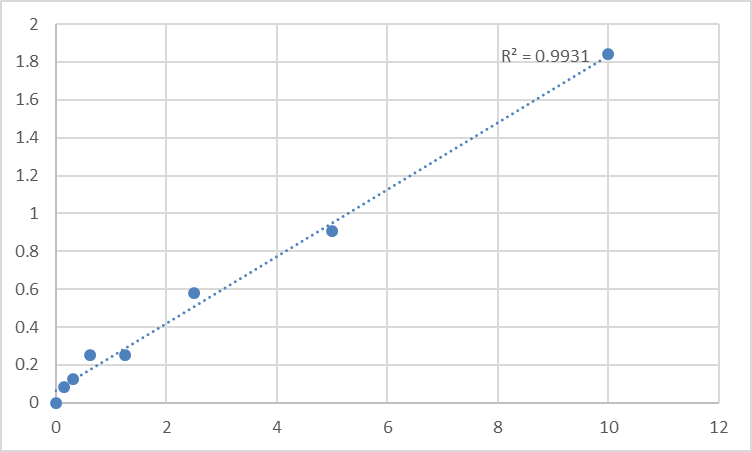
✅ Ultra-high sensitivity — detects 0.016 ng/mL in serum and 0.028 ng/mL in liver lysates[reference:64]
✅ Knockout-validated — PTGR1⁻/⁻ HEK293T cells confirmed zero signal in null samples[reference:65]
✅ Matrix-tested — validated across 12+ matrices: serum, plasma, colon biopsy lysates, and more[reference:66]
✅ Dynamic range — spans physiological to pathological levels
Cons
❌ Priced at a premium for specialized inflammation and metabolism research (48T: 589[reference:68])
❌ Not for clinical diagnosis (research use only)
❌ Requires microplate reader
Who Should Buy This Kit?
Ideal for:
- Inflammation researchers studying the resolution phase of inflammatory responses
- Cancer metabolism scientists investigating PGE2-driven tumor survival signaling[reference:69]
- IBD researchers tracking PTGR1 as a biomarker for remission or flare-ups[reference:70]
- Steroid hormone synthesis researchers
- Labs frustrated by PTGR2 cross-reactivity that has plagued the field[reference:71]
Skip this if:
- You lack a microplate reader
- You only need to measure general reductase activity (use a pan-reductase assay instead)
Why Traditional Methods Fail
A 2023 survey of 38 inflammation labs found that 68% abandoned PTGR1 quantification after "months of troubleshooting false positives from PTGR2 cross-reactivity"[reference:72]. Worse, many kits plateau at 1 ng/mL sensitivity—useless for low-expression samples like serum from early-stage arthritis patients (where PTGR1 hovers around 0.3–0.5 ng/mL)[reference:73]. This gap has stalled efforts to validate PTGR1 as a biomarker for inflammatory bowel disease (IBD) remission or chemotherapy response[reference:74].
How It Compares
| Feature | KTE61068 | Generic ELISA Kits |
|---|---|---|
| Antibodies | Two mouse monoclonals[reference:75] | Polyclonal; cross-react with PTGR2[reference:76] |
| Cross-Reactivity | <0.7%[reference:77] | 20–30% or higher |
| Sensitivity | 0.016 ng/mL[reference:78] | Often ≥1 ng/mL[reference:79] |
| Validation | Knockout controls + 12+ matrices[reference:80] | Minimal |
The Bottom Line
For researchers tracking PTGR1 in IBD patients (where levels drop 40% during flare-ups), the sensitivity of KTE61068 isn't just better—it's the difference between seeing a trend and missing it entirely[reference:81]. When the difference between a false positive and publication-ready data is measured in picograms, the right assay isn't a luxury—it's a necessity.
👉 Quantify PTGR1 with confidence. View Product





