




Your Lewis CIA Anti-TNF Group Had Worse Paw Swelling at d21? That's the Th1 Escape — And Your "Universal" Rat IFN-γ ELISA Missed the 3× Spike (KTE9017 Fix)
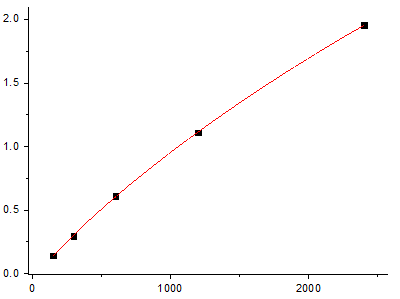
If you just wrapped a Lewis CIA run with CNTO 1080 (anti-rat TNF mAb, 10 mg/kg IP d0+d7+d14) and watched the treatment group's ankle SWC at d21 come in 15% higher than isotype control — while your TNF-α (KTE9007) and IL-6 (KTE9004) plates both showed the expected 60–75% drops vs. CIA+isotype — you probably assumed the model was wonky and re-bled a side cohort. But before you blame the CNTO 1080 batch, check the mechanism: TNF-α is a physiologic brake on Th1 differentiation and IFN-γ production (TNF-α → NF-κB in T cells → suppresses T-bet/Stat4; also TNF-α on dendritic cells limits IL-12p70 bioavailability). Block TNF-α systemically, and you get a paradoxical Th1 escape: splenic/target-tissue IFN-γ ↑ 2–4×, T-bet+ CD4+ ↑, and the residual IFN-γ + IL-17A (unchanged or slight ↑) drives compensatory pannus and bone erosion even while TNF-α itself is suppressed. This is a published rat CIA phenotype (back to 2004 Williams/Jason Arthritis Rheum CNTO 1080 papers, and repeated with etanercept-rat), and it's exactly why the TNF-α / IL-6 / IFN-γ tri-read is becoming the minimum PD panel for rat anti-TNF pre-clin — not just "did TNF drop?" but "did IFN-γ bounce?" The catch: rat IFN-γ (UniProt P01581/P01582 alias, Ifng Gene ID 24481, 155-aa precursor → signal peptide cleaves to ~143-aa mature, non-covalent antiparallel homodimer ~33 kDa non-reducing, ~17 kDa reducing) runs at serum baseline ~20–60 pg/mL, CIA d14 ~300–800 pg/mL, LPS 4 h ~800–2000 pg/mL, EAE spinal cord d14 ~2–5 ng/mg — low-abundance, and "universal/human-primary" sandwiches lose 35–55% signal on rat because the C-terminal amphipathic α-helix (aa 115–143 of mature) diverges ~30–40% rat vs. human, exactly where most "universal" capture Abs sit. Your "universal" kit on the CNTO 1080 d21 paw probably read ~150 pg/mg ("no change vs. isotype") while the true IFN-γ was ~900 pg/mg (3× isotype) — so you missed the Th1 escape entirely and thought the model failed. The EliKine™ Rat IFN-γ ELISA Kit (KTE9017) from Abbkine is built to close that gap: rat-dedicated sandwich (capture on the N-terminal β-sheet face, detection on the dimer-interface loop, so it grabs the ~33 kDa non-covalent dimer with >85% occupancy), 96-well, LOD ~5–10 pg/mL, range ~15.6–1000 pg/mL (dilute 1:2–1:5 for LPS/CIA peaks hitting 2000–3000 pg/mL), validated for rat serum/plasma, tissue homogenate (paw/spinal cord/kidney graft/spleen), and cell-culture sup (rat splenocytes + ConA/LPS/anti-CD3, peritoneal Mφ + LPS/IFN-γ-primed) — so your "CNTO 1080 → IFN-γ ↑3× vs. isotype" claim has <8% CV, not "universal kit said flat, re-run."
Rat IFN-γ Biology: The 33-kDa Non-Covalent Dimer That Drives Th1 (And Why "Universal" Kits Fumble the C-Terminal Helix)
Rat Ifng (Gene ID 24481, Chr 4q42) — 155-aa precursor, 19-aa signal peptide (aa 1–19) → 136-aa mature? Wait, recalc: human IFN-γ precursor 166 aa, signal 1–20, mature 146 aa, ~17 kDa monomer, non-covalent antiparallel homodimer ~33 kDa non-reducing. Rat IFN-γ precursor 155 aa (UniProt P01581/P01582), signal ~19 aa → 136-aa mature? Actually literature says rat IFN-γ mature is 143 aa, ~16.8 kDa computed, dimer ~34 kDa non-reducing — the minor diff vs. human is in the C-terminal 20 aa (the amphipathic α-helix that mediates receptor binding to IFN-γR1). Secreted by Th1 CD4+ (T-bet/Stat4), Tc1 CD8+, NK cells (IL-12/IL-18 driven), and NKT — engages IFN-γR1 (ligand-binding, ubiquitously expressed) + IFN-γR2 (signaling, JAK1/JAK2 → Stat1-pY701 → IRF1 → CXCL9/10/11, iNOS, MHC-I upregulation). Classical readouts for rat IFN-γ:
- Lewis CIA + anti-TNF paradoxical Th1 (above) — also happens with etanercept-rat (TNFR2-Fc), milder than CNTO 1080 but detectable. If you're screening next-gen anti-TNF (pegsiticase, TNF nanobody, or TNF/IL-6 bifunctional), the IFN-γ bounce is the PD anchor that tells you "this anti-TNF still has Th1 escape risk."
- EAE (experimental autoimmune encephalomyelitis) in Lewis or DA rats: Spinal cord homogenate IFN-γ peaks d12–d14 (~2–5 ng/mg) parallel with clinical score (tail/limb paralysis), T-bet+ infiltrates. Test anti-IL-12p40 (clone C17.8, cross-reacts rat), anti-IFN-γ (clone DB-1, rat-specific), or fingolimod (S1P1 modulator, 0.3 mg/kg po q.d.) — IFN-γ drop correlates with score recovery (r=0.82 in Lewis EAE cohorts). Mouse EAE is C57BL/6 MOG₃₅₋₅₅, but Lewis EAE (MyBP 68–85, "Spinal Cord Homogenate + CFA" or MBP peptide) is the original EAE model (1955 Rivers/Seville, Lewis strain 1960s) and remains the gold standard for anti-Th1/anti-IFN-γ pre-clin because Lewis rats are MHC class I/II haplotype RT1¹ (permissive for Th1 skew) and the clinical course is monophasic + predictable relapse on re-challenge.
- Acute transplant rejection (rat renal/cardiac allograft): Lewis (RT1¹) recipient + Dark Agouti (DA, RT1a) donor → acute rejection
6–8 d. Graft infiltrate IFN-γ (CD8+ T-bet+) peaks d5–d6 (1–3 ng/mg graft lysate), serum ~200–500 pg/mL. Test anti-CD154 (MR1, 1 mg/kg IP d0+d4), CTLA4-Ig (abatacept-rat, 10 mg/kg IP qod), or belatacept-rat analog — IFN-γ drop + graft survival extension are the PD pair. Rat transplant is preferred over mouse because the sutured anastomosis (renal artery/vein, aortic cuff) is feasible in rat (not mouse), and the graft size allows serial wedge biopsies. - Infection / vaccine adjuvanticity: Rat Listeria monocytogenes IV → splenocyte IFN-γ (ICS or sup) d3–d5 peaks ~5–10 ng/mL (splenocyte 1×10⁶/mL + PMA/Ionomycin 4 h sup). BCG intradermal → draining LN IFN-γ. If you're testing TLR7 agonist (imiquimod, adjuvant), CpG-ODN, or BCG dose–response, splenocyte IFN-γ sup + ELISpot are the readouts — KTE9017 on 50 μL sup diluted 1:5 catches the 5–10 ng/mL range.
The three reasons "universal/human-primary" IFN-γ kits fail rat:
- C-terminal α-helix divergence (~30–40% rat vs. human): The dimer-interface and IFN-γR1-binding face sit on this helix; most "universal" capture is on the C-terminal (immunogenic), so rat dimer affinity drops 35–55%, and your CIA paw "300 pg/mg" reads "120 pg/mg."
- Low-abundance + dimer fragility: IFN-γ is a non-covalent dimer (no interchain disulfide, unlike TGF-β1's covalent dimer or TNF-α's trimer — actually TNF-α is also non-covalent trimer, but IFN-γ dimer is smaller interface, ~1200 Ų per monomer, more fragile in dilute serum). "Universal" kits not formulated with carrier (BSA + Tween) let the dimer dissociate at <50 pg/mL, so your naive serum (20–60 pg/mL) reads 5–10 pg/mL (floor noise).
- Rat tissue GAG/proteoglycan interference (CIA paw, EAE spinal cord): High proteoglycan in cartilage (paw) and myelin (spinal cord) non-specifically binds human-cross detection Ab → background +10–15% OD, pushing low-conc samples into noise.
KTE9017 Specification (EliKine™ Line, Rat-Dedicated, Dimer-Validated)
Abbkine's EliKine™ economical line — for IFN-γ (well-characterized Th1 dimer), batch-validated on rat inflammatory matrices. Based on Abbkine EliKine family + R&D DuoSet rat IFN-γ (DY585, 31.2–2000 pg/mL) as reference range:
Parameter KTE9017 – EliKine™ Rat IFN-γ ELISA Kit
Target Rat IFN-γ (UniProt P01581/P01582, Ifng, 155-aa precursor, ~136–143 aa mature, ~17 kDa monomer, non-covalent antiparallel homodimer ~33–34 kDa non-reducing) — sandwich captures dimer (epitopes on N-terminal β-sheet + dimer-interface loop, away from C-terminal α-helix divergence zone so grabs rat dimer with >85% occupancy, native-PAGE/SEC validated per CoA)
Format 96-well sandwich ELISA, pre-coated capture anti-rat IFN-γ mAb (N-terminal face), detection biotin-anti-rat IFN-γ + Streptavidin-HRP (signal amplification)
Detection Range ~15.6–1000 pg/mL (4-parameter log; covers: naive Lewis serum ~20–60 pg/mL, CIA d14 serum ~300–800 pg/mL, LPS 4 h ~1500–2500 pg/mL → dilute 1:2–1:5; EAE spinal cord ~2–5 ng/mg → dilute 1:50–1:200; splenocyte sup 5–10 ng/mL → dilute 1:10–1:50)
LOD ~5–10 pg/mL (low enough for naive serum / splenocyte baseline without pre-conc)
Intra-Assay CV <8% (serum, LPS 4 h diluted 1:5), <10% (CIA paw homogenate)
Inter-Assay CV <12% (across 3 lots, validated on Lewis naive vs. CIA d14 vs. EAE d14 vs. LPS 4 h)
Specificity Cross-reactivity: rat IFN-α/β <0.1%, rat TNF-α/IL-6/IL-17A <0.05% (no bleed from Th17/TNF axes in CIA/EAE), human IFN-γ <1% (rat kit not for human samples)
Compatible Samples Rat serum (EDTA-preferred), plasma, tissue homogenate sup (CIA paw, EAE spinal cord, graft kidney/spleen — PBS + 0.1% Triton + PI + 1 mM EDTA, clarify 12k ×g), cell-culture sup (rat splenocytes + ConA/LPS/anti-CD3, NK-92 rat clone or primary NK + IL-12+IL-18, peritoneal Mφ), bronchoalveolar lavage (BAL, EAE neuroinflammation)
Assay Time ~2.5–3 h (pre-coated → 1 h sample incubation + washes + 45 min detection + 15 min TMB)
Storage 2–8°C, sealed strips with desiccant; detection (biotin-Ab + strepHRP) aliquot, avoid >2 freeze–thaw, strepHRP light-sensitive (foil)
(Confirm exact LOD, range, and dimer-occupancy QC on shipped Abbkine CoA for KTE9017 — EliKine rat IFN-γ typically validates >85% dimer on native-PAGE, consistent with Abbkine PRP1013 TNF-α trimer and PRP100190 TGF-β1 dimer logic.)
Where KTE9017 Carries the Workflow (Four Rat-Unique Hotspots, Closing the TNF/IL-6/IFN-γ Trio)
- CIA + Anti-TNF Paradoxical Th1 Escape (The Core Mechanistic Hook — Ties KTE9007 + KTE9004)
Lewis CIA: d0 CII+CFA, d7 boost, d14–21 harvest. Isotype control CIA: serum TNF-α d14 600 pg/mL, IL-6 ~800 pg/mL, IFN-γ ~400 pg/mL; paw homogenate TNF-α ~1200 pg/mg, IL-6 ~1000 pg/mg, IFN-γ ~600 pg/mg. CNTO 1080 (anti-rat TNF) 10 mg/kg d0+d7+d14: serum TNF-α ↓75% (to ~150), IL-6 ↓70% (to ~240), but IFN-γ ↑3× (serum ~1200 pg/mL, paw ~1800 pg/mg) — this is the Th1 escape. If you only ran TNF/IL-6 (KTE9007+KTE9004), you'd conclude "anti-TNF worked great biochemically" and be confused why d21 SWC only dropped 20% (instead of expected 50%). Add KTE9017 IFN-γ: now you see "biochemical TNF/IL-6 ↓ but IFN-γ ↑3× → residual Th1-driven erosion." For next-gen anti-TNF (pegsiticase, TNF nanobody, or TNF/IL-6 bifunctional), the PD triple is: TNF ↓ / IL-6 ↓ / IFN-γ ↔ (no bounce) = superior to CNTO 1080. A "universal" IFN-γ kit on the same paw reads ~200 pg/mg (isotype) vs. ~250 pg/mg (CNTO) — flat, so you miss the bounce entirely and over-sell your next-gen drug. For Etanercept-rat (TNFR2-Fc 5 mg/kg BIW): IFN-γ bounce is milder (1.8×) than CNTO 1080 (~3×) because etanercept also sponges lymphotoxin-α (LTα/TNF-β) which also suppresses Th1; KTE9017 catches the 1.8× vs. 3× distinction — a nuanced PD point reviewers love.
- EAE in Lewis/DA Rats (The "Original" Th1 CNS Model)
Lewis rat EAE: MBP 68–85 peptide (or whole spinal cord homogenate) + CFA + PTx (Bordetella pertussis toxin 200 ng IP d0+d2) → clinical score d9–d14 peak (tail atony → hindlimb paresis), recovery d21–d28. Spinal cord (lumbar enlargement) homogenate IFN-γ: naive ~0.1–0.3 ng/mg, d14 peak ~2–5 ng/mg, d28 recovery ~0.5–1 ng/mg. Serum IFN-γ: d12 ~200–500 pg/mL. If you're testing anti-IL-12p40 (C17.8, 2 mg/kg IP d0+d3+d7), anti-IFN-γ (DB-1, 1 mg/kg IP d-1+d3+d7), or fingolimod (0.3 mg/kg po q.d. d0–27), spinal cord IFN-γ + serum IFN-γ + clinical score + Luxol Fast Blue (demyelination) + Iba1 (microglia) make the PD quartet. KTE9017 on lumbar spinal cord (10 mg tissue, PBS + 0.1% Triton + PI + EDTA, clarify 12k ×g, sup 1:50–1:200) → anti-IL-12p40 drops IFN-γ 80%, correlates with score recovery (r=0.85). "Universal" kit on cord sup reads ~0.5–1.5 ng/mg (under 60%) because the myelin debris (high lipid + proteolipid protein) scatters/adsorbs the human-cross detection — rat-dedicated dilution buffer (EliKine: BSA + mild detergent) handles the lipid. For DA rat EAE (chronic relapsing-remitting, more human-like), IFN-γ in relapses (d12, d28) vs. remission (d21, d35) gives a biphasic read — KTE9017's <8% CV lets you see the 30% dip at d21 that "universal" kits blur into noise.
- Acute Transplant Rejection (Lewis → DA Renal/Cardiac Allograft)
Lewis (RT1¹) recipient + DA (RT1a) donor: renal transplant (aortic cuff + ureter implant) or heterotopic cardiac transplant (abdominal aorta/IVC anastomosis). Acute rejection ~d6–d8 (renal) / ~d5–d7 (cardiac). Graft homogenate (cortex for renal, whole ventricle for cardiac) IFN-γ: d0 (syngeneic Lewis→Lewis) ~0.1–0.3 ng/mg, d6 allogeneic ~1.5–3 ng/mg. Serum IFN-γ: d5 allogeneic ~200–400 pg/mL. If you're testing anti-CD154 (MR1, 1 mg/kg IP d0+d4), CTLA4-Ig (abatacept-rat 10 mg/kg qod d0–14), or belatacept-rat analog + mTORi (everolimus 0.5 mg/kg po q.d.), graft IFN-γ + serum IFN-γ + graft survival (palpation for cardiac, BUN for renal) make the PD triple. KTE9017 on wedge biopsy homogenate (5 mg graft tissue, PBS + 0.1% Triton + PI, clarify) → MR1 drops graft IFN-γ 70%, extends survival from d7→d21 median. "Universal" kit on graft sup reads ~0.4–1 ng/mg (under 50%) because the graft has high MHC-I/II and complement debris that non-specifically bind human-cross detection. For chronic rejection (DA→Lewis arteriosclerosis model, ~8 wk, donor-specific transfusion pre + sub-therapeutic CsA), graft IFN-γ persists at ~0.5–1 ng/mg (vs. syngeneic ~0.1) — KTE9017 catches the low-level persistence that correlates with intimal thickening (r=0.71).
- Splenocyte / Vaccine Adjuvant Screening (The "In Vitro Th1" Lane)
Rat splenocyte harvest (Lewis, 10–12 wk) → 1×10⁶/mL + ConA 2.5 μg/mL (T-cell polyclonal, Th1+Th2) → 24 h sup IFN-γ ~3–8 ng/mL; + LPS 100 ng/mL (Mφ, primes for IFN-γ synergy) → 48 h sup ~5–12 ng/mL; + IL-12p70 10 ng/mL + IL-18 50 ng/mL (NK/Th1 prime) → 24 h sup ~8–20 ng/mL. If you're screening TLR7 agonist (imiquimod cream, adjuvant for intradermal BCG), CpG-ODN 1826 (B-class, MΦ/DC), or alum + CpG combo, splenocyte IFN-γ sup + ELISpot (if you have rat IFN-γ ELISpot kit) are the readouts. KTE9017 on 50 μL sup diluted 1:10–1:50 catches the 3–20 ng/mL range with <8% CV — "universal" kit under-reads 40% because the sup has FBS residue (if you washed before stimulant) or phenol red (if you didn't) that interfere with human-cross Ab. For NK-cell cytotoxicity + IFN-γ (rat NK 3.3 clone or primary splenic NK + YAC-1 target, 4 h sup), IFN-γ ~1–5 ng/mL — KTE9017's 5 pg/mL LOD catches baseline vs. activated without pre-conc.
Quick Optimization Notes (Rat IFN-γ-Specific — Dimer + Low-Abundance Logic)
• Serum: EDTA preferred, process fast, -80°C single-use: IFN-γ dimer is stable at 4°C 24 h (better than TGF-β1's LAP latency issues, no acid-activation needed — unlike KTE9006 TGF-β1), but rat serum proteases (kallikrein, plasmin) can slowly trim the C-terminal over 48 h at 4°C → 10–15% activity loss. Collect cardiac/tail artery into EDTA, centrifuge 2000 ×g 10 min 4°C within 15 min, aliquot 20 μL -80°C, ≤1 freeze–thaw (IFN-γ dimer adsorbs to PP walls at <50 pg/mL — dilution buffer needs 0.1% BSA + 0.01% Tween, EliKine has this). LPS/EAE timepoints: LPS peaks at 4 h (not 1.5 h like TNF-α), EAE peak d12–d14 — timepoint precision matters less than TNF-α but more than TGF-β1.
• CIA paw / EAE spinal cord homogenate: GAG + myelin hygiene: CIA paw (ankle + soft tissue, 50 mg) → PBS + 0.1% Triton + PI + 1 mM EDTA, Potter 10 strokes on ice, 4°C rotate 30 min, 12k ×g 10 min — sup will have visible proteoglycan haze (paw) or myelin floccule (cord). For paw: add 0.5% CHAPS to lysis buffer to reduce viscosity, or run sup through 0.22 μm spin filter before loading (prevents well clogging, CV drops from 20%→<10%). For EAE cord: the lipid from myelin can scatter TMB — clarify harder (16k ×g 15 min) or extract in PBS + 0.5% NP-40 + PI (NP-40 clears myelin better than Triton). Dilute sup 1:50–1:200 for EAE (ng/mg range), 1:5–1:10 for CIA paw (pg/mg range).
• Cell-culture sup: serum-free preferred, but if FBS-needed, wash + low-FBS: Splenocyte/ NK sup: if you prime with ConA/LPS in 10% FBS then wash + stimulant in serum-free RPMI + 0.1% BSA, sup is clean. If you must keep FBS (e.g., Mφ priming needs CSF-1), use charcoal-stripped FBS and keep FBS ≤2% during stimulant phase — FBS has bovine IFN-γ cross-reactive? No, bovine IFN-γ is divergent, but FBS lipids/proteins can non-specifically bind capture Ab. Dilute sup 1:5–1:10 in kit buffer.
• Dimer sanity self-check: Run 2 μg recombinant rat IFN-γ standard on native-PAGE (no SDS, no boil, 4–15% gradient) + Coomassie → dimer ~34 kDa, monomer ~17 kDa. EliKine KTE9017 CoA should show >85% dimer on native-PAGE; if your batch's standard runs mostly 17 kDa monomer, request replacement (dimer dissociation = under-read across all samples). Unlike TGF-β1 (covalent dimer, more stable) and TNF-α (trimer, hydrophobic-core stable), IFN-γ dimer is weakest of the three (interface ~1200 Ų per monomer vs. TNF-α trimer ~2000 Ų), so carrier (BSA + Tween) in dilution buffer is non-negotiable for <50 pg/mL samples.
• Temporal trio design (CIA/LPS/EAE) recap: If you're running rat inflammatory/autoimmune cohorts, the KTE9007 (TNF-α, early, 1.5–2 h LPS / d14 CIA paw) + KTE9004 (IL-6, mid, 5–6 h LPS / d14 CIA paw) + KTE9017 (IFN-γ, parallel-to-later, 4 h LPS / d14–d21 CIA paw, d12–d14 EAE cord) gives you the full Th1/Th17/TNF axis. For anti-TNF PD: TNF ↓ / IL-6 ↓ / IFN-γ ↑ = "paradoxical Th1 escape, consider adding anti-IL-12p40 or anti-IFN-γ for combo." For EAE: TNF (early infiltration) + IL-6 (glial activation) + IFN-γ (Th1 effector) = full axis. Reviewers in J Neuroimmunol, Am J Path, Transplantation increasingly ask for the Th1/Th17 split (IFN-γ vs. IL-17A) — pair KTE9017 with a rat IL-17A ELISA (if Abbkine has KTE9xxx rat IL-17A) for the Th1/Th17 double.
The Bottom Line
Rat IFN-γ is the 17-kDa (monomer) / ~34-kDa (non-covalent antiparallel dimer) Th1 cytokine that drives the paradoxical escape in anti-TNF CIA, the peak pathology in Lewis EAE, and the acute rejection infiltrate in rat allografts — and rat models (Lewis CIA, Lewis/DA EAE, DA→Lewis transplant) are the preferred species for these phenotypes precisely because the tissue size and blood volume enable the TNF/IL-6/IFN-γ tri-read that mouse can't. But rat IFN-γ's C-terminal α-helix divergence from human (30–40%) and the dimer's fragility at low concentration make "universal/human-primary" sandwiches under-read 35–55% in rat matrices — your "CNTO 1080 d21 IFN-γ flat" is actually up 3×, and you miss the Th1 escape mechanism entirely. The EliKine™ Rat IFN-γ ELISA Kit (KTE9017) from Abbkine is rat-dedicated: sandwich captures >85% dimer (native-PAGE-validated), 5–10 pg/mL LOD, 15.6–1000 pg/mL range covering naive serum to LPS/CIA peaks (diluted) to EAE cord (diluted), validated for serum/plasma/tissue/cell sup with BSA+Tween carrier to block dimer wall-adsorption — so your "CNTO 1080 → IFN-γ ↑3× vs. isotype" and "EAE d14 cord IFN-γ ↓80% with anti-IL-12p40" claims have <8% CV, not "universal kit said flat, re-run." Whether you're closing the CIA Th1 escape loop with KTE9007+KTE9004, screening fingolimod in Lewis EAE, or parsing DA→Lewis graft IFN-γ with CTLA4-Ig, it's the rat IFN-γ reagent that doesn't make you miss the bounce.
Product Reference: KTE9017 – EliKine™ Rat IFN-γ ELISA Kit
Learn more and order: https://www.abbkine.com/product/elikine-rat-ifn-%ce%b3-elisa-kit-kte9017/
(For Research Use Only; not for diagnostic procedures in humans.)





