




SUMF1: The Essential Activator - Quantifying the Master Regulator of Sulfatase Function with Precision
Imagine a single point of failure that could disable an entire network of cellular recycling machinery, leading to catastrophic accumulation of waste and systemic dysfunction. This is the reality for cells lacking functional Sulfatase Modifying Factor 1 (SUMF1), also known as the formylglycine-generating enzyme (FGE). SUMF1 is not a typical enzyme; it is the singular, non-redundant activator responsible for the catalytic competence of all human sulfatases. It performs a unique and essential post-translational modification, converting a specific cysteine residue within the conserved active site of nascent sulfatase polypeptides into Cα-formylglycine (FGly). This single chemical transformation is the mandatory "on-switch" for the entire sulfatase family, enzymes critical for hydrolyzing sulfate esters from glycosaminoglycans, sulfolipids, and steroid hormones. Consequently, mutations in the SUMF1 gene cause Multiple Sulfatase Deficiency (MSD), a severe and often fatal lysosomal storage disorder. Beyond this rare disease, SUMF1's role in regulating sulfatase activity places it at the crossroads of various physiological and pathological processes, making its precise quantification a vital need. The Human Sulfatase-modifying factor 1 (SUMF1) ELISA Kit (KTE60403) from Abbkine addresses this need directly, offering researchers a highly sensitive, specific, and reliable sandwich immunoassay to accurately measure SUMF1 protein levels in diverse biological matrices, from cell lysates to patient sera.
The Unparalleled Biological Significance of SUMF1
SUMF1 operates within the endoplasmic reticulum (ER) as the master conductor of sulfatase activity, a role with profound implications for cellular and organismal health. Sulfatases are hydrolytic enzymes required for the stepwise degradation of complex sulfated molecules. Their activity is indispensable for normal lysosomal function, cellular signaling, and development. The activation mechanism catalyzed by SUMF1 is exquisitely specific. It recognizes a conserved linear peptide motif (CXPXR) present in all nascent sulfatases and oxidizes the cysteine thiol to generate the unique FGly aldehyde hydrate, which serves as the catalytic nucleophile in the mature, active enzyme. This makes SUMF1 expression and function the rate-limiting step for global cellular sulfatase activity. The critical nature of this role is tragically highlighted in Multiple Sulfatase Deficiency, an autosomal recessive disorder where SUMF1 mutations lead to loss of function. Patients with MSD present a complex clinical picture combining features of several individual sulfatase deficiencies, including neurodevelopmental regression, ichthyosis, skeletal dysplasia, and hepatosplenomegaly. Research into SUMF1 extends beyond MSD, exploring its potential involvement in cancer progression, its regulation under cellular stress, and its interplay with other post-translational modification systems. Therefore, accurately measuring SUMF1 protein concentration is fundamental for diagnostic applications, pathophysiological studies, and therapeutic development across a spectrum of biomedical fields.
Assay Principle: Engineered for Specificity in a Sandwich Format
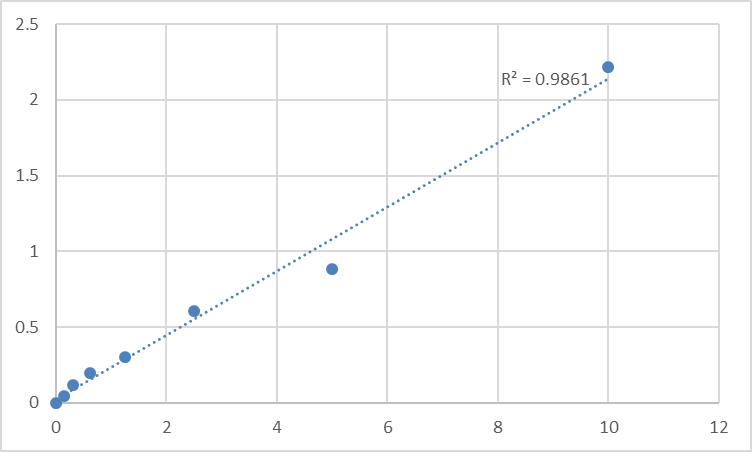
The Abbkine Human SUMF1 ELISA Kit is built on the robust and widely trusted sandwich ELISA platform, designed to deliver unambiguous quantification of the target protein. This method employs two highly specific antibodies that bind to distinct, non-overlapping epitopes on the SUMF1 molecule. The first, a monoclonal capture antibody, is immobilized onto the surface of a 96-well microplate. When a sample containing SUMF1 is added, the antigen binds selectively to this fixed antibody. After washing away unbound components, a second detection antibody, conjugated to biotin, is introduced. This antibody binds to a different site on the captured SUMF1, forming a stable "antibody-antigen-antibody" sandwich complex. Following another wash, Streptavidin conjugated to Horseradish Peroxidase (HRP) is added, which binds with high affinity to the biotin tags. A final wash removes any unbound enzyme conjugate. The subsequent addition of the chromogenic substrate, 3,3',5,5'-Tetramethylbenzidine (TMB), initiates the detection phase. HRP catalyzes the oxidation of TMB, producing a soluble blue color. The reaction is stopped with a strong acid, changing the solution to yellow. The intensity of this yellow color, measured at 450 nm on a standard microplate reader, is directly proportional to the amount of SUMF1 present in the original sample. Quantification is achieved by comparing sample absorbance to a standard curve generated from known concentrations of purified recombinant human SUMF1 protein.
Performance Specifications: Sensitivity, Precision, and Versatility
• Outstanding Sensitivity and Dynamic Range: The kit demonstrates a low minimum detectable concentration, typically below 0.1 ng/mL, enabling the reliable measurement of SUMF1 even in samples with low endogenous expression. The assay provides a broad quantification range from approximately 0.156 ng/mL to 10 ng/mL, accommodating a wide variety of sample types without the need for extensive pre-dilution.
• High Specificity with Minimal Interference: The paired antibody system has been rigorously validated to ensure high specificity for human SUMF1. Significant cross-reactivity with related proteins or analogues is not observed, guaranteeing that the measured signal is attributable solely to the target analyte.
• Excellent Reproducibility and Accuracy: The kit delivers consistent results with high precision, reflected in low intra-assay (repeatability) and inter-assay (reproducibility) coefficients of variation. Spike-and-recovery experiments performed in relevant biological matrices, such as serum or cell culture medium, yield recovery rates close to 100%, confirming the assay's accuracy and robustness against matrix effects.
• Comprehensive Sample Compatibility: This kit is optimized and validated for the quantitative detection of SUMF1 in a variety of sample types, including human serum, plasma (collected with EDTA or heparin anticoagulants), cell culture supernatants, tissue homogenates, and other biological fluids. This versatility supports diverse experimental designs, from clinical biomarker studies to basic cell biology research.
• Streamlined and User-Centric Workflow: The procedure is designed for efficiency and ease of use. The total assay time is approximately 3 to 4 hours, with straightforward incubation and wash steps. All critical components—pre-coated strips, ready-to-use standards, detection reagents, and substrates—are provided, ensuring a consistent and hassle-free experience.
• Rigorous Quality and Stability: Manufactured under stringent quality control protocols, the kit components are stable for extended periods when stored according to the specified conditions, ensuring reliable performance over time and lot-to-lot consistency crucial for long-term studies.
A Straightforward Protocol for Robust Data Generation
The assay follows a logical, step-by-step protocol designed to minimize hands-on time while maximizing reliability. After a brief equilibration of all reagents to room temperature, standards and prepared samples are pipetted into the designated wells of the pre-coated microplate. Following an incubation period to allow antigen binding, the plate is washed to remove unbound material. The biotin-conjugated detection antibody is then added and incubated. After another wash cycle, the Streptavidin-HRP conjugate is introduced. Subsequent to a final wash, the TMB substrate solution is added for color development. The enzymatic reaction is stopped after an optimal period by adding the stop solution, which also stabilizes the developed color. The absorbance of each well is then read at 450 nm (with a reference wavelength of 570 nm or 630 nm recommended to correct for optical imperfections). The concentration of SUMF1 in unknown samples is determined by interpolating their mean absorbance values from the standard curve using appropriate curve-fitting software.
Broad Applications in Research and Translational Medicine
- Investigating Multiple Sulfatase Deficiency (MSD): This kit is an indispensable tool for quantifying SUMF1 protein levels in patient-derived samples, such as fibroblasts, leukocytes, or plasma. It aids in correlating SUMF1 genotypes with protein expression phenotypes, assessing residual FGE activity, and evaluating the efficacy of novel therapeutic approaches like gene therapy or enzyme replacement strategies for MSD.
- Lysosomal Biology and Disorder Research: Beyond MSD, researchers can use the kit to study SUMF1 expression dynamics in models of other lysosomal storage disorders or cellular processes involving lysosomal function, autophagy, and metabolic stress.
- Cancer Research and Biomarker Discovery: Explore the emerging role of sulfatases and their activator in tumor microenvironment remodeling and cancer progression. Measure SUMF1 levels in tumor tissues, cell lines, or patient sera to investigate its potential as a diagnostic or prognostic biomarker in specific cancer types.
- Developmental Biology and Signal Transduction: Study the spatial and temporal regulation of SUMF1 expression during embryogenesis and tissue differentiation, and its impact on sulfatase-dependent signaling pathways that regulate morphogen gradients (e.g., Sonic hedgehog, Wnt) through heparan sulfate editing.
- Drug Discovery and High-Throughput Screening (HTS): Utilize the kit in HTS formats to identify small molecules or biologics that can modulate SUMF1 expression, stability, or enzymatic activity. It is also valuable for pharmacokinetic/pharmacodynamic studies in preclinical models to monitor target engagement.
- Basic Science and Mechanistic Studies: Employ the assay to monitor changes in SUMF1 secretion or intracellular levels in response to various stimuli, such as ER stress, oxidative stress, or changes in cellular differentiation state, providing insights into its regulatory mechanisms.
An Essential Tool for Unraveling Sulfatase Biology
The path to understanding complex regulatory proteins like SUMF1, and their profound impact on health and disease, is paved with precise and dependable measurement technologies. The Abbkine Human Sulfatase-modifying factor 1 (SUMF1) ELISA Kit (KTE60403) stands as a rigorously validated solution that empowers researchers with the means to accurately quantify this pivotal enzyme. By combining high sensitivity, exceptional specificity, and robust performance across multiple sample types, this kit removes a significant technical barrier in the field. It enables scientists to probe the fundamentals of sulfatase activation, advance the diagnosis and understanding of MSD, and explore the wider biological roles of SUMF1 with confidence. For any laboratory engaged in lysosomal biology, rare disease research, or the study of post-translational regulation, this ELISA kit is a critical asset for generating reliable, publication-quality data.
Product Reference: KTE60403 – Human Sulfatase-modifying factor 1 (SUMF1) ELISA Kit
Learn more and order: https://www.abbkine.com/product/human-sulfatase-modifying-factor-1-sumf1-elisa-kit-kte60403/





