




VLDL Quantification in Lipid Metabolism and Cardiovascular Research
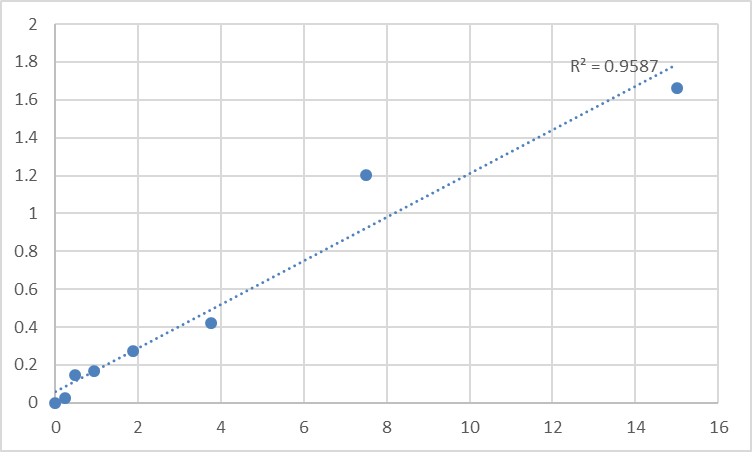
Very Low Density Lipoprotein (VLDL) is one of the five major groups of lipoproteins—along with chylomicrons, intermediate-density lipoprotein, low-density lipoprotein, and high-density lipoprotein. Produced by the liver, VLDL transports endogenous triglycerides and cholesterol to peripheral tissues. Dysregulated VLDL metabolism is a key driver of atherosclerosis, cardiovascular disease, and metabolic syndrome.
Abbkine's Human Very Low Density Lipoprotein (VLDL) ELISA Kit (KTE60050) enables precise quantification of this critical lipoprotein in human samples. Here's how researchers across different fields are applying it.
Cardiovascular Research: VLDL as a Risk Factor for Atherosclerosis
Elevated VLDL levels are a well-established risk factor for atherosclerosis and cardiovascular disease. Cardiovascular researchers use this kit to:
- Quantify VLDL in patient serum/plasma as a biomarker of cardiovascular risk
- Monitor VLDL levels in animal models of atherosclerosis and dyslipidemia
- Study VLDL's role in endothelial dysfunction and plaque formation
- Assess the effects of lipid-lowering therapies on VLDL levels
The sandwich ELISA format delivers quantitative data from serum or plasma.
Metabolic Syndrome and Diabetes Research
VLDL metabolism is closely linked to insulin resistance and metabolic syndrome. Researchers in metabolism and endocrinology use this kit to:
- Quantify VLDL in patient samples with type 2 diabetes or metabolic syndrome
- Study VLDL secretion in hepatocyte cell culture models
- Investigate the effects of dietary interventions on VLDL metabolism
- Monitor VLDL levels in obesity and weight loss studies
Hepatology: Liver Function and Lipid Metabolism
The liver is the primary site of VLDL production. Hepatology researchers leverage this kit to:
- Quantify VLDL secretion in primary hepatocyte cultures
- Study VLDL assembly and secretion in liver disease models (NAFLD, NASH, cirrhosis)
- Investigate the effects of hepatotoxic compounds on VLDL metabolism
- Monitor VLDL levels as a marker of liver function
Nutrition and Lipid Research
Dietary factors significantly influence VLDL levels. Nutrition researchers use this kit to:
- Study the effects of dietary fat composition on VLDL levels
- Investigate the role of nutraceuticals in modulating VLDL metabolism
- Quantify VLDL in intervention studies (diet, exercise, supplementation)
Why Choose This Kit for Your VLDL Research?
| Feature | Benefit |
|---|---|
| Quantitative sandwich ELISA | Precise, reliable VLDL measurement |
| Human-specific reactivity | Directly applicable to human studies |
| Multiple sample compatibility | Serum, plasma, cell culture supernatants |
| No cross-reactivity | Clean data—specific to VLDL |
| Complete kit | 10 components included—ready to use |
| Biotin-streptavidin HRP system | Amplified signal for better sensitivity |
Kit Components
- Human Very Low Density Lipoprotein microplate
- Human Very Low Density Lipoprotein standard
- Human Very Low Density Lipoprotein detect antibody
- Streptavidin-HRP
- Standard diluent, assay buffer, HRP substrate, stop solution, wash buffer, plate covers
📌 Reference Link: Human Very Low Density Lipoprotein (VLDL) ELISA Kit — KTE60050





