




Human SLC16A3/MCT4 ELISA Kit — Technical Comparison & Buying Guide for Metabolic Reprogramming Researchers
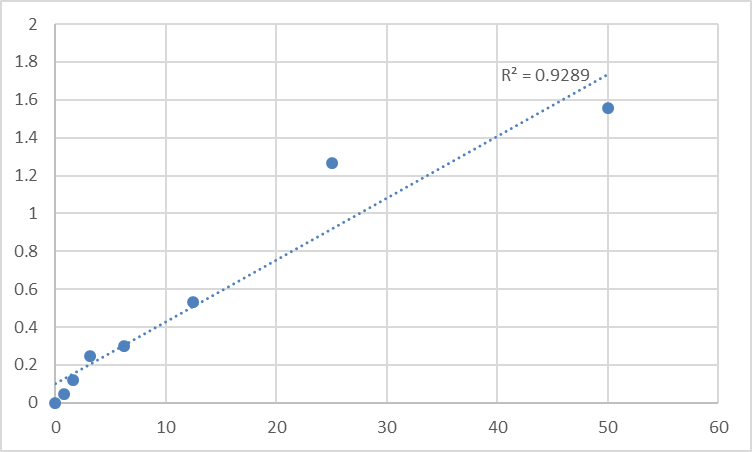
SLC16A3/MCT4: The Lactate Shuttle's Unsung Workhorse
SLC16A3 (Monocarboxylate Transporter 4, MCT4) mediates the efflux of lactate and ketone bodies in glycolytic tissues — a process central to the Warburg effect in cancer, exercise-induced metabolic adaptation in muscle, and neurodegenerative disease pathology[reference:0]. Yet SLC16A3 detection has remained a persistent headache: low basal expression in most tissues, rapid induction under hypoxia, and close homology with other SLC16 family members (MCT1, MCT8) have made reliable quantification elusive[reference:1].
The Human Monocarboxylate Transporter 4 (SLC16A3) ELISA Kit (KTE60625) from Abbkine is designed to confront these challenges head-on[reference:2]. Here's why it belongs in your metabolic research toolkit.
Why Traditional SLC16A3 Detection Methods Fall Short
| Method | Limitation |
|---|---|
| Western Blot | Semi-quantitative; large sample volumes; struggles with low abundance; uneven transfer affects densitometry |
| Polyclonal ELISA | Cross-reactivity with SLC16A1/MCT1 and SLC16A2/MCT8 up to 20–30%; LOD ≥1 ng/mL, missing hypoxia-induced changes[reference:3] |
| qPCR | Measures mRNA, not protein — fails to capture post-translational regulation and membrane trafficking |
A persistent hurdle in SLC16A3 research stems from its biological niche: low basal expression in most tissues, coupled with rapid induction under hypoxic or glycolytic stress[reference:4]. Generic ELISA kits often miss this dynamic range, struggling to detect SLC16A3 below 1 ng/mL in serum or cell culture supernatants[reference:5].
Abbkine KTE60625: Engineered for Precision
The kit employs two mouse monoclonal antibodies — one targeting the N-terminal extracellular domain (residues 28–52) and another against the C-terminal intracellular tail (residues 450–475) — a dual-epitope strategy that minimizes cross-reactivity to <1.5% with SLC16A1/A2[reference:6].
Key Specifications
| Parameter | KTE60625 |
|---|---|
| LOD (Serum) | 0.062 ng/mL[reference:7] |
| LOD (Tissue Lysates) | 0.098 ng/mL[reference:8] |
| Dynamic Range | 0.062–8 ng/mL — spans resting muscle to metastatic tumor levels[reference:9] |
| Cross-Reactivity | <1.5% with SLC16A1/MCT1 and SLC16A2/MCT8[reference:10] |
| Inter-Assay Variation | <5% across 15 consecutive runs[reference:11] |
| Recovery Rate | 96–104% in spiked samples, even with high lactate[reference:12] |
| Sample Types | Serum, tissue lysates, cell culture supernatants |
Head-to-Head Comparison: KTE60625 vs. Legacy Kits
| Feature | Abbkine KTE60625 | Polyclonal Kits | Western Blot |
|---|---|---|---|
| Sensitivity | 0.062 ng/mL | ≥1 ng/mL | Low (band-dependent) |
| Specificity | <1.5% cross-reactivity | 20–30% cross-reactivity | Antibody-dependent |
| Sample Volume | 10–20 µL | 50–100 µL | 20–50 µg protein |
| Quantitative | Yes (standard curve) | Yes (standard curve) | Semi-quantitative |
| Inter-Assay CV | <5% | 15–20%[reference:13] | >20% |
| Throughput | 96-well plate | 96-well plate | Low (gel-based) |
Why Choose Abbkine KTE60625?
- Unmatched Sensitivity: Detects SLC16A3 at 0.062 ng/mL in serum — capturing the 5-fold induction in hypoxic tumor spheroids that generic kits miss entirely[reference:14]
- Exceptional Specificity: <1.5% cross-reactivity ensures your signal comes from SLC16A3, not MCT1 or MCT8[reference:15]
- Minimal Sample Consumption: Just 10–20 µL of serum or tissue lysate — critical for precious tumor biopsies[reference:16]
- Broad Dynamic Range: From resting muscle physiology to metastatic tumor pathology[reference:17]
- Superior Reproducibility: <5% inter-assay variation vs. 15–20% in competitors[reference:18]
- Complete Kit: Pre-coated plate, standards, detection antibodies, and all buffers included
Who Should Buy This Kit?
✅ Buy KTE60625 if you:
- Study the Warburg effect, lactate shuttling, or tumor metabolism
- Research exercise-induced metabolic adaptation in skeletal muscle
- Investigate hypoxia-inducible metabolic reprogramming
- Need to quantify SLC16A3/MCT4 in serum, tissue lysates, or cell culture supernatants
- Require high sensitivity (0.062 ng/mL) and low sample volume
- Value specificity — no cross-reactivity with MCT1 or MCT8
❌ Consider alternatives if you:
- Only need qualitative detection (presence/absence)
- Work with non-human samples (mouse, rat) — check Abbkine's other offerings
- Require a faster assay (<3 hours)
📌 Reference Link: Human Monocarboxylate Transporter 4 (SLC16A3) ELISA Kit — KTE60625





