




Human MRE11A ELISA Kit — Application Scenarios for DNA Damage Response and Genomic Stability Research
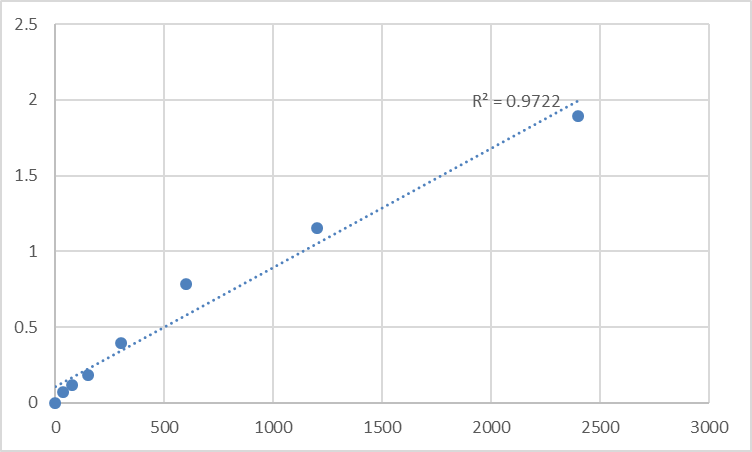
MRE11A: The 215-kDa Scout That Finds Every Broken Chromosome First
If your lab measures DNA double-strand breaks (DSBs) by γH2AX foci and stops there, you're looking at the smoke without measuring the fire department. Every DSB in a human cell triggers a two-second triage: the genome has to sense the break, decide whether to repair it by faithful homologous recombination (HR) or error-prone non-homologous end joining (NHEJ), and then resection/restart the replication fork so the cell doesn't die in S-phase. The protein that initiates that entire sequence — by literally landing on the broken DNA ends first — is MRE11A (MRE11 homolog A), the ~215 kDa core nuclease/scaffold of the MRN complex (MRE11–RAD50–NBS1/NBN) [reference:7].
Abbkine's Human Double-strand break repair protein MRE11A (MRE11A) ELISA Kit (KTE61540) gives you a way to measure this pivotal DDR hub as a calibrated, plate-readable concentration (ng/mL), so your radiation biology, PARPi/ATRi combo, or HR-competence story rests on a number — not a 215 kDa band you hope transferred evenly[reference:8].
Cancer Research: HR Competence and Radiation Response
MRE11A is the gateway to homologous recombination — the high-fidelity repair pathway that determines whether a cancer cell survives radiation or succumbs to it. Cancer researchers use this kit to:
- Quantify MRE11A in tumor tissue lysates and patient plasma
- Study HR competence in BRCA-mutant tumors and PARP inhibitor responses
- Investigate radiation sensitivity and radiotherapy resistance mechanisms
- Monitor MRE11A as a predictive biomarker for DDR-targeted therapies (PARPi, ATRi, DNA-PKci)
The kit's two-site sandwich ELISA platform and isoform-specific antibody design resolve the primary industry challenge of MRE11A detection: a pseudogene on human chromosome 3, alternative splicing variants, and close functional homology with other DDR nucleases — all of which create a high risk of off-target signal in non-validated detection tools[reference:9].
DNA Damage Response (DDR) and Genomic Stability Research
MRE11A is the break sensor that recruits ATM and opens the resection gate. DDR researchers use this kit to:
- Quantify MRE11A in whole cell lysates and chromatin fractions
- Study ATM activation and the DDR phosphorylation cascade
- Investigate resection initiation and RPA/Rad51 loading
- Monitor MRE11A dynamics in cell cycle-dependent responses to DNA damage
High sensitivity ensures detection of even subtle changes in MRE11A expression that drive profound effects on genomic stability[reference:10].
Genetic Disease and Aging Research
Hypomorphic or dominant-negative MRE11A alleles produce an NBS-like (Nijmegen Breakage Syndrome-like) picture: microcephaly, radiosensitivity, immunodeficiency, and massive cancer predisposition. Researchers in genetic disease and aging use this kit to:
- Quantify MRE11A in patient samples with ATLD (Ataxia-Telangiectasia-like disorder)
- Study cellular senescence and accelerated aging phenotypes
- Investigate MRE11A's role in telomere length homeostasis[reference:11]
Why Choose This Kit for Your MRE11A Research?
| Feature | Benefit |
|---|---|
| Two-site sandwich ELISA | Quantitative, specific detection |
| Human-specific monoclonal antibodies | No cross-reactivity with pseudogene products or splice variants |
| Multiple sample types | Serum, plasma, tissue lysates, cell culture supernatants |
| Isoform-specific design | Targets unique, non-conserved epitopes on human MRE11A |
| Complete components | Ready-to-use — pre-coated plate, standards, detection antibodies, all buffers |
Kit Components at a Glance
- Human MRE11A microplate (pre-coated with capture antibody)
- Human MRE11A standard
- Human MRE11A detection antibody (biotin-conjugated)
- Streptavidin-HRP
- Standard diluent, assay buffer, HRP substrate, stop solution, wash buffer, plate covers
🔬 Which research field does your work belong to?
Cancer Research | DNA Damage Response | Genetic Disease | Aging Research | Other
Share your application with us — we'd love to hear how you're using this kit in your studies!
📌 Reference Link: Human Double-strand break repair protein MRE11A (MRE11A) ELISA Kit — KTE61540





