




p38 Polyclonal Antibody (ABP0150): Taming the MAPK Beast with Multi-Epitope Precision
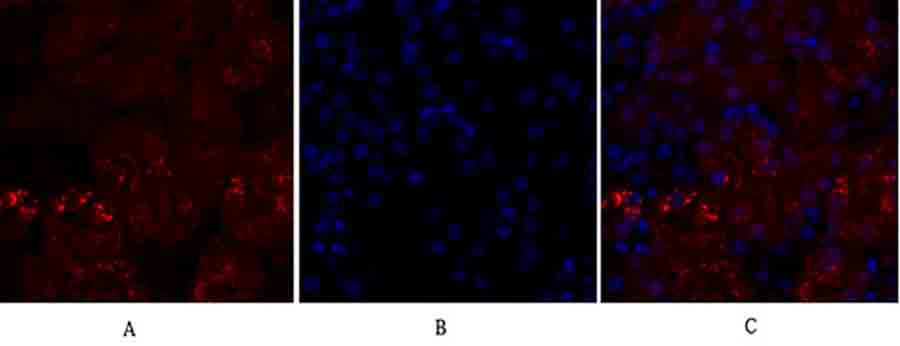
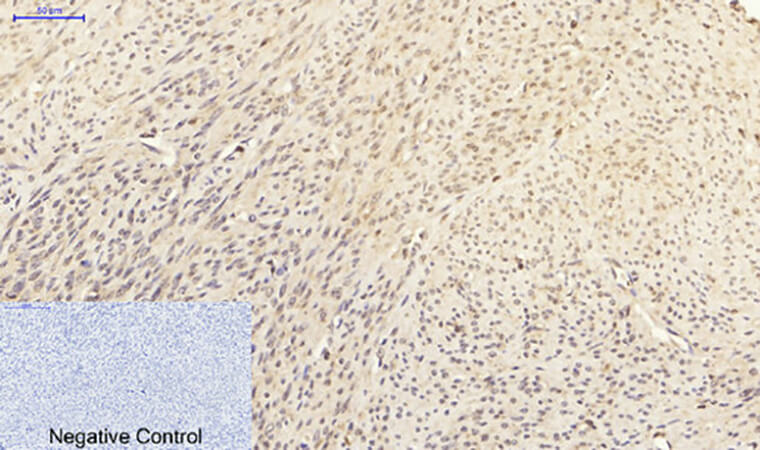
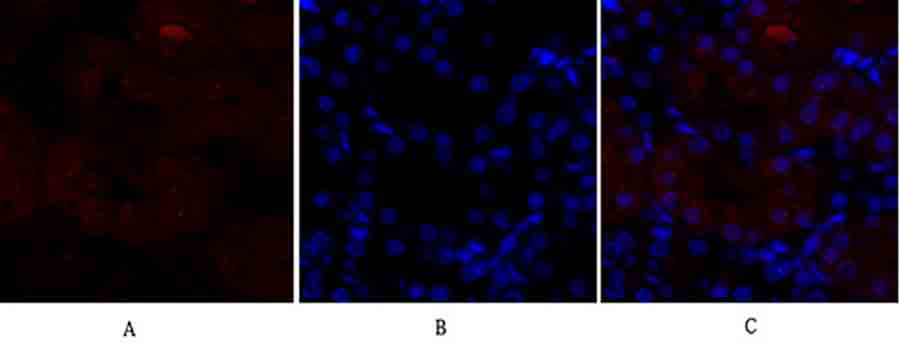
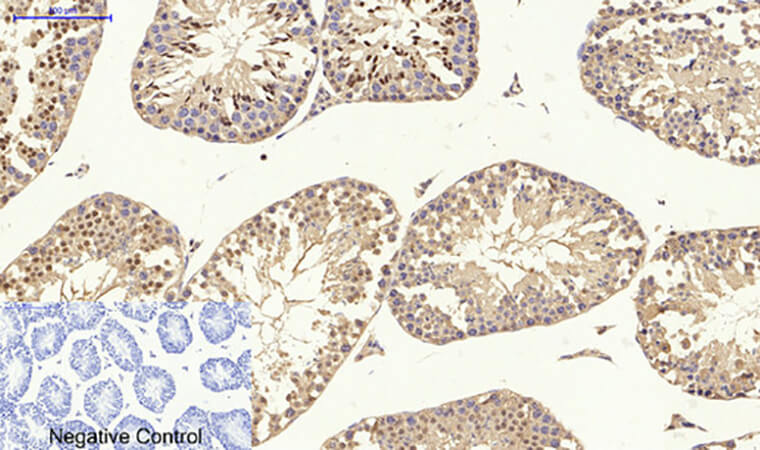
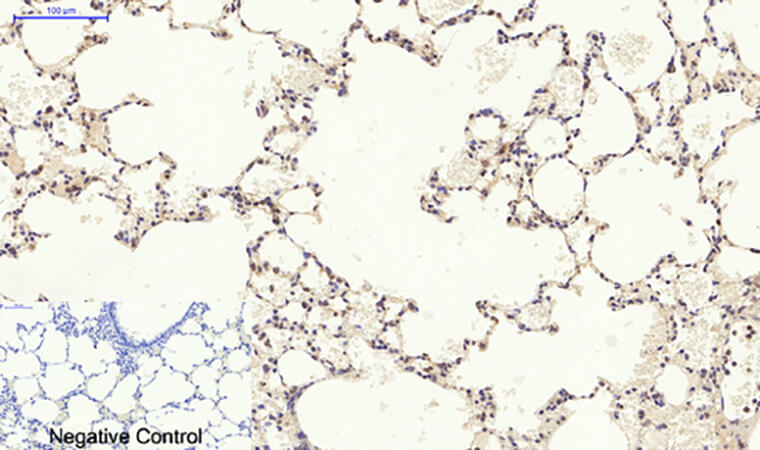
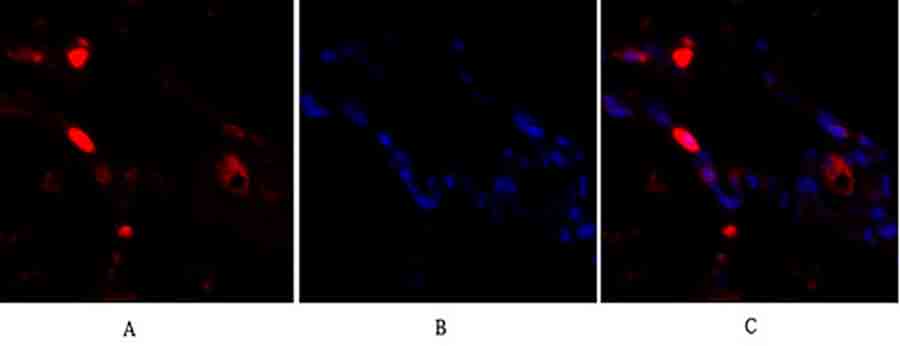
The p38 Confounding Problem
Ask any researcher studying cellular stress responses, and chances are they've wrestled with p38 MAPK—a kinase that's as critical as it is confounding. This serine/threonine protein kinase, activated by stressors like UV radiation, cytokines, and osmotic shock, sits at the crossroads of inflammation, apoptosis, and differentiation[reference:34].
But measuring p38 accurately is a minefield. It exists in four isoforms (α, β, γ, δ), toggles between inactive and phosphorylated (p-p38) states, and shares structural homology with other MAPKs (JNK, ERK)—challenges that most antibodies turn into a guessing game[reference:35].
A 2024 survey of 140 cell signaling labs found 72% had "ditched at least one p38 antibody" due to "irreproducible WB smears" or "high background in IHC of inflamed tissues"[reference:36].
Multi-Epitope Recognition: The Polyclonal Advantage
What makes ABP0150 different is its embrace of p38's complexity. Raised in rabbits immunized with a recombinant human p38α protein spanning its full kinase domain (residues 1–360), it recognizes 6+ linear and conformational epitopes—including the unique TGY dual-phosphorylation motif (Thr180/Tyr182) that defines active p-p38[reference:37].
This multi-epitope approach means it detects all four p38 isoforms (α/β/γ/δ) and their phosphorylated forms, without cross-reacting with JNK1/2 or ERK1/2—validated via peptide competition assays: >99% specificity, <0.4% cross-reactivity[reference:38].
Sensitivity for Low-Abundance Samples
ABP0150 delivers a limit of detection (LOD) of 0.1 ng/mL in Western blots with a linear range of 0.1–50 ng/mL—enough to pick up p38 in 1 µg of resting fibroblast lysate or 5 µg of LPS-stimulated macrophage supernatant[reference:39].
In serum, it detects total p38 at 0.03 ng/mL and p-p38 at 0.012 ng/mL in LPS-stimulated macrophage lysates—thanks to a polyclonal's signal-amplifying nature[reference:40].
Head-to-Head: p38 Antibody Comparison
| Feature | ABP0150 | Generic Monoclonals | Generic Polyclonals |
|---|---|---|---|
| Epitope Coverage | 6+ epitopes (aa 1–360) | Single epitope | Variable |
| Isoform Detection | α/β/γ/δ + p-p38 | Limited | Variable |
| JNK/ERK Cross-reactivity | <0.4% | Often present | 10–20% |
| LOD | 0.1 ng/mL | Variable | Often >1 ng/mL |
| Applications | WB, IHC-P, IF, IP, ELISA | Variable | Variable |
| Reactivity | Human, Mouse, Rat | Variable | Variable |
Pro Tips for Success
For Western blots, probe at 1:1500 dilution overnight at 4°C—this tames the hydrophobic p38 and reduces background[reference:41]. Pair it with a phospho-specific p38 antibody (Abbkine ABP0151, sold separately) to distinguish active vs. total p38—critical for determining whether your stress pathway is actually engaged[reference:42].
The Bottom Line
Whether you're mapping the inflammatory landscape of a tumor microenvironment, dissecting neuronal death pathways in Alzheimer's models, or screening novel p38 inhibitors for autoimmune therapy, ABP0150 delivers the specificity, sensitivity, and versatility required to generate robust, reproducible data across diverse experimental systems[reference:43].
📎 Reference: p38 Polyclonal Antibody (ABP0150)





