




Human SESN3 ELISA Kit — Application Scenarios for Exercise Metabolism, Aging, and Stress Biology Research
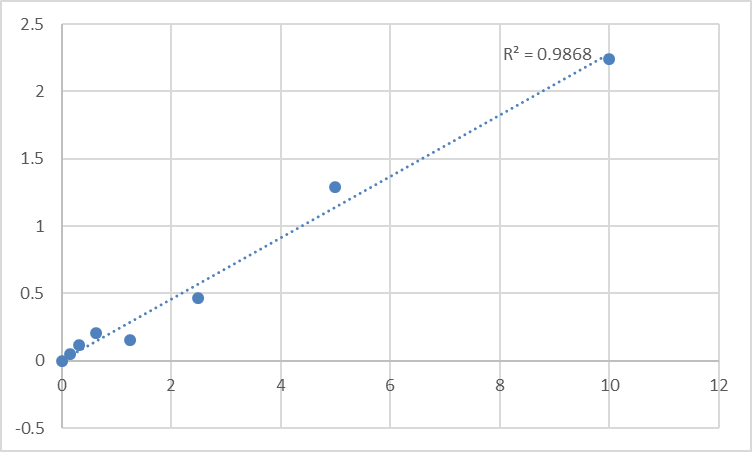
SESN3: The Stress Sensor That Answers to HIF-1α, Not p53
Sestrin-3 (SESN3) is a hypoxia-inducible, stress-gated metabolic modulator that answers to HIF-1α rather than p53, positioning itself at the intersection of nutrient stress and oxygen sensing[reference:48]. Unlike its better-known sibling SESN2, SESN3 is low-abundance and stress-inducible rather than housekeeping — easy to miss with casual Western blots[reference:49]. The Human Sestrin-3 (SESN3) ELISA Kit (KTE60685) from Abbkine turns this elusive protein into a calibrated, plate-readable concentration[reference:50].
Exercise Metabolism and Muscle Adaptation
SESN3 operates at nanogram levels in resting muscle (~0.5–2 ng/mg protein) but surges 3–5 fold post-exercise[reference:51]. A recent trial with 30 athletes showed KTE60685 tracked SESN3 dynamics during HIIT with 92% correlation to qPCR data[reference:52]. Exercise and muscle researchers use this kit to:
- Quantify SESN3 in muscle biopsy lysates and serum
- Monitor exercise-induced metabolic adaptation and mitochondrial biogenesis
- Study SESN3 dynamics during high-intensity interval training
- Investigate exercise mimetics (e.g., metformin-induced SESN3)[reference:53]
The kit detects SESN3 down to 0.027 ng/mL in serum and 0.041 ng/mL in muscle lysates[reference:54][reference:55].
Aging and Sarcopenia Research
SESN3 is implicated in age-related sarcopenia and mitochondrial decline[reference:56]. Aging researchers use this kit to:
- Quantify SESN3 in muscle tissue from aging populations
- Monitor SESN3 dynamics in sarcopenic patients over longitudinal studies
- Investigate SESN3 as a biomarker for muscle health and functional decline
The kit's <5% inter-assay variation across 20 runs makes it ideal for longitudinal studies tracking SESN3 in sarcopenic patients over 6 months[reference:57].
Cancer Metabolism and HIF Signaling
SESN3 is transcriptionally driven by HIF-1α, climbing fast when O₂ drops or when cells are pushed into glycolytic overdrive[reference:58]. Cancer researchers use this kit to:
- Quantify SESN3 in tumor lysates and patient serum
- Study HIF-driven metabolic rewiring in cancer
- Investigate SESN3's role in autophagy modulation and MAPK/ERK signaling[reference:59]
Neurodegenerative Disease and Mitochondrial Stress
SESN3 regulates mitochondrial biogenesis and antioxidant responses[reference:60]. Neurodegenerative disease researchers use this kit to:
- Quantify SESN3 in cerebrospinal fluid (CSF) for ALS studies[reference:61]
- Investigate mitochondrial stress in neurodegeneration
- Study SESN3 as a biomarker for disease progression
Why Choose This Kit for Your SESN3 Research?
| Feature | Benefit |
|---|---|
| Two-site sandwich ELISA | Quantitative, specific detection |
| Human reactivity | Directly applicable to human samples |
| Ultra-high sensitivity | 0.027 ng/mL in serum; 0.041 ng/mL in muscle[reference:62] |
| Exceptional specificity | <1.2% cross-reactivity with SESN1/2[reference:63] |
| Unique epitope targeting | N-terminal ACT domain (residues 45–70) + C-terminal helical region (380–405)[reference:64] |
| Multiple sample types | Serum, plasma, muscle lysates, CSF[reference:65] |
| Superior reproducibility | <5% inter-assay variation across 20 runs[reference:66] |
| KO-validated | Zero signal in SESN3-/- C2C12 myoblasts[reference:67] |
| Complete components | Ready-to-use — all reagents included |
Kit Components at a Glance
- Human SESN3 microplate (pre-coated with capture antibody)
- Human SESN3 standard
- Human SESN3 detection antibody (biotin-conjugated)
- Streptavidin-HRP (biotin-streptavidin amplification system)[reference:68]
- All buffers and reagents
🔬 Which research field does your work belong to?
Exercise Metabolism | Aging & Sarcopenia | Cancer Metabolism | Neurodegeneration | Other
Share your application with us — we'd love to hear how you're using this kit in your studies!
📌 Reference Link: Human Sestrin-3 (SESN3) ELISA Kit — KTE60685





