




Human Protein Wnt-10a (WNT10A) ELISA Kit (KTE60029)
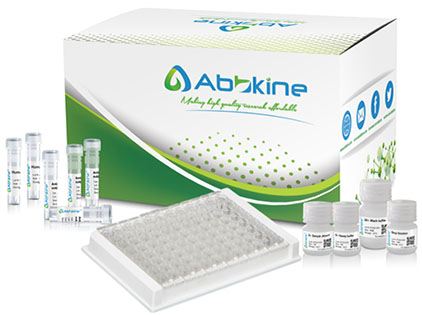
WNT10A: From Tooth Development to Cancer Biomarker
WNT10A is a member of the WNT gene family that plays critical roles in tooth development, hair follicle morphogenesis, and cancer progression. Mutations in WNT10A are associated with odonto-onycho-dermal dysplasia and other developmental disorders.
Abbkine's Human Protein Wnt-10a (WNT10A) ELISA Kit (KTE60029) provides researchers with a reliable tool for quantifying WNT10A in human samples. Here's how it's being applied across research disciplines.
Developmental Genetics: WNT10A in Craniofacial and Ectodermal Development
WNT10A is essential for tooth development, hair follicle formation, and skin patterning. Developmental geneticists use this kit to:
- Quantify WNT10A in dental pulp stem cell cultures
- Monitor WNT10A expression in hair follicle and skin organoid models
- Study WNT10A signaling in craniofacial development
- Validate WNT10A levels in genetic disorder models (odonto-onycho-dermal dysplasia, Schöpf-Schulz-Passarge syndrome)
The sandwich ELISA format enables quantitative detection from serum, plasma, or cell culture supernatants.
Cancer Research: WNT10A in Tumor Progression and Metastasis
WNT10A has been implicated in breast cancer, colorectal cancer, and other malignancies. This kit supports oncology research by enabling:
- Quantification of WNT10A in cancer cell line conditioned media
- Monitoring WNT10A levels in patient plasma/serum as a potential biomarker
- Assessing WNT10A secretion in tumor microenvironment models
- Studying WNT10A's role in epithelial-mesenchymal transition (EMT) and metastasis
High specificity ensures no cross-reactivity with other WNT family members—critical given the close homology within this protein family.
Dermatology and Hair Research
WNT10A is a key regulator of hair follicle cycling and keratinocyte differentiation. Dermatology researchers leverage this kit to:
- Quantify WNT10A in keratinocyte and dermal papilla cell cultures
- Monitor WNT10A levels in skin tissue samples
- Study WNT10A's role in hair growth and regeneration
- Investigate WNT10A dysregulation in skin disorders and alopecia
Stem Cell and Regenerative Medicine
WNT10A signaling influences stem cell maintenance and differentiation. Researchers in regenerative medicine use this kit to:
- Monitor WNT10A secretion in mesenchymal stem cell cultures
- Quantify WNT10A in differentiation protocols (osteogenic, adipogenic, chondrogenic)
- Study WNT10A's role in tissue engineering and regenerative therapies
- Validate WNT10A expression in 3D culture systems
Why Choose This Kit for Your WNT10A Research?
| Feature | Benefit |
|---|---|
| Quantitative sandwich ELISA | Precise, reliable measurement |
| Human-specific reactivity | Directly applicable to human studies |
| Multiple sample compatibility | Serum, plasma, cell culture supernatants |
| No cross-reactivity | Clean data—specific to WNT10A |
| All-in-one kit | 10 components included—ready to use |
| Biotin-streptavidin HRP system | Amplified signal for better sensitivity |
Kit Components
- Human Protein Wnt-10a microplate
- Human Protein Wnt-10a standard
- Human Protein Wnt-10a detect antibody
- Streptavidin-HRP
- Standard diluent, assay buffer, HRP substrate, stop solution, wash buffer, plate covers
📌 Reference Link: Human Protein Wnt-10a (WNT10A) ELISA Kit — KTE60029





