




Human Vitamin D3 (VD3) ELISA Kit: Expert Answers to Common Questions
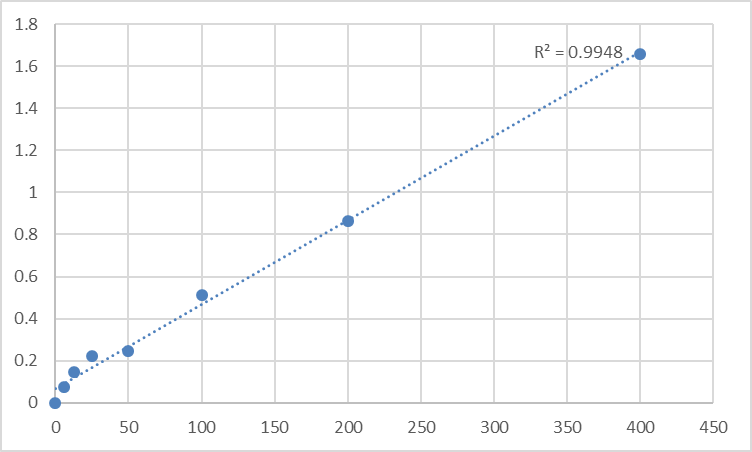
Vitamin D3 (also known as cholecalciferol) is a secosteroid structurally similar to steroids such as testosterone, cholesterol, and cortisol. It plays essential roles in calcium homeostasis, bone health, immune function, and cell proliferation. Vitamin D3 is produced industrially by ultraviolet irradiation of 7-dehydrocholesterol extracted from lanolin—and is naturally synthesized in the skin upon sun exposure.
Abbkine's Human Vitamin D3 (VD3) ELISA Kit (KTE60063) provides researchers with a reliable tool for quantifying this essential hormone in human samples. Here are answers to the most common questions about this kit and vitamin D3 detection.
How does this VD3 ELISA kit work?
This kit employs a two-site sandwich ELISA to quantitate VD3 in samples. A VD3-specific antibody is pre-coated onto a microplate. When you add standards and samples, any VD3 present binds to the immobilized antibody. After washing away unbound substances, a biotin-conjugated antibody specific for VD3 is added. Following another wash, Streptavidin-HRP is added. After a final wash, a substrate solution is added—color develops in proportion to the amount of VD3 bound. The color development is stopped and the intensity is measured. Colorimetric detection allows for standard microplate reader readout.
What sample types can I use with this kit?
The kit is validated for serum, plasma, cell culture supernatants, and other biological fluids. This versatility makes it suitable for clinical research, nutritional studies, and in vitro experiments.
What is the sensitivity and detection range?
While the calibration range and limit of detection are listed as "Please inquire" on the product page, Abbkine's ELISA kits are engineered for high sensitivity and excellent specificity. For specific sensitivity information tailored to your expected concentration range, contact Abbkine's technical support team.
Does this kit cross-react with vitamin D2 or other metabolites?
No significant cross-reactivity or interference between human VD3 and analogues has been observed. This specificity ensures you're measuring VD3 specifically—without interference from vitamin D2 (ergocalciferol) or other vitamin D metabolites.
How should I store and handle the kit?
- Unopened kit: Store at 2–8°C
- Opened kit: Follow protocol-specific storage instructions
- Shipping: Gel pack with blue ice ensures temperature stability
Critical handling tips:
- Allow all reagents to warm to room temperature for at least 30 minutes before opening
- Pre-rinse pipette tips with reagent; use fresh tips for each sample, standard, and reagent
- Mix thoroughly—use a low-frequency oscillator or gentle hand shaking every 10 minutes
- Run samples and standards in duplicate or triplicate
- Keep unused wells desiccated at 4°C in the provided sealed bag
What applications is this kit suitable for?
This kit is designed for research use only—not for human or clinical diagnosis. Applications include:
- Bone metabolism and osteoporosis research
- Endocrinology and hormone studies
- Immunology and autoimmune disease research
- Nutritional studies (dietary intake, supplementation)
- Cancer research (vitamin D's role in cell proliferation)
- Cardiovascular research
- Aging and longevity studies
Why is vitamin D3 quantification challenging?
Vitamin D3 is fat-soluble and present in relatively low concentrations in biological fluids. Its structural similarity to other steroids and vitamin D metabolites requires highly specific detection methods. The sandwich ELISA format with biotin-streptavidin amplification provides the specificity and sensitivity needed for accurate VD3 quantification.
What's included in the kit?
| Component | Included |
|---|---|
| Human Vitamin D3 microplate | ✅ |
| Human Vitamin D3 standard | ✅ |
| Human Vitamin D3 detect antibody | ✅ |
| Streptavidin-HRP | ✅ |
| Standard diluent | ✅ |
| Assay buffer | ✅ |
| HRP substrate | ✅ |
| Stop solution | ✅ |
| Wash buffer | ✅ |
| Plate covers | ✅ |
A complete, ready-to-use kit.
Which species does this kit detect?
This kit is specific to human VD3. It is not validated for mouse, rat, or other species. For non-human vitamin D3 detection, contact Abbkine about other product options.
📌 Reference Link: Human Vitamin D3 (VD3) ELISA Kit — KTE60063





