




Target SULF2 with Confidence: A High-Performance ELISA Kit for Reliable Quantification in Human Samples
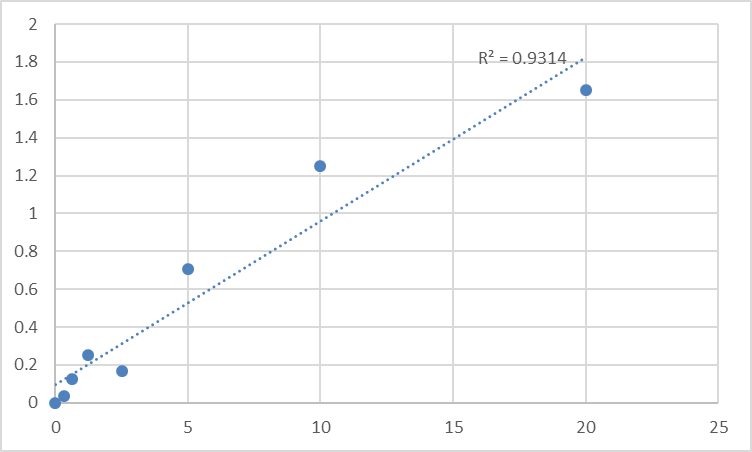
Extracellular sulfatase Sulf-2 (SULF2) has rapidly ascended as a critical regulator of cellular signaling and a compelling therapeutic target in a spectrum of human diseases, most notably cancer. This enzyme operates at the nexus of the cellular microenvironment by selectively editing the sulfation pattern of heparan sulfate proteoglycans (HSPGs) on cell surfaces and within the extracellular matrix . By removing specific 6-O-sulfate groups, SULF2 dynamically modulates the binding affinity of HSPGs for a vast array of signaling molecules, including growth factors (e.g., Wnt, FGF2), morphogens, and cytokines . This regulatory capacity positions SULF2 as a master tuner of critical pathways governing cell proliferation, differentiation, migration, and survival. Consequently, dysregulated SULF2 expression is a hallmark of pathological states; it is frequently upregulated in aggressive cancers such as non-small cell lung carcinoma (NSCLC), pancreatic cancer, hepatocellular carcinoma, and glioblastoma, where it drives tumorigenesis, invasion, and poor prognosis . Beyond oncology, SULF2 plays significant roles in inflammatory arthritis and demyelinating diseases, highlighting its broad impact on human health . To unravel its complex biology and validate its clinical potential, researchers require a robust and precise tool for quantification. The Human Extracellular sulfatase Sulf-2 (SULF2) ELISA Kit (KTE60401) from Abbkine meets this critical need, offering a sensitive, specific, and reproducible sandwich ELISA designed for the accurate measurement of SULF2 in a variety of human biological samples.
SULF2: A Master Regulator at the Cell Surface with Profound Disease Implications
The function of SULF2 extends far beyond simple enzymatic hydrolysis; it acts as a sophisticated editor of the extracellular information landscape. Heparan sulfate proteoglycans are ubiquitous molecules that orchestrate interactions between cells and their environment by binding and presenting signaling ligands to their receptors . The precise sulfation pattern of HS chains dictates these interactions. SULF2, by removing 6-O-sulfates, can either inhibit or potentiate signaling pathways. For instance, it can promote Wnt and BMP signaling—pathways frequently hijacked in cancer—while simultaneously dampening signaling through FGF2 . This dualistic nature makes SULF2 a powerful context-dependent modulator. In cancer, its overexpression reprograms the tumor microenvironment, fostering autocrine growth signaling, enhancing angiogenesis, and promoting metastatic invasion . In inflammatory conditions like arthritis, SULF2 expression in macrophages regulates type I interferon signaling, thereby influencing the balance of pro-inflammatory T cell responses . In the nervous system, it can create an inhibitory niche that impedes remyelination . Therefore, quantifying SULF2 protein levels is not merely an academic exercise but a vital step in diagnosing disease states, understanding molecular mechanisms, assessing therapeutic responses, and discovering novel biomarkers.
Assay Principle: Robust Sandwich ELISA for Specific and Quantitative Detection
The Abbkine Human SULF2 ELISA Kit employs a well-established and highly reliable two-site sandwich immunoassay format, ensuring exceptional specificity and sensitivity for the target analyte. In this setup, a monoclonal antibody specific for human SULF2 is pre-coated onto the wells of a microplate. During the assay, standards or samples containing SULF2 are added, and the antigen binds to the immobilized capture antibody. After a wash step to remove unbound substances, a biotin-conjugated detection antibody, directed against a different epitope on the SULF2 protein, is added to form an antibody-antigen-antibody "sandwich" complex. Following another wash, Streptavidin conjugated to Horseradish Peroxidase (HRP) is introduced, which binds tightly to the biotin on the detection antibody. A final wash removes any unbound enzyme conjugate before adding the TMB (3,3',5,5'-Tetramethylbenzidine) substrate solution. HRP catalyzes the conversion of the colorless TMB into a blue product, which turns yellow upon addition of a stop solution (acid). The intensity of the developed yellow color, measured spectrophotometrically at 450 nm, is directly proportional to the amount of SULF2 captured in the initial step. A standard curve generated from known concentrations of recombinant SULF2 allows for the precise interpolation of SULF2 concentration in unknown samples .
Key Features and Performance Specifications of the Kit
• High Sensitivity and Broad Dynamic Range: The kit demonstrates a minimum detectable dose typically less than 0.188 ng/mL, enabling the detection of low endogenous levels of SULF2 in various sample types. The assay exhibits a wide calibration range from 0.312 ng/mL to 20 ng/mL, accommodating a broad spectrum of sample concentrations without the need for excessive dilution .
• Excellent Specificity and Low Cross-Reactivity: The paired antibody system is highly specific for human SULF2. Rigorous validation shows no significant cross-reactivity or interference with analogues or other common proteins, ensuring that the signal generated is attributable solely to the target protein .
• Superior Precision and Accuracy: The kit delivers outstanding reproducibility with both intra-assay (CV <10%) and inter-assay (CV <12%) precision. Spike-and-recovery experiments in human serum, plasma, and other matrices show average recoveries typically between 97% and 102%, confirming the assay's accuracy and reliability even in complex biological fluids .
• Validated for Multiple Sample Types: This versatile kit is optimized and validated for the quantitative detection of SULF2 in human serum, plasma (EDTA or heparin), cell culture supernatants, tissue homogenates, and other biological fluids, providing flexibility for diverse experimental designs .
• Streamlined and User-Friendly Protocol: The procedure is a straightforward, multiple-step workflow with a total hands-on time of approximately 3-5 hours. All necessary reagents, including pre-coated strips, standards, detection antibodies, and substrates, are provided in ready-to-use or easy-to-prepare formats, ensuring convenience and consistency .
• Multiple Convenient Formats: Available in 48-well, 96-well, and bulk 5-plate or 50-plate configurations (KTE60401-48T, -96T, -96T5, -96T50), the kit caters to the needs of both small-scale pilot studies and large-scale, high-throughput screening projects .
Comprehensive Workflow for Reliable Results
The assay follows a logical and efficient sequence. Researchers begin by preparing serial dilutions of the provided SULF2 standard and their test samples. After bringing all reagents and samples to room temperature, 100 µL of standard or sample is added to the appropriate wells of the antibody-coated microplate and incubated. Following incubation and washing, 100 µL of the biotin-conjugated detection antibody is added to each well. After another incubation and wash cycle, 100 µL of Streptavidin-HRP conjugate is added. Post-incubation and a thorough wash, 90 µL of TMB substrate is added for color development, which is stopped after 10-20 minutes by adding 50 µL of stop solution. The optical density (OD) of each well is immediately read at 450 nm using a standard microplate reader. The mean absorbance for each standard is plotted against its concentration to generate a four-parameter logistic (4-PL) or log-log linear standard curve, from which the concentration of SULF2 in unknown samples is accurately calculated .
Diverse Applications in Cutting-Edge Biomedical Research
- Cancer Biology and Biomarker Discovery: Quantify SULF2 expression in patient serum, plasma, or tumor tissue lysates to investigate its correlation with cancer stage, grade, metastasis, and patient survival. Use it to evaluate SULF2 as a potential diagnostic or prognostic biomarker in NSCLC, pancreatic, liver, and brain cancers .
- Therapeutic Development and Drug Screening: Employ the kit to monitor changes in SULF2 levels in vitro or in vivo in response to experimental therapies, such as small-molecule inhibitors, monoclonal antibodies, or RNA-based therapeutics targeting the SULF2 pathway or its downstream effects.
- Cell Signaling and Molecular Mechanism Studies: Measure SULF2 secretion in cell culture supernatants under different experimental conditions (e.g., hypoxia, cytokine stimulation, gene knockdown/overexpression) to elucidate its regulatory mechanisms and role in modulating Wnt, FGF, BMP, or PDGF signaling pathways .
- Immunology and Inflammation Research: Investigate the role of SULF2 in immune cell function and inflammatory diseases. Analyze its expression in macrophages, T cells, or synovial fluid to understand its contribution to conditions like rheumatoid arthritis and its regulation of cytokine networks .
- Neuroscience and Regenerative Medicine: Study SULF2 dynamics in models of demyelination (e.g., multiple sclerosis) and remyelination to assess its role in creating inhibitory microenvironments and its potential as a target for promoting repair .
An Indispensable Tool for Precision Research
In the pursuit of understanding complex extracellular regulators like SULF2, the quality of the analytical tool dictates the validity of the scientific insights gained. The Abbkine Human Extracellular sulfatase Sulf-2 (SULF2) ELISA Kit (KTE60401) stands out as a rigorously validated, high-performance solution. Its combination of high sensitivity, excellent specificity, and robust performance across multiple sample matrices makes it an essential and reliable asset for any laboratory focused on oncology, immunology, developmental biology, or biomarker research. By providing precise and reproducible quantification of this pivotal enzyme, this kit empowers researchers to confidently explore the multifaceted roles of SULF2 in health and disease, accelerate biomarker validation, and contribute to the development of novel therapeutic strategies.
Product Reference: KTE60401 – Human Extracellular sulfatase Sulf-2 (SULF2) ELISA Kit
Learn more and order: https://www.abbkine.com/product/human-extracellular-sulfatase-sulf-2-sulf2-elisa-kit-kte60401/





