




CD31/PECAM-1 Polyclonal Antibody: Your Essential Key to Unlocking Vascular and Inflammatory Biology
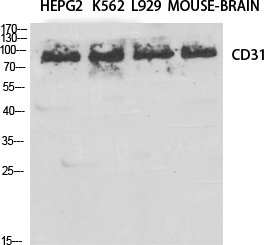
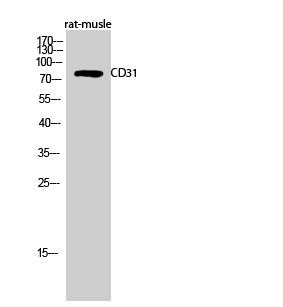
In the intricate landscape of cellular communication and tissue architecture, few molecules are as central to both fundamental physiology and a wide array of diseases as CD31, also known as Platelet Endothelial Cell Adhesion Molecule-1 (PECAM-1). This transmembrane glycoprotein is a cornerstone of the immunoglobulin superfamily, predominantly expressed at the intercellular junctions of endothelial cells that line our entire vascular system. Beyond the endothelium, it is also found on the surface of platelets, monocytes, neutrophils, and specific T-cell subsets. Its primary role as a master regulator of leukocyte transendothelial migration (TEM) places it at the heart of inflammatory responses, immune surveillance, and angiogenesis. Consequently, CD31 is a critical biomarker and research target in fields ranging from vascular biology, atherosclerosis, and cancer metastasis to autoimmune disorders and transplant rejection. To dissect its complex functions, researchers require a reliable and specific detection tool. The CD31 Polyclonal Antibody (ABP50907) from Abbkine is precisely engineered to meet this demand, offering a highly validated, affinity-purified reagent for the sensitive and specific detection of endogenous CD31 protein across multiple experimental platforms, including Western Blot, Immunohistochemistry, Immunofluorescence, and ELISA.
The Multifunctional Role of CD31 in Health and Disease
CD31 operates as a versatile signaling hub and adhesion molecule, orchestrating critical cell-cell interactions that govern vascular integrity and immune cell trafficking. Its structure, featuring six extracellular immunoglobulin-like domains, facilitates both homophilic (CD31-CD31) and heterophilic interactions with partners like CD177. A key mechanistic function is its involvement in the targeted recycling of the Lateral Border Recycling Compartment (LBRC) during inflammation, a process essential for guiding leukocytes between endothelial cells into tissues. Phosphorylation at specific tyrosine residues, such as Tyr-690, is crucial for this activity. Beyond TEM, CD31 mediates endothelial cell adhesion, contributes to angiogenesis, modulates integrin activation, and even plays a role in the phagocytic clearance of apoptotic cells by providing "eat-me" signals. In pathology, altered CD31 expression or function is implicated in atherosclerotic plaque formation, tumor angiogenesis facilitating cancer spread, and the dysregulated inflammation seen in autoimmune conditions. Its consistent expression on vascular endothelium also makes it one of the most trusted and widely used immunohistochemical markers for identifying and quantifying blood vessels (microvessel density) in cancer and other tissues, a standard technique in diagnostic and research pathology.
Antibody Characteristics and Validation Profile
The Abbkine CD31 Polyclonal Antibody (ABP50907) is an unconjugated, affinity-purified antibody generated in rabbit using a synthesized peptide immunogen derived from the human CD31 protein sequence around the non-phosphorylation site of Y713. This careful immunogen design contributes to its high specificity for the target. The antibody is supplied in a liquid formulation containing PBS with 50% glycerol, 0.5% BSA, and 0.09% sodium azide as a preservative, ensuring stability for long-term storage at -20°C. It has been rigorously validated for reactivity with both human and mouse CD31 protein, making it a versatile choice for researchers working with clinical samples, human cell lines, or common mouse models of disease. The calculated molecular weight of the target is approximately 82-85 kDa, and the antibody reliably detects the protein at this expected size in Western Blot analyses.
Optimized Performance Across Key Applications
This antibody is characterized by its robust performance in multiple cornerstone techniques of cell and molecular biology:
• Western Blot (WB): The antibody delivers clear, specific bands at the expected molecular weight with low background noise when used at recommended dilutions between 1:500 to 1:2000. It is effective for detecting CD31 expression in lysates from endothelial cells, platelets, and other expressing cell types.
• Immunohistochemistry (IHC-P): For formalin-fixed, paraffin-embedded (FFPE) tissue sections, this antibody excels at highlighting vascular endothelial cells. Optimal staining is achieved with dilutions ranging from 1:100 to 1:300, following standard antigen retrieval protocols (e.g., using EDTA buffer at high temperature and pressure). It is indispensable for assessing tumor angiogenesis or vascular patterning in tissue samples.
• Immunofluorescence (IF) / Immunocytochemistry (ICC): The antibody is suitable for visualizing the characteristic junctional localization of CD31 on endothelial cells in culture or frozen tissue sections. Recommended working dilutions for IF are between 1:200 to 1:1000.
• Enzyme-Linked Immunosorbent Assay (ELISA): The antibody can be effectively used in sandwich or capture ELISA formats at a recommended dilution of up to 1:20,000 for the detection of soluble or cellular CD31.
Critical Research Applications Enabled by the CD31 Antibody
- Angiogenesis and Cancer Research: Quantify microvessel density (MVD) in tumor sections via IHC to correlate with tumor grade, stage, and patient prognosis. Study the role of CD31 in tumor vasculature formation and normalization.
- Vascular Biology and Atherosclerosis: Investigate endothelial cell junction integrity, activation status, and leukocyte adhesion in models of vascular inflammation, shear stress, or hyperlipidemia.
- Inflammation and Immunology: Elucidate the molecular mechanisms of leukocyte extravasation by studying CD31 phosphorylation, recycling, and its interactions with other adhesion molecules in vitro and in vivo.
- Stem Cell and Developmental Biology: Identify and characterize endothelial progenitor cells (EPCs) or differentiated endothelial cells in stem cell cultures and developing tissues by detecting CD31 surface expression.
- Cardiovascular Disease Models: Assess endothelial damage, repair, and vascular remodeling in mouse models of ischemia-reperfusion injury, hypertension, or heart failure.
- Immunophenotyping by Flow Cytometry (Potential): While not explicitly listed in the core datasheet, polyclonal antibodies to extracellular domains can often be optimized for flow cytometric analysis of CD31 surface expression on leukocyte subsets or cultured endothelial cells.
A Reliable and Specific Partner for Demanding Research
The Abbkine CD31 Polyclonal Antibody (ABP50907) stands out as a dependable, multi-application tool validated for critical techniques in vascular and immunological research. Its production using a defined peptide immunogen ensures specificity, while its validation across WB, IHC, IF, and ELISA provides exceptional experimental flexibility. By offering consistent performance and clear, interpretable results, this antibody empowers scientists to confidently probe the complex roles of CD31 in normal physiology and disease pathogenesis. Whether you are mapping tumor vasculature, dissecting inflammatory pathways, or characterizing endothelial cells, this antibody is a fundamental component of a rigorous research toolkit.
Product Reference: ABP50907 – CD31 Polyclonal Antibody
Learn more and order: https://www.abbkine.com/product/cd31-polyclonal-antibody-abp50907/





