




DRP1: The Mitochondrial Division Dynamo – A Precision Tool for Decoding Cellular Fate and Disease
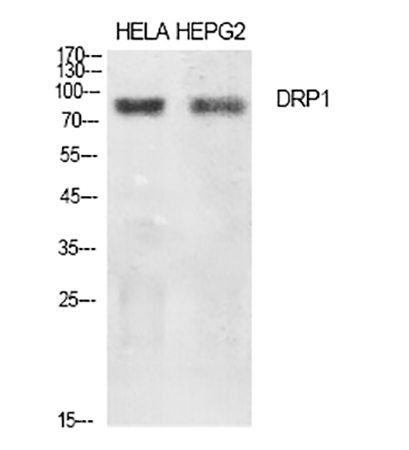
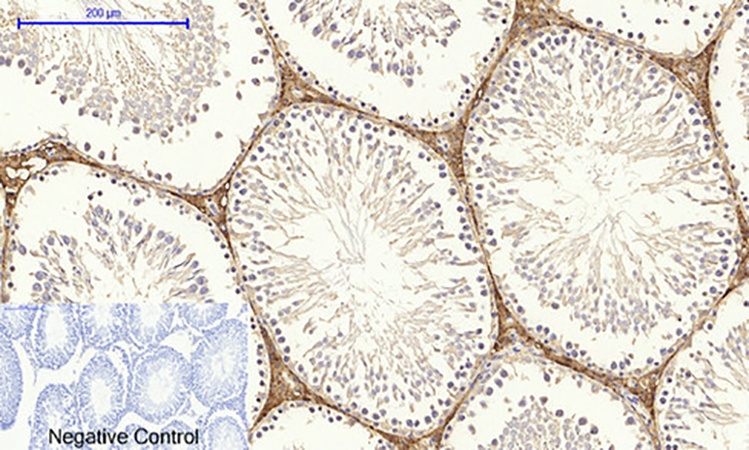
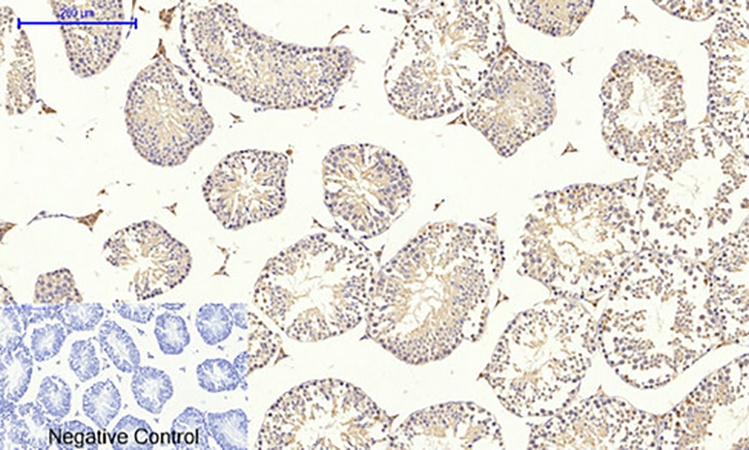
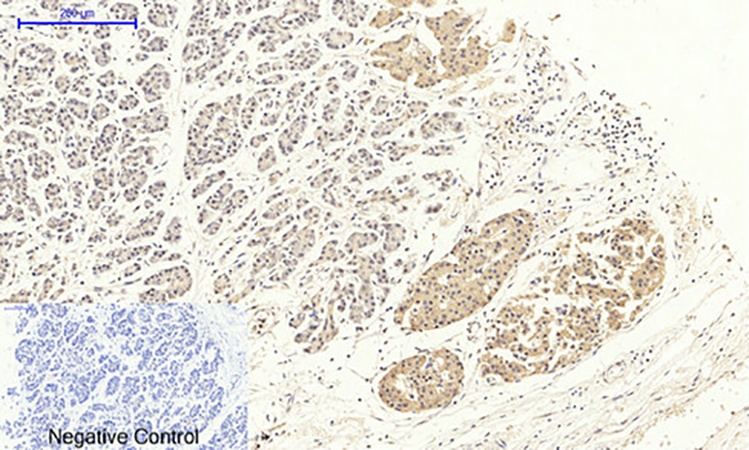
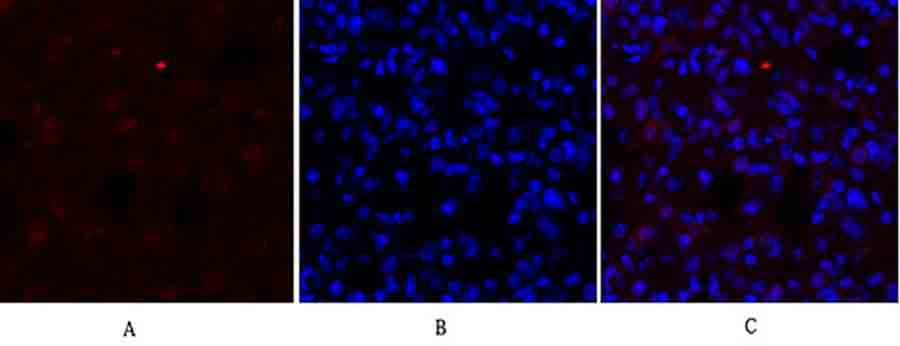
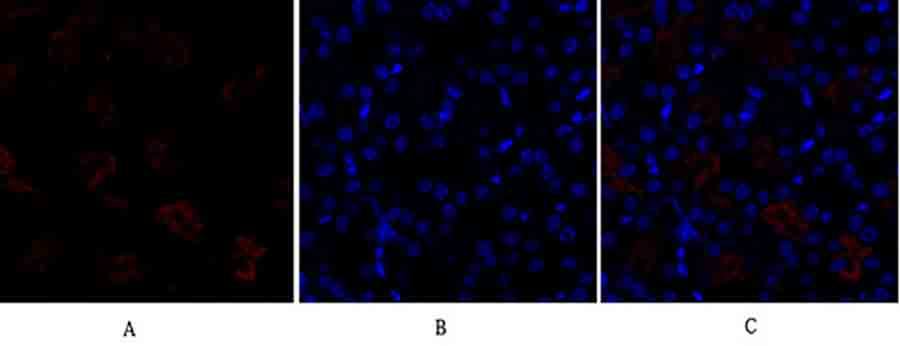
Within every cell, mitochondria are not static power plants but dynamic, ever-changing networks that constantly divide and fuse in a delicate dance essential for life. This process of mitochondrial fission, the controlled splitting of these organelles, is governed by a master regulator: Dynamin-Related Protein 1 (DRP1, also known as DNM1L). As a cytosolic GTPase of the dynamin superfamily, DRP1 is the principal executor of mitochondrial and peroxisomal division. Its function transcends mere organelle morphology; it sits at the crossroads of cellular metabolism, quality control, and programmed cell death. Precise DRP1 activity is crucial for removing damaged mitochondria via mitophagy, distributing mitochondria during cell division, and facilitating apoptosis. Consequently, dysregulation of DRP1 is a hallmark of numerous pathological conditions, including neurodegenerative diseases like Alzheimer's and Parkinson's, cardiovascular disorders, cancer, and metabolic syndromes. To dissect these complex pathways, researchers require a reliable and specific detection tool. The DRP1 Polyclonal Antibody (ABP51203) from Abbkine provides a robust, affinity-purified reagent for the sensitive and specific detection of endogenous DRP1 across multiple experimental platforms, including Western Blot (WB), Immunohistochemistry (IHC-P), and Enzyme-Linked Immunosorbent Assay (ELISA) .
The Central Role of DRP1 in Cellular Physiology and Pathology
DRP1 functions as a molecular constriction machine, orchestrating the final scission of mitochondrial and peroxisomal membranes. Unlike classical dynamins involved in vesicle budding, DRP1 lacks a pleckstrin homology domain but contains a unique B-insert region that interacts with adapter proteins on the outer mitochondrial membrane, such as Mitochondrial Fission Factor (MFF), Mitochondrial Dynamics proteins 49 and 51 (MiD49/51), and Fission 1 (Fis1) . Upon activation, cytosolic DRP1 is recruited to these receptors at predetermined fission sites, often marked by endoplasmic reticulum (ER) tubules. It then oligomerizes into helical structures that wrap around and constrict the organelle. GTP hydrolysis provides the energy for a conformational change that ultimately severs the membrane, producing two daughter organelles . This fission event is critical for several processes: it facilitates the equitable distribution of mitochondria during cell division, enables the isolation of damaged mitochondrial segments for degradation via mitophagy, and can promote the release of pro-apoptotic factors like cytochrome c during programmed cell death . The activity of DRP1 is exquisitely regulated by a myriad of post-translational modifications, most notably phosphorylation. Phosphorylation at Ser616 (by kinases like CDK1, ERK, CaMKII) promotes its mitochondrial translocation and fission activity, while phosphorylation at Ser637 (by PKA) inhibits it . This complex regulation integrates diverse cellular signals, making DRP1 a key sensor and effector of cellular stress, metabolic state, and developmental cues.
Antibody Specifications and Core Features
The Abbkine DRP1 Polyclonal Antibody (ABP51203) is an unconjugated, affinity-purified antibody generated in rabbit. The immunogen is a synthesized peptide derived from the human DRP1 protein sequence around the phosphorylation site of Ser637 . This design allows for the detection of total DRP1 protein, independent of its activation state at this specific site. The antibody exhibits broad cross-reactivity, reliably detecting DRP1 in samples from human, mouse, and rat origins, making it suitable for a wide range of experimental models from cell lines to animal tissues . It is supplied as a liquid solution in PBS containing 50% glycerol, 0.5% BSA, and 0.02% sodium azide as a preservative, ensuring stability during long-term storage at -20°C. The recommended working dilutions, determined experimentally, provide a practical starting point for researchers: WB: 1:500 – 1:2000; IHC-P: 1:100 – 1:300; ELISA: 1:10,000 .
Validated Performance for Demanding Applications
This antibody has been validated for high performance in several key techniques essential for cell biology and pathology research:
• Western Blotting: Delivers a clear, specific band at the expected molecular weight of approximately 82-85 kDa for human DRP1, with minimal background when used within the suggested dilution range. This allows for accurate assessment of DRP1 expression levels across different cell types or under various treatment conditions.
• Immunohistochemistry (Paraffin-Embedded Tissues): Effectively stains DRP1 in formalin-fixed, paraffin-embedded (FFPE) tissue sections. Optimal results are achieved with antigen retrieval methods. This application is invaluable for visualizing the subcellular localization of DRP1 in complex tissue architectures and for correlating its expression patterns with disease states in clinical samples.
• Enzyme-Linked Immunosorbent Assay (ELISA): The antibody can be used in sandwich or capture ELISA formats at high dilutions (up to 1:10,000) for the sensitive quantification of DRP1 protein levels in cell lysates, tissue homogenates, or potentially biological fluids, enabling precise quantitative analysis.
Diverse Research Applications Across Biomedical Fields
- Neurodegenerative Disease Research: Investigate the role of dysregulated DRP1 activity and mitochondrial fragmentation in models of Alzheimer's disease, Parkinson's disease, and Huntington's disease. The antibody can be used to measure DRP1 expression, localization, and potential aggregation in neuronal cells and brain tissues .
- Cancer Biology: Explore how cancer cells hijack mitochondrial dynamics. Use the antibody to study DRP1 overexpression or hyperactivation in various tumors, which is often linked to enhanced proliferation, metabolic reprogramming (e.g., increased glycolysis and oxidative phosphorylation), and resistance to apoptosis .
- Cardiovascular Research: Examine the contribution of excessive mitochondrial fission mediated by DRP1 to the pathogenesis of conditions like cardiac hypertrophy, heart failure, ischemia-reperfusion injury, and pulmonary arterial hypertension. The antibody aids in assessing DRP1 levels and activation in cardiac tissues .
- Metabolic Disorders: Study the connection between DRP1, mitochondrial dynamics, and insulin resistance in models of obesity, type 2 diabetes, and non-alcoholic fatty liver disease (NAFLD). Altered fission can impact lipid metabolism and ROS production.
- Cell Death and Autophagy Studies: Probe the dual role of DRP1 in apoptosis and mitophagy. The antibody is crucial for monitoring DRP1 translocation to mitochondria during apoptotic stimuli and for understanding how fission facilitates the clearance of damaged organelles.
- Developmental Biology and Basic Cell Biology: Utilize the antibody to visualize and quantify DRP1 dynamics during cell division, differentiation, and in response to metabolic stressors, providing fundamental insights into how mitochondrial morphology supports cellular function.
An Indispensable Reagent for Mitochondrial Dynamics Research
Understanding the precise mechanisms of mitochondrial fission and its implications for health and disease hinges on the availability of specific, high-quality detection tools. The Abbkine DRP1 Polyclonal Antibody (ABP51203) meets this need by offering researchers a versatile, well-validated reagent for the consistent detection of DRP1. Its broad species reactivity, compatibility with multiple core techniques (WB, IHC-P, ELISA), and specificity for total DRP1 make it an essential component of the molecular toolkit for anyone studying mitochondrial biology, cellular stress responses, or the pathophysiology of a wide spectrum of diseases. By enabling precise tracking of this pivotal fission protein, this antibody empowers scientists to unravel the complex signaling networks that control cellular energetics and fate.
Product Reference: ABP51203 – DRP1 Polyclonal Antibody
Learn more and order: https://www.abbkine.com/product/drp1-polyclonal-antibody-abp51203/





