




Navigating the Low-Oxygen Landscape: Your Essential Tool with the HIF-1α Polyclonal Antibody
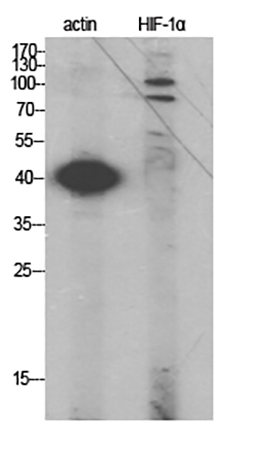
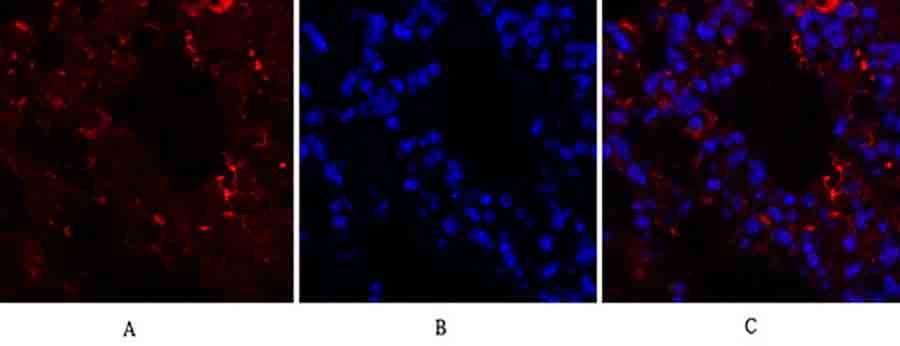
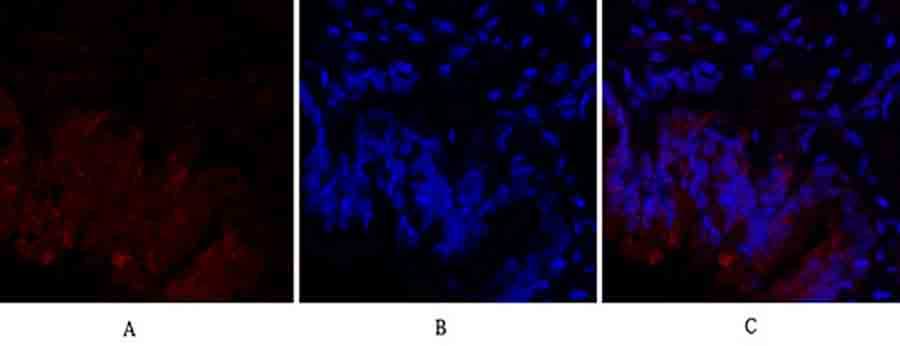
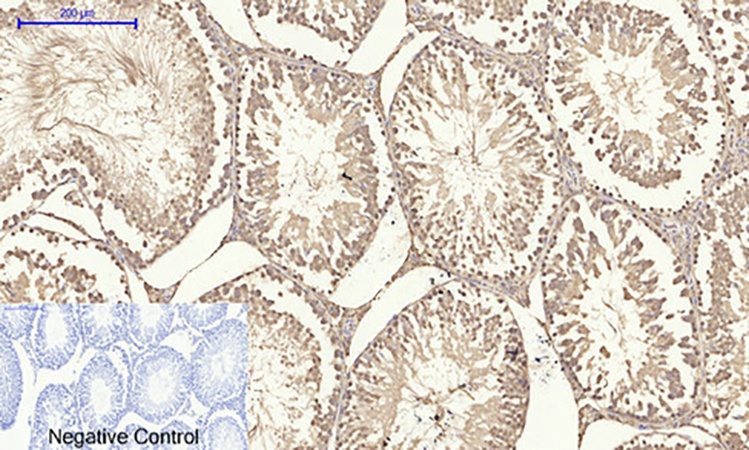
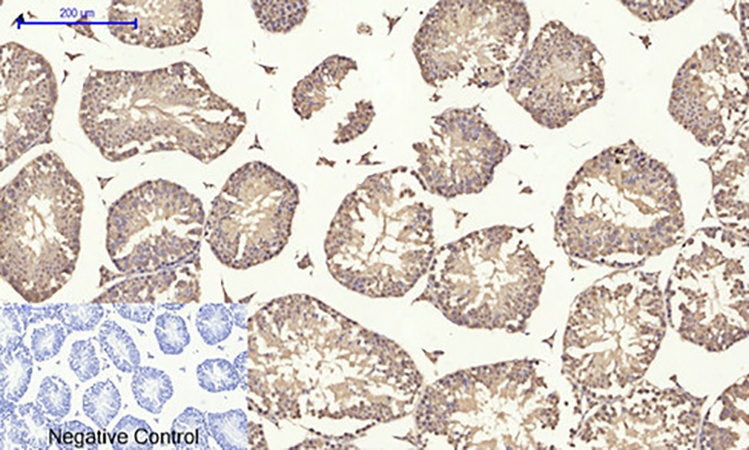
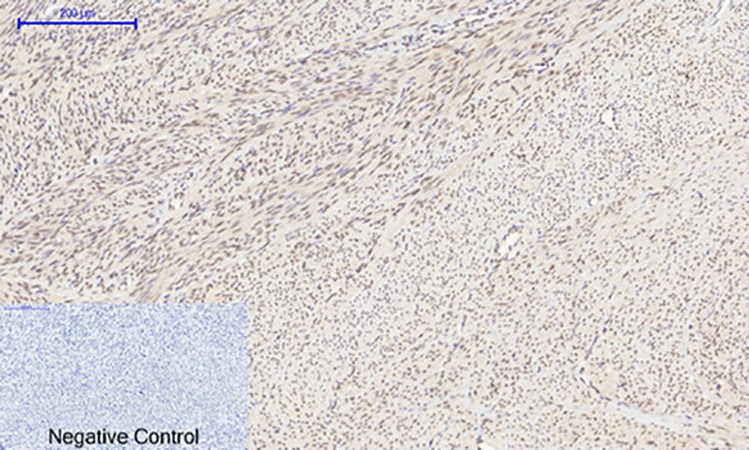
When cells face the critical challenge of low oxygen, a master transcriptional regulator takes command: Hypoxia-Inducible Factor 1-alpha (HIF-1α). This protein is the central sensor and mediator of cellular adaptation to hypoxia, orchestrating the expression of hundreds of genes involved in angiogenesis, erythropoiesis, glucose metabolism, and cell survival. Under normal oxygen conditions, HIF-1α is rapidly targeted for degradation. However, in hypoxia—a common feature of solid tumors, ischemic diseases, and inflammatory conditions—it stabilizes, translocates to the nucleus, and drives a transcriptional program that promotes survival in harsh environments. In cancer, this response is hijacked, allowing tumors to grow, invade, and metastasize. Consequently, HIF-1α is a major therapeutic target and a critical biomarker in oncology, cardiology, and neurology research. Studying its expression, localization, and activity is therefore fundamental. The HIF-1α Polyclonal Antibody (ABP51513) from Abbkine is a highly validated, versatile immunological tool designed to deliver specific and reliable detection of this pivotal protein across multiple applications, empowering researchers to decode the cellular response to hypoxia.
HIF-1α: The Master Conductor of the Hypoxic Response
HIF-1α functions as the inducible, oxygen-sensitive subunit of the HIF-1 heterodimeric transcription factor. Under normoxic conditions, prolyl hydroxylase enzymes modify HIF-1α, marking it for recognition by the von Hippel-Lindau (VHL) E3 ubiquitin ligase complex, leading to its rapid proteasomal degradation. When oxygen levels drop, hydroxylation ceases, HIF-1α protein accumulates, dimerizes with its constitutive partner HIF-1β (ARNT), and recruits transcriptional co-activators to Hypoxia-Response Elements (HREs) in target gene promoters. This activates pathways for new blood vessel formation (VEGF), enhanced glucose uptake (GLUT1), and a shift to anaerobic metabolism, collectively enabling cells to survive and function in low-oxygen conditions. In diseases like cancer, persistent HIF-1α activation, even in the presence of oxygen (pseudohypoxia), drives tumor aggressiveness, treatment resistance, and poor patient prognosis.
The Critical Need for a High-Performance HIF-1α Antibody
Accurately tracking HIF-1α is technically challenging but essential, requiring an antibody of exceptional specificity and affinity. HIF-1α expression is transient and tightly regulated at the protein stability level. Its detection often involves studying subtle changes in response to hypoxia mimetics (like CoCl₂ or DMOG) or under varying oxygen tensions (e.g., in hypoxia chambers). Many commercial antibodies suffer from cross-reactivity with closely related isoforms like HIF-2α (EPAS1) or yield high non-specific backgrounds, compromising data integrity. A well-validated polyclonal antibody, such as Abbkine's ABP51513, offers a powerful solution. Polyclonal antibodies, raised against a specific immunogen from HIF-1α, recognize multiple epitopes, which can enhance sensitivity for detecting the target protein even at low expression levels and in various experimental conditions, including immunohistochemistry on archived tissue samples.
Product Profile: Abbkine HIF-1α Polyclonal Antibody (ABP51513)
The Abbkine HIF-1α Polyclonal Antibody is a rigorously validated reagent designed for robustness and reproducibility in hypoxia research. This antibody is typically produced by immunizing hosts with a synthetic peptide or recombinant protein corresponding to a specific region of the human HIF-1α protein. The resulting antiserum is affinity-purified to enhance specificity. Key features that make it a reliable choice include its broad application suitability—it is typically validated for use in Western Blotting (WB), Immunohistochemistry (IHC), Immunofluorescence (IF), and Enzyme-Linked Immunosorbent Assay (ELISA). Crucially, it is often tested to show minimal cross-reactivity with HIF-2α, ensuring that the signal observed is specific to the HIF-1α isoform. Researchers can expect clear, specific bands at the expected molecular weight (~120 kDa, though it can appear as a doublet or at slightly varying weights due to modifications) in Western blots, and precise nuclear localization in immunostaining experiments under hypoxic conditions.
Key Applications in Cutting-Edge Biomedical Research
- Cancer Biology & Oncology: Investigate HIF-1α expression and nuclear localization in tumor tissue microarrays (TMAs) by IHC to correlate its levels with tumor stage, grade, vascularity, and patient survival outcomes. Use it in Western blot to assess HIF-1α stabilization in cancer cell lines treated with chemotherapy, radiotherapy, or novel anti-angiogenic drugs to study mechanisms of resistance.
- Ischemic Disease Research: Study HIF-1α activation in models of myocardial infarction, stroke, or peripheral artery disease to understand the endogenous protective response and identify therapeutic windows for enhancing ischemic preconditioning.
- Stem Cell Biology & Regenerative Medicine: Monitor HIF-1α dynamics in stem cell niches (e.g., hematopoietic, mesenchymal) where low oxygen tension (physiological hypoxia) maintains stemness, using IF or IHC to visualize its spatial expression.
- Drug Discovery & Screening: Employ the antibody in Western Blot or cellular ELISA formats as a key pharmacodynamic biomarker in screens for novel HIF-1α inhibitors (e.g., PHD activators, HIF-1α translation blockers) aimed at cutting off the tumor's adaptive machinery.
- Inflammatory & Immune Response Research: Explore the role of HIF-1α in immune cells like macrophages and T cells under inflammatory, often hypoxic, conditions such as in rheumatoid arthritis or infected tissues, where it regulates inflammatory cytokine production and cellular metabolism.
- Fundamental Cell Signaling Studies: Decipher the cross-talk between HIF-1α and other major signaling pathways (e.g., PI3K/Akt/mTOR, MAPK) by assessing its expression and post-translational modifications under various genetic or pharmacological perturbations.
A Trusted Companion for Hypoxia-Focused Discovery
The Abbkine HIF-1α Polyclonal Antibody (ABP51513) is more than just a reagent; it is a foundational tool for any laboratory exploring the cellular and physiological adaptations to low oxygen. Its robust validation across multiple platforms provides researchers with the confidence needed to generate reliable, publication-quality data. Whether you are mapping the hypoxic landscape of a tumor, unraveling the protective response in a stroke model, or screening for the next generation of targeted therapeutics, this antibody offers the specificity and performance required to illuminate the critical role of HIF-1α in health and disease. By enabling precise detection, it helps turn the cellular challenge of hypoxia into a clear path for discovery.
Product Reference: ABP51513 – HIF-1α Polyclonal Antibody
Learn more and order: https://www.abbkine.com/product/hif-1%ce%b1-polyclonal-antibody-abp51513/ (Note: This link is constructed based on the product code ABP51513 and brand provided. The original user-provided link failed to parse.)





