




NOS2: Capturing the Inflammatory Firestorm with a Precision Polyclonal Antibody
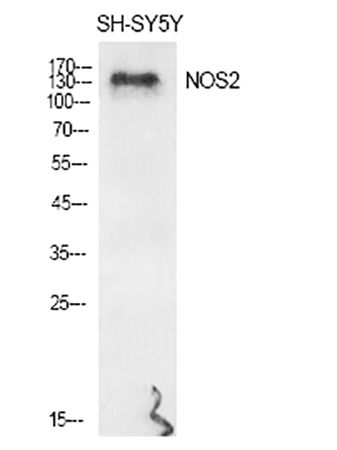
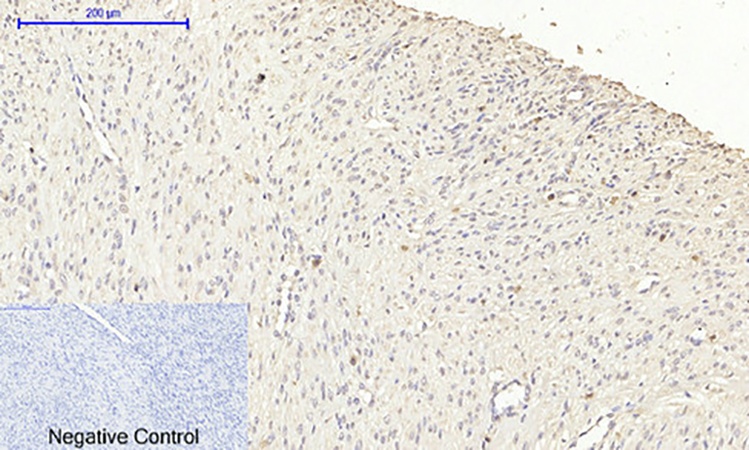
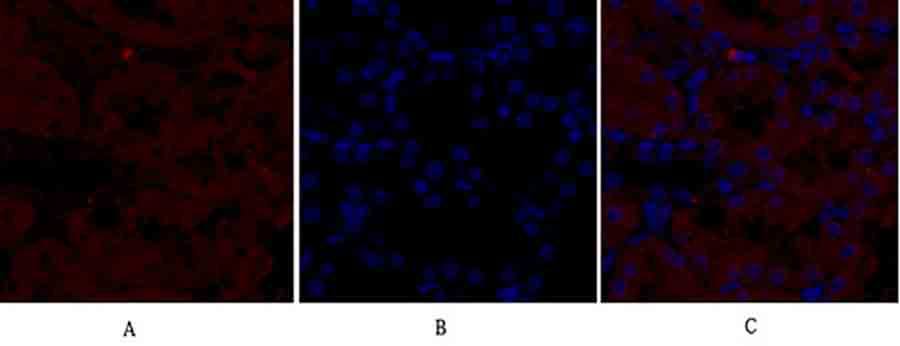
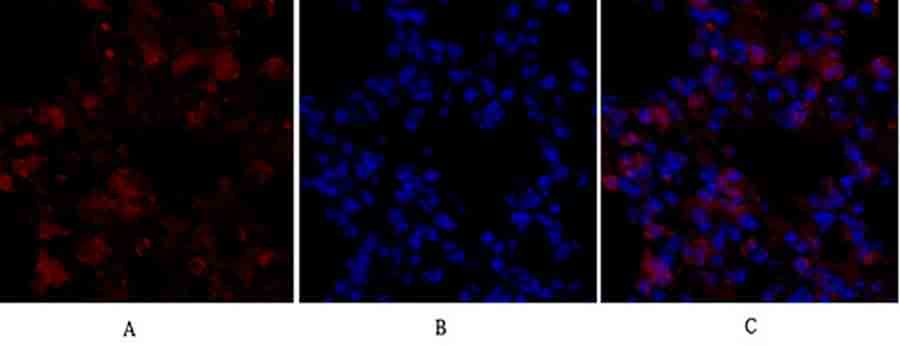
Inflammation, a double-edged sword in human health, is orchestrated by a complex cast of molecular actors. One of the most potent is Nitric Oxide Synthase 2 (NOS2), also known as inducible NOS (iNOS). Unlike its constitutive counterparts (neuronal nNOS and endothelial eNOS), NOS2 is not constantly active. Instead, it is rapidly induced in immune cells like macrophages in response to inflammatory signals such as lipopolysaccharide (LPS) and cytokines like interferon-gamma (IFN-γ). Once expressed, it produces large, sustained amounts of nitric oxide (NO), a key cytotoxic agent in the host defense against pathogens. However, this powerful defense mechanism, when dysregulated, becomes a driver of tissue damage in a vast array of chronic inflammatory and autoimmune diseases, including rheumatoid arthritis, inflammatory bowel disease, and sepsis. In cancer, NOS2 has a paradoxical role, contributing to both tumoricidal activity and tumor progression. Therefore, precisely detecting and localizing NOS2 expression is critical for understanding the dynamics of inflammation, immunity, and disease pathogenesis. The NOS2 Polyclonal Antibody (ABP51974) from Abbkine is a highly validated, specific immunological tool engineered for the reliable detection of this inducible enzyme across multiple experimental platforms, empowering researchers to map the inflammatory landscape with confidence.
The Molecular Powerhouse: NOS2 in Immunity and Pathology
NOS2 functions as a homodimer, converting L-arginine to L-citrulline and producing the free radical gas nitric oxide (NO). Its induction is primarily regulated at the transcriptional level, with its promoter containing response elements for NF-κB, STATs, and other pro-inflammatory transcription factors. The high-output NO produced by NOS2 acts as a signaling molecule and an effector, capable of inhibiting pathogen replication, inducing apoptosis in target cells, and modulating vascular tone. In pathology, chronic NOS2 expression is a hallmark of ongoing inflammation. The resulting sustained NO flux can cause DNA damage, protein nitrosylation, and lipid peroxidation, directly contributing to tissue injury. Furthermore, NO can react with superoxide to form peroxynitrite, an even more potent oxidant. Consequently, tracking NOS2 protein levels and localization provides a direct readout of inflammatory activation and its potential for collateral damage, making it a prime target for mechanistic studies and therapeutic intervention.
The Critical Need for a Specific and Sensitive NOS2 Antibody
Accurately detecting NOS2 presents unique challenges that demand a high-fidelity antibody. Its expression is typically low or absent in resting cells and surges upon stimulation, requiring an antibody sensitive enough to detect this induction. Furthermore, it shares homology with other NOS isoforms (NOS1 and NOS3), making cross-reactivity a common pitfall that can lead to misleading data, especially in tissues like the brain or endothelium where multiple isoforms coexist. A well-validated polyclonal antibody, such as Abbkine's ABP51974, offers significant advantages. Raised against a specific immunogen (often a unique peptide sequence from NOS2), a high-quality polyclonal preparation contains a mixture of antibodies recognizing multiple epitopes. This polyclonal nature can enhance sensitivity for detecting the target protein, which is particularly valuable for immunohistochemistry (IHC) on formalin-fixed, paraffin-embedded (FFPE) tissue sections where antigen retrieval is critical, or for capturing NOS2 in complex biological samples where protein integrity may vary.
Product Profile: Abbkine NOS2 Polyclonal Antibody (ABP51974)
The Abbkine NOS2 Polyclonal Antibody is a rigorously validated reagent designed for robustness and reproducibility in inflammation research. This antibody is produced by immunizing hosts with a synthetic peptide derived from the human NOS2 protein sequence, and the resulting antiserum is affinity-purified to enrich for specific antibodies. It is extensively validated for key applications including Western Blotting (WB), Immunohistochemistry (IHC), Immunofluorescence (IF), and Enzyme-Linked Immunosorbent Assay (ELISA). Crucially, it demonstrates high specificity for NOS2 with minimal cross-reactivity with NOS1 or NOS3. In Western Blot, researchers can expect a clear, specific band at the expected molecular weight of approximately 130 kDa. In IHC/IF applications, it provides strong, specific staining in the cytoplasm of NOS2-expressing cells, such as activated macrophages in inflamed tissues or cytokine-stimulated cell lines, with low background noise, enabling clear visualization of inflammatory foci.
Key Applications in Biomedical and Immunological Research
- Inflammatory & Autoimmune Disease Research: Use in IHC to map NOS2 expression in tissue sections from rheumatoid arthritis synovium, inflamed gut in IBD models, or atherosclerotic plaques. Correlate its expression patterns with disease severity and inflammatory cell infiltration.
- Neuroinflammation and Neurodegeneration: Investigate the role of NOS2 in activated microglia and astrocytes in models of multiple sclerosis, Alzheimer's disease, or Parkinson's disease using immunofluorescence, linking its expression to neuronal damage and disease progression.
- Tumor Immunology and Cancer Biology: Analyze NOS2 expression within the tumor microenvironment by IHC. Determine if it is expressed by tumor-associated macrophages (TAMs) or the cancer cells themselves, and study its dual role in promoting anti-tumor immunity versus facilitating tumor growth, angiogenesis, and metastasis.
- Infectious Disease and Immunology: Study NOS2 induction in macrophages and other immune cells in response to bacterial (e.g., Mycobacterium tuberculosis), viral, or parasitic infections using Western Blot or flow cytometry (indirect), elucidating its role in pathogen control and immunopathology.
- Drug Discovery and Screening: Employ the antibody in Western Blot or cellular ELISA as a key pharmacodynamic biomarker in screens for novel NOS2 inhibitors. Test the efficacy of anti-inflammatory compounds, natural products, or signaling pathway inhibitors in downregulating NOS2 expression in stimulated cell models.
- Fundamental Immunology and Signaling: Decipher the signaling pathways leading to NOS2 induction (e.g., TLR/MyD88/NF-κB, JAK/STAT) by assessing protein levels in genetically modified or pharmacologically treated immune cells under various stimulatory conditions.
A Definitive Tool for Illuminating Inflammatory Pathways
The Abbkine NOS2 Polyclonal Antibody (ABP51974) is an indispensable reagent for any laboratory delving into the mechanisms of inflammation, immunity, and associated diseases. Its robust validation across multiple critical platforms provides researchers with a reliable tool to generate precise, publication-quality data on the expression and localization of this major inflammatory effector. Whether you are characterizing the immune landscape of a diseased tissue, unraveling the signaling cascades that trigger the "NO burst," or validating the target engagement of a novel therapeutic, this antibody offers the specificity and performance needed to confidently track the inflammatory firestorm mediated by NOS2. It transforms a key molecular marker of inflammation from a concept into a clearly detectable signal, paving the way for deeper insights and discoveries.
Product Reference: ABP51974 – NOS2 Polyclonal Antibody
Learn more and order: https://www.abbkine.com/product/nos2-polyclonal-antibody-abp51974/





