




PPAR-γ: The Master Regulator of Metabolism Unlocked with a High-Fidelity Polyclonal Antibody
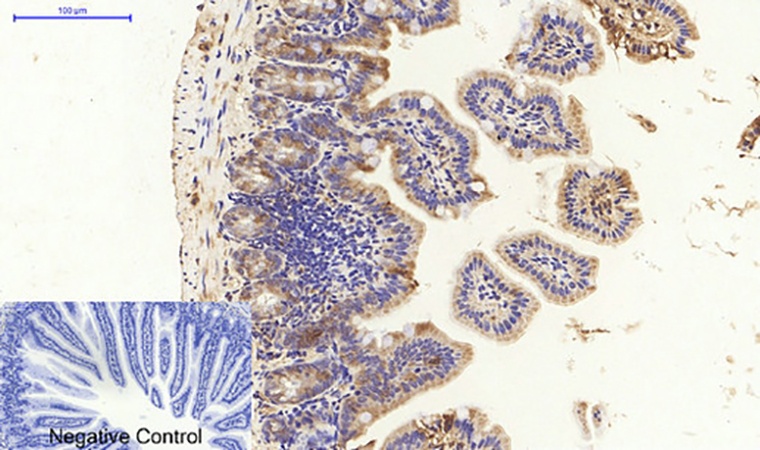
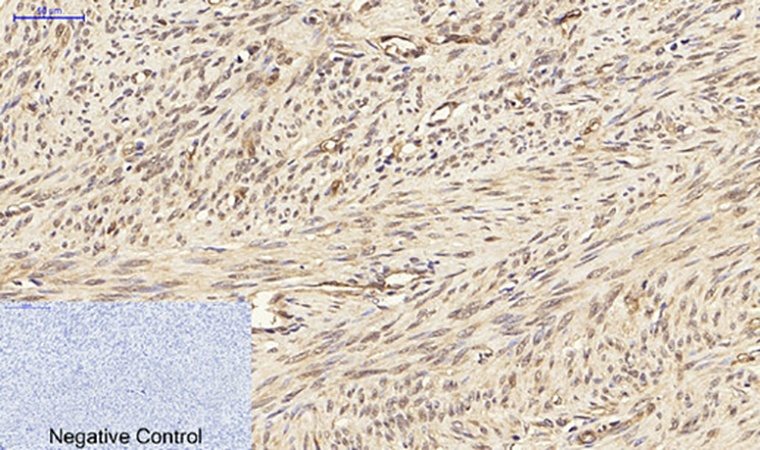
In the intricate orchestra of human metabolism, a few transcription factors act as master conductors, and Peroxisome Proliferator-Activated Receptor Gamma (PPAR-γ) stands out as a preeminent director of fat cell development, glucose homeostasis, and immune modulation. Primarily expressed in adipose tissue, PPAR-γ is the central regulator of adipogenesis, driving the differentiation of preadipocytes into mature fat cells and controlling the storage of lipids. Beyond its role in fat biology, it is a key sensor for fatty acids and derivatives, and its activation enhances insulin sensitivity, making it a critical therapeutic target for type 2 diabetes, as evidenced by the thiazolidinedione class of drugs. Furthermore, PPAR-γ is expressed in macrophages and other immune cells, where it exerts potent anti-inflammatory effects. Its dysregulation is implicated in metabolic syndrome, atherosclerosis, and even cancer. Therefore, accurately detecting and studying PPAR-γ expression, localization, and activation status is fundamental to metabolic disease research, drug discovery, and developmental biology. The PPAR-γ Polyclonal Antibody (ABP52252) from Abbkine is a highly validated, versatile immunological tool engineered for specific and reliable detection of this pivotal nuclear receptor across multiple applications, empowering researchers to decode the complex signaling networks governing metabolic health.
PPAR-γ: More Than Just a Fat Switch
PPAR-γ functions as a ligand-activated transcription factor, forming a heterodimer with the retinoid X receptor (RXR) and binding to specific DNA sequences to regulate gene expression. Upon binding its ligands—which include dietary fatty acids, prostaglandin derivatives, and synthetic drugs like rosiglitazone—PPAR-γ undergoes a conformational change, recruits co-activators, and initiates a transcriptional program that promotes lipid storage, adipokine secretion, and insulin sensitization. In macrophages, its activation promotes an anti-inflammatory, "M2-like" phenotype. The critical nature of PPAR-γ is underscored by the fact that its complete knockout in mice is embryonically lethal, and dominant-negative mutations in humans cause severe insulin resistance and diabetes. In research, tracking its protein levels, nuclear translocation, and post-translational modifications (like phosphorylation) provides crucial insights into metabolic states and cellular differentiation.
Why a Specific and Sensitive PPAR-γ Antibody is Non-Negotiable
Precise detection of PPAR-γ presents distinct technical challenges that necessitate a superior antibody. Its expression varies dramatically between tissues (high in fat, lower in others) and changes during differentiation, requiring an antibody sensitive enough to detect it across a wide dynamic range. Furthermore, the PPAR family includes other isoforms (PPAR-α and PPAR-δ/β) that share structural homology, making cross-reactivity a common issue that can compromise data integrity. A well-validated polyclonal antibody, such as Abbkine's ABP52252, offers significant advantages. Raised against a specific immunogen (often a unique peptide sequence from human PPAR-γ), a high-quality polyclonal preparation contains antibodies recognizing multiple epitopes. This polyclonal nature often enhances sensitivity for detecting the target protein, which is particularly valuable for applications like immunohistochemistry (IHC) on formalin-fixed tissues or for capturing PPAR-γ in complex samples, and can improve detection of the protein even if one epitope is masked.
Product Profile: Abbkine PPAR-γ Polyclonal Antibody (ABP52252)
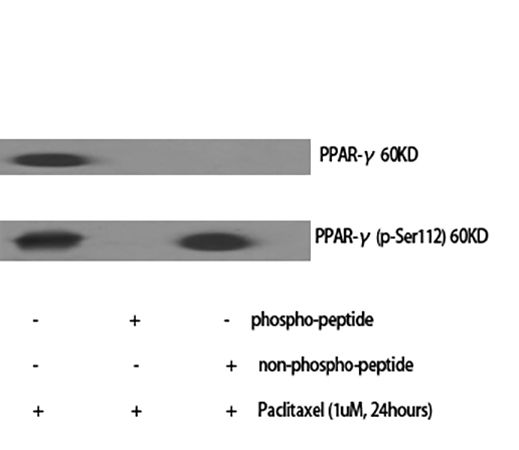
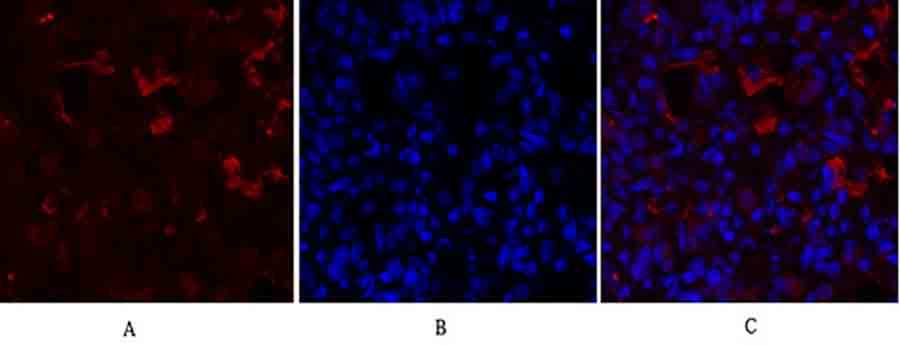
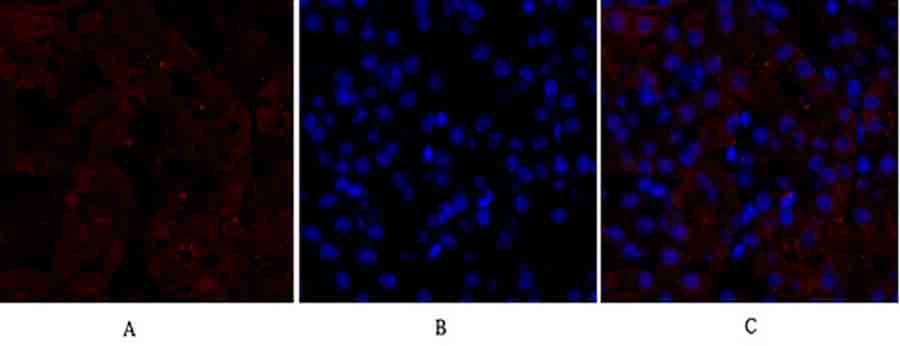
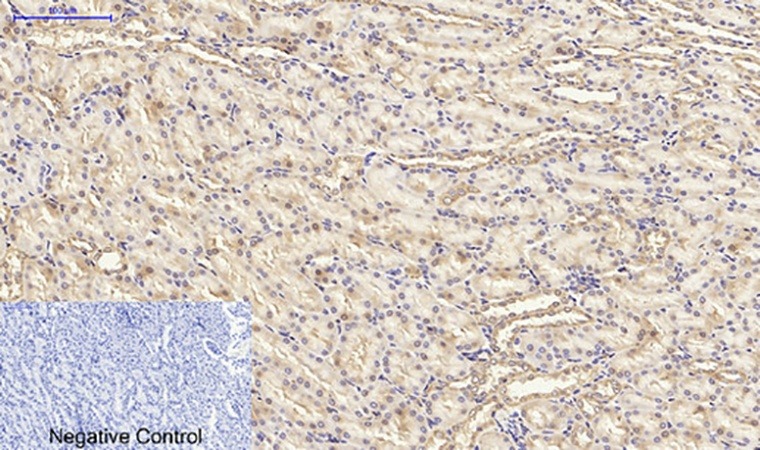
The Abbkine PPAR-γ Polyclonal Antibody is a rigorously validated reagent designed for consistent performance in demanding research settings. This antibody is produced by immunizing hosts with a synthetic peptide corresponding to a specific region of the human PPAR-γ protein, and the resulting antiserum is affinity-purified to enrich for specific antibodies. It is typically validated for use in Western Blotting (WB), Immunohistochemistry (IHC), Immunofluorescence (IF), Immunoprecipitation (IP), and Enzyme-Linked Immunosorbent Assay (ELISA). A key feature is its high specificity, with minimal cross-reactivity with other PPAR isoforms. In Western Blot, researchers can expect a clear, specific band at the expected molecular weight of approximately 57 kDa (for PPAR-γ1) and ~54 kDa (for the adipose-specific PPAR-γ2 isoform). In IHC/IF applications, it provides strong, specific nuclear staining in adipocytes and other positive cell types, with low background, enabling clear visualization of expression patterns in tissue architecture.
Key Applications in Cutting-Edge Metabolic and Disease Research
- Adipocyte Biology & Obesity Research: Utilize in Western Blot and IF to monitor PPAR-γ expression during the differentiation of preadipocytes (like 3T3-L1 cells) into mature adipocytes. Study its regulation by nutrients, hormones, and potential anti-obesity compounds.
- Diabetes & Insulin Sensitivity Studies: Investigate PPAR-γ expression and subcellular localization in muscle, liver, and adipose tissue from diabetic animal models (e.g., db/db mice) or insulin-resistant cell models to understand its role in disease pathophysiology and response to insulin-sensitizing drugs.
- Cancer Metabolism Research: Analyze PPAR-γ expression in tumors such as liposarcomas, colon, and breast cancers via IHC. Explore its context-dependent roles, which can be tumor-suppressive in some cancers but pro-tumorigenic in others, by correlating its levels with clinical outcomes.
- Atherosclerosis & Vascular Biology: Study the anti-inflammatory role of PPAR-γ in macrophage foam cells within atherosclerotic plaques using IHC/IF. Investigate how its activation influences lipid uptake, inflammation, and plaque stability.
- Drug Discovery & Screening: Employ the antibody in cellular assays (WB, IF, ELISA) as a key pharmacodynamic readout for screening novel PPAR-γ agonists, modulators (SPPARγMs), or antagonists. Assess compound efficacy on target expression, nuclear translocation, or degradation.
- Stem Cell & Developmental Biology: Monitor PPAR-γ as a definitive marker for adipogenic differentiation in mesenchymal stem cells (MSCs) or pluripotent stem cell (iPSC) differentiation protocols, using it to confirm successful lineage specification.
An Indispensable Key to Metabolic Research
The Abbkine PPAR-γ Polyclonal Antibody (ABP52252) is more than a simple detection reagent; it is a foundational tool for any laboratory dedicated to unraveling the complexities of metabolism, diabetes, and cellular differentiation. Its robust validation across multiple critical platforms provides researchers with the confidence to generate reliable, publication-quality data on this master regulator. Whether you are profiling adipogenesis, deciphering insulin signaling pathways, characterizing the tumor microenvironment, or screening for the next generation of metabolic therapeutics, this antibody offers the specificity, sensitivity, and versatility required to illuminate the pivotal functions of PPAR-γ. It transforms a key transcriptional regulator from a concept into a clearly detectable and quantifiable research asset.
Product Reference: ABP52252 – PPAR-γ Polyclonal Antibody
Learn more and order: https://www.abbkine.com/product/ppar-%ce%b3-polyclonal-antibody-abp52252/





