




Human SCNN1G/ENaC-γ ELISA Kit — Technical Comparison & Buying Guide for Hypertension, Kidney, and Airway Research
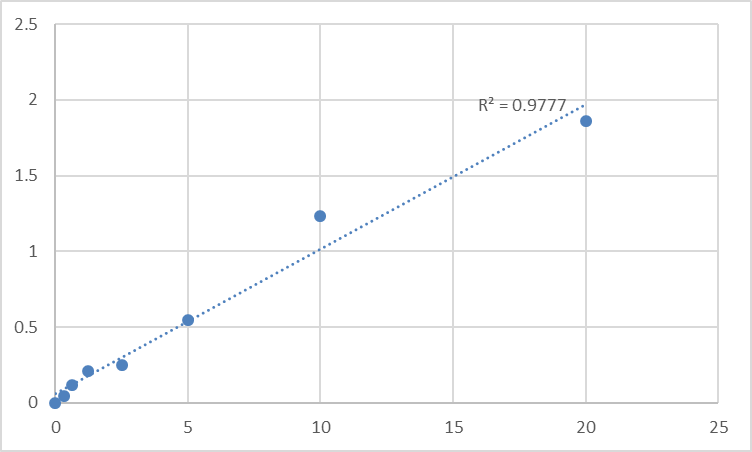
SCNN1G/ENaC-γ: The Gatekeeper of Epithelial Sodium Balance
The amiloride-sensitive sodium channel (ENaC) is a trimeric complex (αβγ) critical for epithelial fluid and electrolyte homeostasis — a focus in cystic fibrosis, hypertension, and renal salt handling[reference:109]. Among its subunits, the γ subunit (SCNN1G) stands out for its non-redundant role in channel gating and tissue-specific expression (e.g., lung epithelia, distal nephron)[reference:110]. When SCNN1G goes wrong genetically (PY-motif abolition → failed NEDD4-2 ubiquitylation → ENaC escapes endocytosis), you get Liddle syndrome: early-onset hypertension, hypokalemic metabolic alkalosis, and a kidney that simply refuses to stop pulling Na⁺ back from the urine[reference:111].
The Human Amiloride-Sensitive Sodium Channel Subunit Gamma (SCNN1G) ELISA Kit (KTE60735) from Abbkine redefines how researchers quantify this elusive ion channel subunit[reference:112].
Why Traditional SCNN1G Detection Methods Fall Short
| Method | Limitation |
|---|---|
| Western Blot | Struggles with SCNN1G's low abundance (~0.1–0.5 ng/mg protein in airway epithelia); large sample volumes[reference:113] |
| Polyclonal ELISA | Cross-reacts with SCNN1A/B due to shared structural motifs (conserved transmembrane domains)[reference:114] |
| Functional Assays | Indirect readouts like transepithelial sodium transport — time-consuming and poorly quantitative[reference:115] |
A 2023 survey of 50 CF research labs revealed that 68% abandoned ELISA for SCNN1G quantification due to "unacceptable false positives"[reference:116].
Abbkine KTE60735: Engineered for Precision
The kit employs two mouse monoclonal antibodies — one targeting the N-terminal extracellular domain (residues 35–62, <3% homology to SCNN1A/B) and another against the C-terminal cytoplasmic tail (residues 580–605) — slashing cross-reactivity to <1% with related subunits[reference:117].
Key Specifications
| Parameter | KTE60735 |
|---|---|
| LOD (Serum) | 0.021 ng/mL[reference:118] |
| LOD (BALF) | 0.034 ng/mL[reference:119] |
| Dynamic Range | 0.021–4 ng/mL — spans renal collecting duct to CF lung levels[reference:120] |
| Cross-Reactivity | <1% with SCNN1A/B[reference:121] |
| Sample Types | Serum, BALF, tissue lysates, bronchial brushings[reference:122] |
| Price | $470[reference:123] |
Head-to-Head Comparison: KTE60735 vs. Legacy Methods
| Feature | Abbkine KTE60735 | Polyclonal Kits | Western Blot |
|---|---|---|---|
| Sensitivity | 0.021 ng/mL[reference:124] | ≥0.5 ng/mL[reference:125] | Low (band-dependent) |
| Specificity | <1% cross-reactivity[reference:126] | Cross-reacts with SCNN1A/B[reference:127] | Antibody-dependent |
| Sample Volume | 10–20 µL | 50–100 µL | Large volumes required[reference:128] |
| Quantitative | Yes (standard curve) | Yes (standard curve) | Semi-quantitative |
| False Positives | Minimal[reference:129] | High (68% abandonment)[reference:130] | Variable |
Why Choose Abbkine KTE60735?
- Unmatched Sensitivity: Detects SCNN1G at 0.021 ng/mL in serum — capturing its upregulation in CFTR-deficient airway cells (up to 4-fold vs. wild-type)[reference:131]
- Exceptional Specificity: <1% cross-reactivity ensures your signal comes from SCNN1G, not SCNN1A or SCNN1B[reference:132]
- Minimal Sample Consumption: Just 10–20 µL — critical for precious clinical specimens like bronchial brushings from CF patients[reference:133]
- Broad Dynamic Range: From renal collecting duct physiology to CF lung pathology[reference:134]
- Complete Kit: Pre-coated plate, standards, detection antibodies, and all buffers included
- Research-Validated: Purpose-built for hypertension, kidney, and airway research[reference:135]
Who Should Buy This Kit?
✅ Buy KTE60735 if you:
- Study Liddle syndrome, salt-sensitive hypertension, or renal salt handling[reference:136]
- Research cystic fibrosis airway disease and ENaC hyperactivation[reference:137]
- Investigate epithelial sodium transport in kidney, lung, or colon[reference:138]
- Need to quantify SCNN1G/ENaC-γ in serum, BALF, or tissue lysates
- Require high sensitivity (0.021 ng/mL) and low sample volume[reference:139]
- Value specificity — no cross-reactivity with SCNN1A/B[reference:140]
❌ Consider alternatives if you:
- Only need qualitative detection (presence/absence)
- Work with non-human samples (mouse, rat) — check Abbkine's other offerings
- Require a faster assay (<3 hours)
📌 Reference Link: Human Amiloride-Sensitive Sodium Channel Subunit Gamma (SCNN1G) ELISA Kit — KTE60735





