




Triglycerides Unveiled: The Essential ELISA for Metabolic Syndrome and Cardiovascular Research
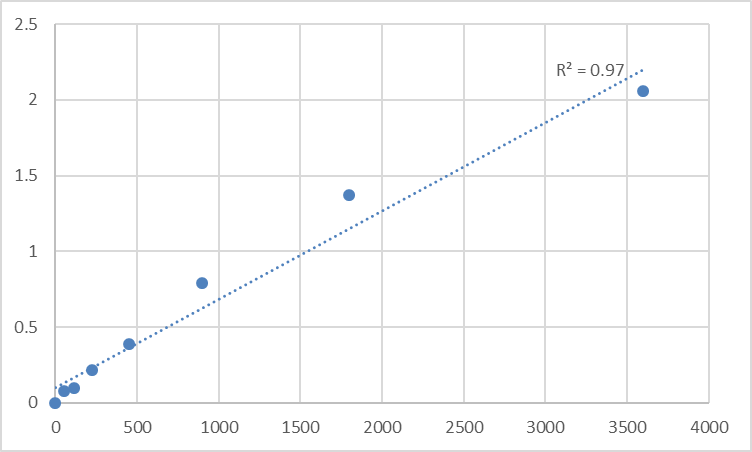
Triglycerides, the primary form of stored energy in the human body, are far more than just inert fat deposits; they are dynamic molecules at the crossroads of metabolism, nutrition, and cardiovascular disease. As a core component of the lipid profile, circulating triglyceride (TG) levels serve as a critical biomarker for metabolic health. Elevated serum triglycerides are a hallmark of metabolic syndrome, a key risk factor for atherosclerosis, pancreatitis, and a major contributor to cardiovascular disease, the leading cause of mortality worldwide. Beyond diagnostics, precise measurement of triglycerides is fundamental for research into lipid metabolism, the efficacy of lipid-lowering drugs, nutritional interventions, and the pathophysiology of disorders like hypertriglyceridemia and non-alcoholic fatty liver disease (NAFLD). The Human Triglyceride (TG) ELISA Kit (KTE60506) from Abbkine provides researchers with a highly sensitive, specific, and robust tool for the accurate quantification of triglyceride concentrations in human serum, plasma, and other biological samples, enabling precise insights into metabolic status and disease mechanisms.
The Central Role of Triglycerides in Health and Disease
Triglycerides function as the body's main energy reservoir, but their dysregulation poses significant health risks. Synthesized in the liver and intestine and stored in adipose tissue, triglycerides are transported in the bloodstream within lipoproteins like chylomicrons and VLDL. While essential for energy homeostasis, chronically elevated levels (hypertriglyceridemia) promote a pro-inflammatory, pro-thrombotic state, contribute to the formation of atherogenic lipoproteins, and are intimately linked with insulin resistance. Accurate measurement is therefore not just a diagnostic necessity but a cornerstone for understanding the complex interplay between diet, genetics, and metabolic disease.
The Imperative for Accurate and Specific TG Quantification in Research
Moving beyond automated clinical chemistry analyzers, a dedicated ELISA offers distinct advantages for research applications. While enzymatic colorimetric assays are standard in clinics, a well-validated ELISA kit provides enhanced specificity by utilizing antibodies that recognize triglyceride molecules or their components, minimizing interference from other serum constituents. This specificity is crucial for complex sample matrices, novel biological fluids, or when studying the effects of drugs or compounds that might interfere with enzymatic reactions. Furthermore, ELISA formats are ideal for medium-throughput screening in research settings, offering excellent reproducibility and the ability to precisely quantify TG across a wide dynamic range in various sample types.
Assay Principle: Leveraging Antibody Specificity for Precision
The Abbkine Human Triglyceride ELISA Kit employs a sensitive and specific immunoassay format designed for accurate detection. The principle involves the enzymatic hydrolysis of triglycerides in the sample to glycerol and free fatty acids. The generated glycerol is then quantified through a series of enzymatic reactions that ultimately produce a colored product, with the intensity of color measured spectrophotometrically being directly proportional to the triglyceride concentration in the original sample. This method, often coupled with high-affinity capture steps, ensures minimal cross-reactivity and high accuracy, even in samples with complex backgrounds.
Key Features and Performance Specifications
Engineered for reliability and ease of use in the research laboratory, this TG ELISA Kit delivers consistent performance:
• High Sensitivity and Broad Dynamic Range: Capable of detecting physiological and pathological levels of triglycerides across a wide concentration range, suitable for both normal and hyperlipidemic samples.
• Excellent Specificity: The assay demonstrates high specificity for triglycerides, with minimal interference from other similar lipids or serum components, ensuring accurate measurement.
• Superior Reproducibility: The kit exhibits low intra-assay and inter-assay coefficients of variation (CV), guaranteeing consistent and reliable results across replicates and different experimental runs.
• Ready-to-Use Convenience: All necessary reagents, including standards, buffers, and detection solutions, are provided in optimized, ready-to-use formats, streamlining the workflow and reducing preparation time.
• Validated for Key Sample Types: The kit is specifically validated for the quantitative determination of triglyceride concentrations in human serum, plasma, and cell culture supernatants, making it applicable for both clinical research and in vitro metabolic studies.
• Straightforward Protocol: A user-friendly procedure allows for the efficient processing of multiple samples in a single run, facilitating high-throughput screening applications.
Diverse Applications in Biomedical and Nutritional Research
- Cardiovascular and Metabolic Disease Research: Investigate serum/plasma TG levels in patient cohorts with metabolic syndrome, diabetes, or cardiovascular disease to correlate with disease severity, progression, and response to therapeutic interventions like statins or fibrates.
- Nutritional Science and Lipid Metabolism Studies: Measure changes in circulating TG in response to different dietary regimens (e.g., high-fat diets, fasting, omega-3 supplementation) in human studies or animal models to understand dietary impacts on lipid homeostasis.
- Drug Discovery and Development: Utilize the kit as a key pharmacodynamic endpoint in preclinical and clinical studies for novel lipid-lowering agents, evaluating their efficacy in reducing triglyceride levels.
- Hepatic Function and NAFLD Research: Quantify TG accumulation in cell-based models of hepatosteatosis or measure serum TG in models of non-alcoholic fatty liver disease (NAFLD) to study disease mechanisms and potential treatments.
- Genetic and Molecular Biology Studies: Assess TG levels in genetically modified animal models (e.g., knockouts of lipoprotein lipase or apolipoproteins) to validate phenotypes and understand gene function in lipid metabolism.
- Biomarker Validation Studies: Precisely measure TG as part of a panel of metabolic biomarkers in large-scale epidemiological or cohort studies aimed at identifying new risk predictors for metabolic disorders.
A Foundational Tool for Precision Metabolic Analysis
The Human Triglyceride (TG) ELISA Kit from Abbkine is an indispensable asset for any laboratory dedicated to unraveling the complexities of lipid biology and metabolic disease. By providing a reliable, specific, and quantitative method for measuring this crucial metabolic parameter, the kit empowers researchers to generate high-quality data that can illuminate the role of triglycerides in health and disease. From basic research into lipid pathways to applied studies in drug development and nutrition, this assay delivers the precision and reproducibility required to advance our understanding of one of the most critical biomarkers in modern medicine.
Product Reference: KTE60506 – Human Triglyceride (TG) ELISA Kit
Learn more and order: https://www.abbkine.com/product/human-triglyceride-tg-elisa-kit-kte60506/





