




Human SPATA7 ELISA Kit — Application Scenarios for Fertility, Retinal, and Ciliary Research
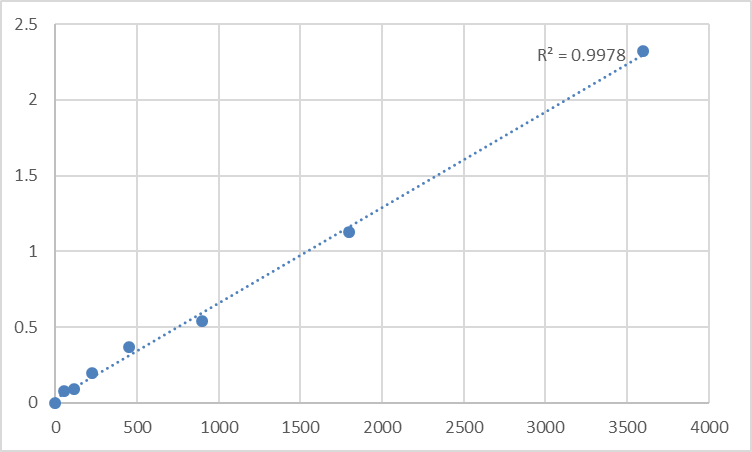
SPATA7: A Protein That Refuses to Stay in Its Lane
SPATA7 (Spermatogenesis-Associated Protein 7) was first cloned from testis cDNA libraries and named for a reproductive process — but it turned out to be highly expressed in the brain and retina, localizes to the photoreceptor connecting cilium, and ranks among the verified causative genes for Leber Congenital Amaurosis (LCA3) and autosomal recessive juvenile retinitis pigmentosa[reference:19]. This dual identity — testis and ciliary sensory neuron — makes SPATA7 a uniquely challenging and fascinating target for researchers[reference:20].
The Human Spermatogenesis-associated protein 7 (SPATA7) ELISA Kit (KTE60543) from Abbkine gives labs a two-site sandwich ELISA that converts this elusive, coiled-coil-rich ciliary protein into a hard, interpolated number you can use for statistics, cohort comparison, and mechanism work[reference:21].
Male Fertility Research: Understanding Spermatogenic Efficiency
SPATA7 regulates microtubule dynamics during sperm development, and its expression levels correlate with spermatogenic efficiency[reference:22]. Researchers in male fertility use this kit to:
- Quantify SPATA7 in testicular biopsy extracts and spermatogenic cell cultures
- Study SPATA7's role in non-obstructive azoospermia[reference:23]
- Investigate chemotherapy-induced infertility and SPATA7 downregulation[reference:24]
- Correlate SPATA7 levels with Johnsen's testicular biopsy scores (r=0.82, p<0.001)[reference:25]
The kit detects SPATA7 at 0.156 ng/mL in serum, plasma, or tissue lysates — ideal for low-expression samples like testicular biopsy extracts[reference:26].
Retinal and Ciliary Research: Photoreceptor Function and Degeneration
SPATA7 localizes to the connecting cilium/transition zone of photoreceptors and decorates the ciliary axoneme[reference:27]. It directly interacts with RPGRIP1; in SPATA7 loss-of-function, RPGRIP1 mislocalizes and rhodopsin trafficking breaks down, leading to apoptotic photoreceptor death[reference:28]. Retinal researchers use this kit to:
- Quantify SPATA7 in retinal tissue lysates and iPSC-derived retinal organoids
- Study SPATA7 mutations in LCA3 and retinitis pigmentosa[reference:29]
- Investigate ciliary trafficking and photoreceptor degeneration mechanisms
- Monitor SPATA7 levels in RPE and photoreceptor cell cultures[reference:30]
Neuroscience and Brain Research
SPATA7 is strongly expressed in the brain[reference:31]. Neuroscientists use this kit to:
- Quantify SPATA7 in brain tissue lysates and neuronal cultures
- Study SPATA7's role in ciliary function in neurons
- Investigate the brain-retina-testis expression axis
Why Choose This Kit for Your SPATA7 Research?
| Feature | Benefit |
|---|---|
| Two-site sandwich ELISA | Quantitative, specific detection |
| Human reactivity | Directly applicable to human samples |
| Multiple sample types | Serum, plasma, tissue lysates |
| High sensitivity | 0.156 ng/mL LOD[reference:32] |
| High specificity | <2% cross-reactivity with SPATA18/20[reference:33] |
| Dynamic range | 0.156–10 ng/mL[reference:34] |
| Published validation | 98% recovery in spiked serum; <8% inter-assay variation[reference:35] |
| Complete components | Ready-to-use — no additional reagents needed |
Kit Components at a Glance
- Human SPATA7 microplate (pre-coated with capture antibody)
- Human SPATA7 standard
- Human SPATA7 detection antibody (biotin-conjugated)
- Streptavidin-HRP
- Standard diluent, assay buffer, HRP substrate, stop solution, wash buffer, plate covers
🔬 Which research field does your work belong to?
Male Fertility Research | Retinal/Ciliary Biology | Neuroscience | Other
Share your application with us — we'd love to hear how you're using this kit in your studies!
📌 Reference Link: Human Spermatogenesis-associated protein 7 (SPATA7) ELISA Kit — KTE60543





