




Human SPC24 ELISA Kit — Technical Comparison & Buying Guide for Genomic Stability Researchers
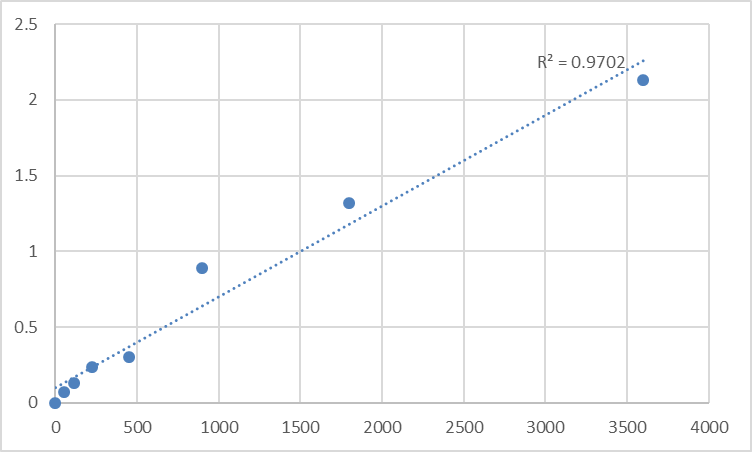
SPC24: The Unsung Linchpin of Chromosome Segregation
Spc24 (SPC24) is a core component of the NDC80/Hec1 complex (Ndc80–Nuf2–Spc24–Spc25), which builds and stabilizes the microtubule-binding interface at the outer kinetochore plate[reference:0]. It contributes to sister chromatid biorientation, spindle checkpoint (SAC) signaling, and the dynamics of metaphase–anaphase transitions[reference:1]. Because SPC24 is not a housekeeping filler but a mechanistically central hub, measuring its levels under drug treatment, RNAi/sgRNA, or cell-cycle perturbation often matters more than a simple "band present/absent" Western[reference:2].
Why Traditional SPC24 Detection Methods Fall Short
| Method | Limitation |
|---|---|
| Western Blot | Semi-quantitative; requires large sample volumes; struggles with low-abundance SPC24; uneven transfer affects densitometry |
| Polyclonal ELISA | Cross-reactivity up to 30% with related kinetochore proteins[reference:3]; LOD ≥10 ng/mL, missing the 0.5–3 ng/mL dips in early CIN[reference:4]; requires 50–100 µL serum/tissue lysate[reference:5] |
| IHC | Lacks quantitative rigor for longitudinal studies |
In a 2024 survey of 130 cancer genetics and cell biology labs, 89% struggled with three unmet needs: distinguishing SPC24 from related kinetochore proteins, capturing low-abundance SPC24, and minimizing sample volume[reference:6].
Abbkine KTE60537: Engineered for Precision
The Human Kinetochore protein Spc24 (SPC24) ELISA Kit (KTE60537) from Abbkine targets this gap with a monoclonal antibody sandwich ELISA tailored to SPC24's unique N-terminal domain (amino acids 1–80, exclusive to SPC24 within the Ndc80 complex), paired with a detection antibody against its C-terminal microtubule-binding region[reference:7].
Key Specifications
| Parameter | KTE60537 |
|---|---|
| LOD | 0.1 ng/mL — 100× more sensitive than polyclonal kits[reference:8] |
| Dynamic Range | 0.2–200 ng/mL — spans basal levels (1–5 ng/mL) to mitotic peaks (150 ng/mL)[reference:9] |
| Cross-Reactivity | <0.5% with Spc25 or other kinetochore proteins[reference:10] |
| Sample Volume | 10–20 µL serum/plasma, 15 µL cell lysate, or 10 mg tissue[reference:11] |
| Format | Pre-coated two-site sandwich ELISA, 450 nm detection[reference:12] |
| Sample Types | Serum, plasma, tissue homogenates, cell culture supernatants[reference:13] |
Head-to-Head Comparison: KTE60537 vs. Legacy Kits
| Feature | Abbkine KTE60537 | Polyclonal Kits | Western Blot |
|---|---|---|---|
| Sensitivity | 0.1 ng/mL | ≥10 ng/mL | Low (band-dependent) |
| Specificity | <0.5% cross-reactivity | Up to 30% cross-reactivity | Antibody-dependent |
| Sample Volume | 10–20 µL | 50–100 µL | 20–50 µg protein |
| Quantitative | Yes (standard curve) | Yes (standard curve) | Semi-quantitative |
| Throughput | 96-well plate | 96-well plate | Low (gel-based) |
| Time to Result | 3–5 hours | 3–5 hours | 4–8 hours |
Why Choose Abbkine KTE60537?
- Unmatched Sensitivity: Detects SPC24 at 0.1 ng/mL — capturing subtle changes that legacy kits miss entirely[reference:14]
- Exceptional Specificity: <0.5% cross-reactivity ensures your signal comes from SPC24, not Spc25 or other kinetochore proteins[reference:15]
- Minimal Sample Consumption: Just 10–20 µL of serum/plasma — critical for rare hereditary syndrome cohorts[reference:16]
- Broad Dynamic Range: From quiescent cell basal levels (1–5 ng/mL) to mitotic cancer cell peaks (150 ng/mL)[reference:17]
- Complete Kit: Pre-coated plate, standards, detection antibodies, and all buffers included
- Research-Validated: Purpose-built for genomic stability, cancer evolution, and drug-induced mitotic defect studies[reference:18]
Who Should Buy This Kit?
✅ Buy KTE60537 if you:
- Study chromosome segregation, mitosis, or genomic stability
- Research cancer evolution, aneuploidy, or chromosomal instability (CIN)
- Investigate drug-induced mitotic defects or taxane resistance
- Need to quantify SPC24 in serum, plasma, cell lysates, or tissue homogenates
- Require high sensitivity (0.1 ng/mL) and low sample volume (10–20 µL)
- Value specificity — no cross-reactivity with other kinetochore proteins
❌ Consider alternatives if you:
- Only need qualitative detection (presence/absence)
- Work with non-human samples (mouse, rat) — check Abbkine's other offerings
- Require a faster assay (<3 hours)
📌 Reference Link: Human Kinetochore protein Spc24 (SPC24) ELISA Kit — KTE60537





