




Human Prostaglandin E2 (PG-E2) ELISA Kit — Technical Comparison & Buying Guide for Inflammation and Lipid Mediator Researchers
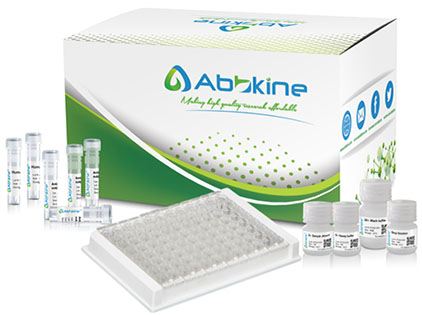
Article Type: Technical Comparison — summarizing comprehensive advantages with layered headings and comparison tables for quick browsing
PGE₂: The 354-Dalton Firestarter
Prostaglandin E₂ (PGE₂) is only 354 Da — a wispy, amphipathic lipid that weighs less than a single insulin chain — yet it punches above almost every classical cytokine when it comes to deciding whether a tissue feels pain, runs a fever, recruits edema, fuels tumor growth, or remodels its vasculature into a pro-angiogenic, immunosuppressive mess[reference:80]. Synthesized in seconds once arachidonic acid is freed by cPLA₂ and handed to COX-1/COX-2 → PGH₂ → mPGES-1, PGE₂ doesn't sit in a neat storage granule waiting to be counted — it diffuses across membranes, gets metabolized within minutes, and degrades faster than you can finish a lysis spin if you leave the sample at room temperature without inhibitors[reference:81].
That volatility is exactly why your "PGE₂ readout" is only as good as the kit's antibody affinity, the assay's cross-reactivity envelope, and — above all — your cold-chain and stabilization protocol[reference:82]. The Human Prostaglandin E₂ (PG-E₂) ELISA Kit (KTE61236) from Abbkine is purpose-built for this minefield[reference:83].
Why Traditional PGE₂ Detection Methods Fail
| Method | Limitation |
|---|---|
| Sandwich ELISA | Impossible — PGE₂ has zero protein structure (cyclopentenone + two side chains + carboxylic acid headgroup)[reference:84] |
| LC-MS/MS | Expensive; requires specialized equipment and expertise; low throughput |
| Generic Competitive ELISA | Cross-reactivity with other prostaglandins (PGD₂, PGF₂α, TXB₂); poor sensitivity |
A true two-site sandwich needs two distinct, non-overlapping epitopes on the same analyte. PGE₂ has no protein structure — it's a hapten. The only viable immunoassay architectures are hapten-based competition formats[reference:85].
Abbkine KTE61236: The Right Architecture for a Small-Molecule Hapten
KTE61236 uses the standard, proven competitive scheme[reference:86]:
- A PGE₂-specific antibody is immobilized (either pre-coated or captured via coated hapten-BSA)
- Sample PGE₂ + a fixed amount of HRP (or enzyme)-labeled PGE₂ tracer compete for binding to the antibody
- Signal is inversely proportional to PGE₂ concentration
Key Specifications
| Parameter | KTE61236 |
|---|---|
| Limit of Detection | 1.0 ng/L[reference:87] |
| Calibration Range | 30 ng/L – 480 ng/L[reference:88] |
| Format | Competitive immunoassay[reference:89] |
| Sample Types | Serum, plasma, cell culture supernatants, other biological fluids[reference:90] |
Head-to-Head Comparison: KTE61236 vs. Competitors
| Feature | Abbkine KTE61236 | Generic Competitive Kits | LC-MS/MS |
|---|---|---|---|
| LOD | 1.0 ng/L[reference:91] | ≥10 ng/L | ~1–5 ng/L |
| Cross-Reactivity | Minimal (validated) | Variable, often high | None (structural) |
| Throughput | High (96-well plate) | Medium | Low |
| Cost | Affordable | Variable | High |
| Equipment | Standard plate reader | Standard plate reader | Mass spectrometer |
| Expertise Required | Low | Low | High |
Critical Sample Handling: The Make-or-Break Step
PGE₂ degrades within minutes at room temperature and is susceptible to enzymatic breakdown in unprocessed biological samples[reference:92]. The KTE61236 kit comes with detailed sample-specific protocols[reference:93]:
- Plasma: Use EDTA or heparin anticoagulant tubes (citrate is not recommended); centrifuge at 1000×g for 15 minutes at 4°C within 30 minutes of collection[reference:94]
- Serum: Allow blood to clot at 4°C (not room temperature) for 1 hour before centrifugation[reference:95]
- Cell culture supernatants: Collect on ice; centrifuge at 1000×g for 20 minutes at 4°C; immediately aliquot into cryovials[reference:96]
- Never freeze-thaw more than once — each cycle degrades up to 20% of PGE₂[reference:97]
- Pro tip: Add a PGE₂ stabilizer (e.g., indomethacin) immediately after collection to inhibit cyclooxygenase activity — can boost detectable PGE₂ levels by up to 30–50%[reference:98]
Why Choose Abbkine KTE61236?
- Ultra-Sensitive Detection: 1.0 ng/L LOD — captures physiological PGE₂ levels that generic kits miss[reference:99]
- Validated Competitive Format: The right architecture for a 354-Da hapten[reference:100]
- Comprehensive Sample Protocols: Sample-specific handling protocols to preserve PGE₂ integrity[reference:101]
- Broad Sample Compatibility: Serum, plasma, cell culture supernatants, and other biological fluids[reference:102]
- Complete Kit: All reagents included — no additional components to source
- Research-Validated: Purpose-built for inflammation, oncology, endocrinology, and regenerative medicine[reference:103]
Who Should Buy This Kit?
✅ Buy KTE61236 if you:
- Study inflammation, COX-2 signaling, or lipid mediators[reference:104]
- Research cancer progression, angiogenesis, or tumor immunosuppression[reference:105]
- Investigate pain, fever, or reproductive physiology[reference:106]
- Need to quantify PGE₂ in serum, plasma, or cell culture supernatants
- Require ultra-high sensitivity (1.0 ng/L LOD) for low-abundance samples
- Value sample-specific protocols for PGE₂ stabilization and preservation
- Want a complete, ready-to-use kit with validated performance
❌ Consider alternatives if you:
- Have access to LC-MS/MS and need absolute structural confirmation
- Require a non-competitive format (not possible for haptens like PGE₂)
- Work with non-human samples — check Abbkine's other offerings
📌 Reference Link: Human Prostaglandin E2 (PG-E2) ELISA Kit — KTE61236





