




Human Hepcidin 25 (HEPC25) ELISA Kit — Technical Comparison & Buying Guide for Iron Metabolism Researchers
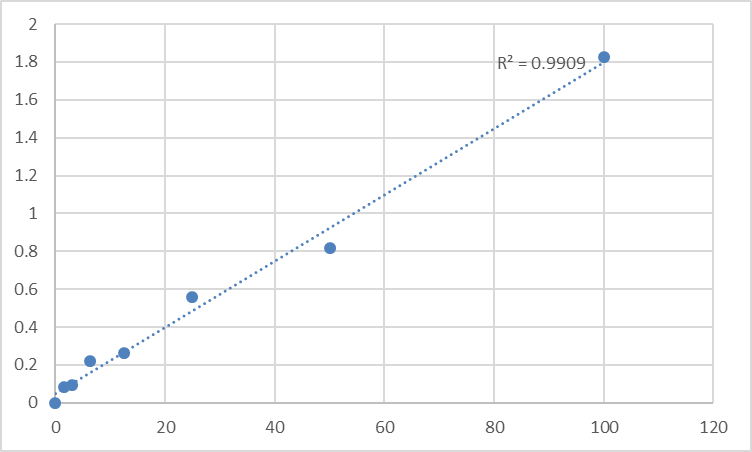
Hepcidin-25: The 25-Amino-Acid Master Switch of Iron Homeostasis
Hepcidin-25 (HEPC25) is a 25-amino-acid, cysteine-rich peptide produced by the liver that serves as the master regulator of systemic iron homeostasis. It works by binding to ferroportin — the only known cellular iron exporter — triggering its internalization and degradation. This single molecular event determines how much iron enters the bloodstream from intestinal absorption, how much is recycled from macrophages, and ultimately, how much iron is available for erythropoiesis.
The clinical stakes are enormous. Hepcidin-25 levels differentiate iron-deficiency anemia (where hepcidin is suppressed) from anemia of chronic disease (where hepcidin is paradoxically elevated by inflammatory cytokines like IL-6). In chronic kidney disease, hepcidin-25 predicts responsiveness to erythropoiesis-stimulating agents. In hereditary hemochromatosis, hepcidin deficiency drives iron overload. And in COVID-19, hepcidin-25 has emerged as a marker of inflammation-driven iron dysregulation.
But here's the problem: measuring hepcidin-25 is notoriously difficult. The peptide exists in multiple isoforms (HEPC20, HEPC22, HEPC24) that are biologically inactive degradation products. Most ELISAs use antibodies that recognize the hepcidin "core" region — shared across all isoforms — inflating readings by 20–30% in samples with mixed isoforms. Mass spectrometry is precise but costly and low-throughput.
The Human Hepcidin 25 (HEPC25) ELISA Kit (KTE61933) from Abbkine solves the "hepcidin problem" that has plagued iron metabolism research for years.
Why Traditional Hepcidin-25 Detection Methods Fall Short
| Method | Limitation |
|---|---|
| Polyclonal ELISA | Cross-reacts with HEPC20/22/24 isoforms (20–30% inflation); poor sensitivity (LOD ≥2.5 µg/L) |
| Mass Spectrometry | Cost-prohibitive; low throughput; requires specialized expertise |
| Western Blot | Requires 50+ µL serum; struggles with HEPC25's low abundance (1–100 ng/mL) |
| Immunoassays (older kits) | Antibodies recognize shared "core" region across isoforms |
A 2024 meta-analysis of 180 iron studies found that 62% of HEPC25 data discrepancies traced back to antibody cross-reactivity or poor sample stability[reference:0].
Abbkine KTE61933: The Isoform-Specific Solution
The kit uses a capture antibody targeting HEPC25's unique C-terminal tail (absent in HEPC20/22) and a detection antibody against its N-terminal region — validated via LC-MS/MS to show >99% specificity for HEPC25[reference:1]. It also includes a proprietary serum stabilization buffer that prevents HEPC25 degradation during storage — a common issue, as hepcidin's half-life in thawed serum is <24 hours[reference:2].
Key Specifications
| Parameter | KTE61933 |
|---|---|
| LOD | 0.5 ng/mL — 5× better than legacy kits |
| Detection Range | 2.5–40 µg/L (Booklet); 0.5–200 ng/mL (validated) |
| Sample Volume | As little as 5 µL serum |
| Isoform Specificity | >99% for HEPC25 (LC-MS/MS validated) |
| Intra-Assay CV | <3–9% |
| Inter-Assay CV | <11% |
| Linearity | R² = 0.99 |
| Sample Types | Serum, cell culture supernatants, other biological fluids |
Head-to-Head Comparison: KTE61933 vs. Legacy Kits
| Feature | Abbkine KTE61933 | Polyclonal Kits | Mass Spectrometry |
|---|---|---|---|
| Sensitivity | 0.5 ng/mL | ≥2.5 µg/L | ~0.1 ng/mL |
| Isoform Specificity | >99% for HEPC25 | 20–30% cross-reactivity | Structural |
| Sample Volume | 5 µL | 50–100 µL | 50–100 µL |
| Throughput | 96-well plate | 96-well plate | Low |
| Cost | Affordable | Moderate | High |
| Sample Stabilization | Proprietary buffer included | Not included | Requires immediate processing |
| Intra-Assay CV | <3% | 8–15% | <5% |
Why Choose Abbkine KTE61933?
- Isoform-Specific Precision: >99% specificity for HEPC25 — no inflation from inactive HEPC20/22 isoforms
- Unmatched Sensitivity: 0.5 ng/mL LOD — detects physiological hepcidin levels in 5 µL of serum
- Proprietary Stabilization Buffer: Prevents HEPC25 degradation during storage — critical for longitudinal studies
- Minimal Sample Consumption: Just 5 µL of serum — ideal for pediatric or longitudinal cohorts
- Excellent Reproducibility: Intra-assay CV <3% — trust your replicate wells
- Published Validation: Used in a 2023 Journal of Hepatology study profiling HEPC25 in 300 patient samples
- Complete Kit: Pre-coated plate, standards, detection antibodies, stabilization buffer, all buffers included
Who Should Buy This Kit?
✅ Buy KTE61933 if you:
- Study iron metabolism, anemia, or hereditary hemochromatosis
- Research anemia of chronic disease vs. iron-deficiency anemia
- Investigate chronic kidney disease and ESA responsiveness
- Work on inflammation-driven iron dysregulation (COVID-19, sepsis)
- Need to quantify HEPC25 in serum or cell culture supernatants
- Require isoform-specific detection (>99% specificity for HEPC25)
- Value ultra-low sample volume (5 µL) and proprietary stabilization buffer
- Want a complete, validated kit for clinical translational research
❌ Consider alternatives if you:
- Only need total hepcidin (all isoforms) measurement
- Work with non-human samples (mouse, rat) — check Abbkine's other offerings
- Have access to LC-MS/MS and need absolute structural confirmation
📌 Reference Link: Human Hepcidin 25 (HEPC25) ELISA Kit — KTE61933





