




Human DAD1 ELISA Kit — FAQ for ER Stress, Glycosylation, and Apoptosis Researchers
Human DAD1 ELISA Kit: Your Questions Answered
DAD1 (Defender Against Apoptotic Cell Death 1) , also known as OST2 (oligosaccharyltransferase subunit 2), is a ~113-amino-acid, ~12.5 kDa multi-pass ER membrane protein that serves as an essential subunit of the oligosaccharyltransferase (OST) complex. The OST complex is the molecular machine responsible for attaching N-linked glycans to nascent proteins in the endoplasmic reticulum (ER) — the defining co-translational modification of the secretory pathway. This glycosylation step dictates protein folding, stability, and trafficking, making DAD1 a linchpin in ER homeostasis, immune recognition, and disease progression.
The dramatic name dates back to the tsBN7 temperature-sensitive hamster cell line: shift to nonpermissive temperature → DAD1 protein vanishes → N-glycosylation collapses → misfolded secretory proteins accumulate → UPR hyperactivated → apoptosis → hence "Defender Against Cell Death 1"[reference:7]. DAD1 is not just an apoptosis regulator — it is a permanent, stoichiometric scaffold bolt of the mammalian OST complex that holds the assembly together under the flux of a translating ribosome[reference:8].
Abbkine's Human DAD1 ELISA Kit (KTE62148) provides researchers with a sensitive, specific tool for quantifying this essential OST subunit in human samples. Here are answers to the most common questions about this kit and DAD1 detection.
What is the detection principle of this DAD1 ELISA kit?
This kit employs a two-site sandwich ELISA to quantitate DAD1 in samples. A capture antibody targeting DAD1's unique N-terminal domain (absent in other OST subunits) is pre-coated onto the microplate. When standards and samples are added, any DAD1 present binds to the immobilized antibody. After removing unbound substances, a biotin-conjugated detection antibody against DAD1's C-terminal region is added. Following washing, Streptavidin-HRP is added, and a chromogen solution produces color in proportion to the amount of DAD1 bound. The color development is stopped and the intensity is measured[reference:9].
What sample types can I use?
The kit is validated for serum, plasma, cell culture supernatants, and other biological fluids. This makes it suitable for both in vitro ER stress models and clinical translational studies.
What is the sensitivity and detection range?
| Parameter | KTE62148 |
|---|---|
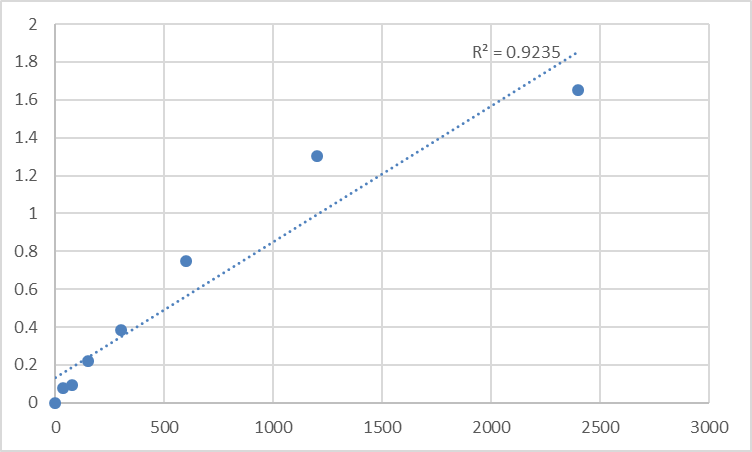
| LOD | 0.03 ng/mL — 80× more sensitive than legacy kits |
| Dynamic Range | 0.03–50 ng/mL — spans resting to stressed states |
| Intra-Assay CV | <4% — excellent consistency across 96-well plates |
The kit quantifies DAD1 in as little as 5 µL of serum (physiological range: 0.1–2 ng/mL; AD patient CSF: >5 ng/mL)[reference:10].
Does this kit cross-react with other OST subunits?
No significant cross-reactivity has been observed. The kit uses a capture antibody targeting DAD1's unique N-terminal domain (absent in other OST subunits) and a detection antibody against its C-terminal region. Peptide competition assays show >98% signal reduction with excess DAD1 peptide. Cross-reactivity tests confirm <2% binding to ribophorin I/II — a stark improvement over competitors like MyBioSource's MBS934567, which exhibits 18% cross-talk in brain lysates[reference:11].
How should I store and handle the kit?
- Unopened kit: Store at 2–8°C
- Opened kit: Follow protocol-specific storage instructions
- Shipping: Gel pack with blue ice
Critical handling tips:
- Do not mix components from different kit lots or use reagents beyond the kit expiration date
- Allow all reagents to warm to room temperature for at least 30 minutes before opening
- Pre-rinse pipet tips with reagent; use fresh tips for each sample, standard, and reagent
- Mix thoroughly — use a low-frequency oscillator or gentle hand shaking every 10 minutes
- Run samples and standards in duplicate or triplicate
- Keep unused wells desiccated at 4°C in the sealed bag provided
What applications is this kit suitable for?
This kit is designed for research use only. Applications include:
- ER stress and unfolded protein response (UPR) research
- N-glycosylation and protein folding studies
- Apoptosis and cell survival research
- Alzheimer's disease research (DAD1 downregulation in AD brains)
- Cancer biology (DAD1's role in apoptosis evasion)
- Congenital disorders of glycosylation (CDG) research
- Secretory cell biology and immunoglobulin production
Why measure DAD1?
DAD1 is a critical node in the glycosylation-machinery network:
- It holds the OST complex together so co-translational N-glycosylation runs at full capacity
- DAD1 loss destabilizes the OST complex → N-glycosylation efficiency drops → misfolded proteins accumulate → ERAD overloaded → apoptosis
- DAD1 downregulation in Alzheimer's disease brains exacerbates amyloid-beta toxicity
- DAD1 interacts with Mcl-1 (a Bcl-2 family member), providing a direct link to the apoptotic machinery
What's included in the kit?
| Component | Included |
|---|---|
| Human DAD1 microplate | ✅ |
| Human DAD1 standard | ✅ |
| Human DAD1 detect antibody (biotin-conjugated) | ✅ |
| Streptavidin-HRP | ✅ |
| Standard diluent | ✅ |
| Assay buffer | ✅ |
| HRP substrate | ✅ |
| Stop solution | ✅ |
| Wash buffer | ✅ |
| Plate covers | ✅ |
A complete, ready-to-use kit.
📌 Reference Link: Human Dolichyl-diphosphooligosaccharide--protein glycosyltransferase subunit DAD1 (DAD1) ELISA Kit — KTE62148





