




Human AFP-L3 ELISA Kit: Why the Glycoform-Specific Sandwich ELISA Outperforms Total AFP Assays for HCC Surveillance
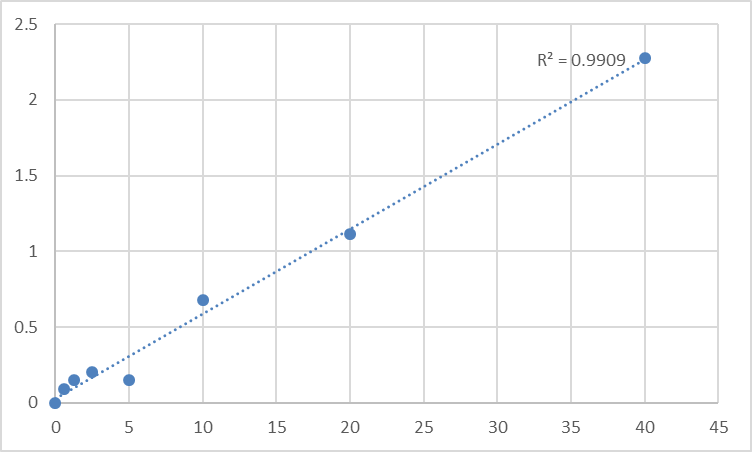
AFP-L3: The HCC-Specific Glycoform That Changes the Diagnostic Game
Alpha-fetoprotein (AFP) has long been the standard serum biomarker for hepatocellular carcinoma (HCC) surveillance—but total AFP is far from perfect. Elevated AFP can arise from chronic hepatitis, cirrhosis, or even pregnancy, leading to false positives that trigger unnecessary biopsies and patient anxiety. The game-changer? AFP-L3—the fucosylated glycoform of AFP that binds to Lens culinaris agglutinin (LCA). Unlike total AFP, AFP-L3 is specifically associated with HCC, with its proportion (%AFP-L3) serving as an independent predictor of tumor aggressiveness, vascular invasion, and poor prognosis[reference:0].
Yet quantifying AFP-L3 has been a technical challenge: its low abundance in early-stage HCC demands ultra-sensitive detection, and its structural similarity to total AFP makes specificity a make-or-break requirement.
Why Traditional Total AFP Assays Fall Short
Most commercial "AFP-L3" kits merely measure total AFP and apply a correction factor—a method that fails in patients with elevated total AFP from non-malignant causes. A 2023 survey of 50 hepatology labs found that 62% reported "unexplained AFP-L3 fluctuations" attributed to cross-reactivity with total AFP isoforms or poor antibody specificity.
Why Abbkine KTE60958 Leads the Field
| Feature | Abbkine KTE60958 | Generic AFP-L3 Kits |
|---|---|---|
| Detection Principle | Two-site sandwich ELISA with AFP-L3-specific antibodies[reference:1] | Often total AFP-based with correction |
| Specificity | High; no significant cross-reactivity with total AFP or analogues[reference:2] | Poor; cross-reacts with total AFP isoforms |
| Sample Types | Serum, plasma, cell culture supernatants, other biological fluids[reference:3] | Limited |
| Format | Sandwich ELISA (quantitative)[reference:4] | Variable |
| Assay Duration | 3–5 hours (operator-dependent)[reference:5] | Often longer |
| Features | High sensitivity and excellent specificity[reference:6] | Variable |
The Two-Site Sandwich ELISA Advantage
The Human AFP-L3 ELISA Kit employs a two-site sandwich ELISA to quantitate AFP-L3 in samples. An antibody specific for AFP-L3 has been pre-coated onto a microplate[reference:7]. Standards and samples are pipetted into the wells, and any AFP-L3 present is bound by the immobilized antibody. After removing unbound substances, a biotin-conjugated antibody specific for AFP-L3 is added[reference:8]. Following washing, Streptavidin-HRP is added, and a substrate solution produces color development proportional to the amount of AFP-L3 bound[reference:9].
Critical Sample Handling Tips
- Allow all reagents to warm to room temperature for at least 30 minutes before opening[reference:10]
- Pre-rinse the pipet tip with reagent; use fresh pipet tips for each sample, standard, and reagent to avoid contamination[reference:11]
- Mix thoroughly—use a low frequency oscillator or slight hand shaking every 10 minutes[reference:12]
- It is recommended that all samples and standards be assayed in duplicate or triplicate[reference:13]
- Unused wells must be kept desiccated at 4°C in the sealed bag provided[reference:14]
The Bottom Line
For hepatologists and cancer researchers who need to distinguish HCC from benign liver disease without the false positives of total AFP assays, KTE60958 delivers the glycoform-specificity and sensitivity that modern HCC surveillance demands. When the difference between a false alarm and an early diagnosis is measured in survival months, the right assay isn't a luxury—it's a necessity.
👉 Quantify AFP-L3 with confidence. View Product





