




CheKine™ Micro Plant Flavonoids Assay Kit: Your Buyer‘s Guide for Reliable Flavonoid Quantification
The 30-Second Verdict
Flavonoids are pivotal polyphenolic compounds in plant biochemistry, playing essential roles in antioxidant defense, UV protection, and plant-microbe interactions[reference:0]. Abbkine’s CheKine™ Micro Plant Flavonoids Assay Kit (KTB1530) is a colorimetric microplate-based tool designed for rapid, quantitative determination of total flavonoid content in plant tissue samples—particularly suited for oxidative stress assessment in cell metabolism research[reference:1]. With over 2,100 views and recognition in published research, this kit has become a trusted solution for plant biologists worldwide[reference:2].
Pros
✅ Colorimetric detection — measures flavonoids at 502 nm via alkaline chromogenic reaction[reference:3][reference:4]
✅ Broad sample compatibility — leaves, stems, fruits, seeds, and plant extracts[reference:5]
✅ Wide detection range — 0.156–10 mg/g, with a sensitivity of 0.078 mg/g[reference:6][reference:7]
✅ Comprehensive components — includes Nitrite Solution, Chromogen, NaOH Solution, and Quercetin Standard (10 mg/mL)[reference:8][reference:9]
✅ Microscale format — 48 tests (48T) and 24 standards (24S), suitable for both small-scale and high-throughput screening[reference:10]
✅ Validated in publications — cited in a study on kiwifruit postharvest quality treated with Lactiplantibacillus pentosus[reference:11]
✅ Cost-effective — priced at $79[reference:12]
Cons
❌ Requires 4°C storage, protected from light[reference:13]
❌ Not for clinical diagnosis (research use only)[reference:14]
❌ Color development must be measured immediately—absorbance decreases after 2 hours[reference:15]
Who Should Buy This Kit?
Ideal for:
- Plant physiologists studying stress responses (drought, heavy metals, UV)[reference:16]
- Researchers investigating flavonoid biosynthesis under abiotic or biotic stress[reference:17]
- Scientists evaluating the nutritional quality of crop cultivars[reference:18]
- Pharmacologists screening natural plant products for therapeutic potential[reference:19]
- Food scientists conducting quality control of functional food ingredients[reference:20]
- Labs working with limited or precious plant samples
Skip this if:
- You lack a spectrophotometer capable of 502 nm absorbance[reference:21]
- You need to distinguish individual flavonoid subclasses (use HPLC instead)
How It Works
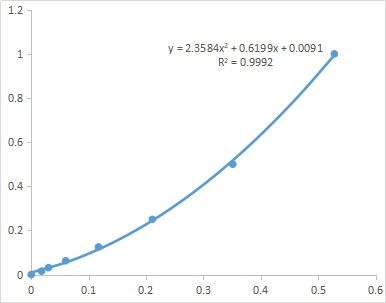
Flavonoids react with chromogenic reagents under alkaline conditions to produce colored products detectable at a specific wavelength. The absorbance is proportional to flavonoid concentration. Using a quercetin standard to establish a standard curve, the flavonoid content in samples is accurately calculated (expressed as quercetin equivalents)[reference:22].
Critical Tips for Success
- Perform a pre-experiment with 2-3 samples with large expected differences before formal testing[reference:23]
- Each sample requires a control well[reference:24]
- If OD value >0.6, dilute the sample appropriately and account for the dilution factor in calculations[reference:25]
- Measure immediately after color development—absorbance decreases after 2 hours[reference:26]
- Do not mix components from different batch numbers or manufacturers[reference:27]
- Avoid bubbles when mixing or reconstituting components[reference:28]
The Bottom Line
For researchers seeking efficient and accurate flavonoid analysis tools, KTB1530 eliminates the technical barriers associated with traditional methods—which are often cumbersome, time-consuming, and reliant on specialized equipment[reference:29]—and provides strong support for advancing research in plant biology, agriculture, and pharmacology[reference:30].
👉 Quantify plant flavonoids with confidence. View Product





