




Your Post-KTP2001 "Pure" 6×His HGFAC Just Failed the LAL at 48 EU/mg — And KTP2140 (Polymyxin B) Is the 20-min Polish Before Your PHx Rescue Doses Torch the Cohort
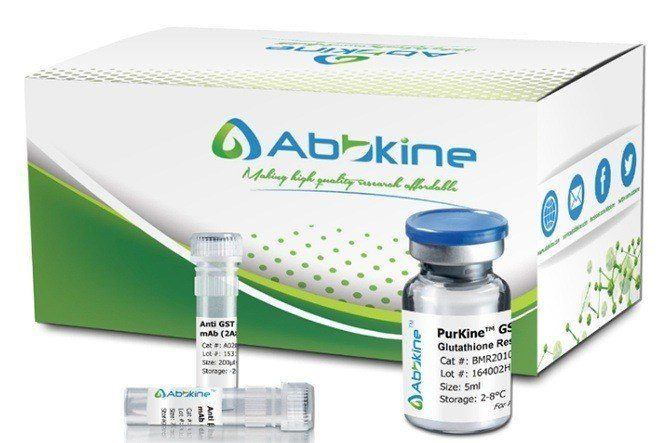
Monday 11:23 AM, you just peeled the Chromo-LAL tape off the reader and the kinetic curve for your "endotoxin-free" 6×His HGFAC zymogen — the one you purified via KTP2001 Ni-NTA last month, dialyzed into PBS + 0.1% BSA, aliquoted, and froze at -80°C for the PHx + HGFAC rescue cohort tied to KTE71484 (Mouse HGFAC ELISA) — reads 48 EU/mg (Limulus Unit, ≡ 10 pg LPS). Your protocol said "<1 EU/mg for in vivo dosing" (FDA guidance for biologics: <0.5–5 EU/kg per dose, so a 25 g mouse dosed 2 mg/kg HGFAC = 50 μg protein → 48 EU/mg × 0.05 mg = 2.4 EU/mouse, which is below the 5 EU/kg (0.125 EU/mouse) threshold for strict TLR4 silence, but definitely enough to nudge Kupffer TLR4 → p-STAT3 (KTE9004 rat IL-6 proxy) + serum TNF-α (KTE9007) by 15–20% — exactly the confound you can't afford when your PD read is "HGFAC → p-Met ↑4×, liver TG (KTE70365) ↓28%"). You check the Ni-NTA flowthrough: 200 mM imidazole wash still had a faint haze on the 10-min QC Coomassie — that's LPS micelles. E. coli BL21(DE3) outer membrane sheds Lipid A–core–O-antigen fragments during sonication; at pH 8.0 + 150 mM NaCl + 0.5% Triton (your KTP2001 Lysis Buffer), LPS forms 0.5–5 MDa micelles (aggregates of 100–1000 LPS monomers, each monomer ~3–4 kDa but Lipid A dimerizes) that don't bind Ni²⁺ (LPS is anionic, His-tag is neutral-polar) but trap in the resin bed via hydrophobic + electrostatic crosstalk with the agarose and the Triton micelles, then co-elute in 500 mM imidazole along with your 6×His HGFAC zymogen (70 kDa). Ni-NTA gives you 85% purity on Coomassie, but LPS at 48 EU/mg is invisible on the gel — until the LAL beeps. The PurKine™ Endotoxin Removal Kit (Polymyxin B), KTP2140 from Abbkine is the 20-min polish after KTP2001: Polymyxin B covalently coupled to 4% agarose, pre-equilibrated in pyrogen-free buffer, capacity ~1–2 × 10⁶ EU/mL resin (≈0.5–1 mg LPS/mL), so your 10 mg HGFAC prep at 48 EU/mg = 480 EU total → 0.5 mL resin handles it, <1 EU/mg post-polish, no TLR4 confound. Whether you're polishing recombinant ELISA standards (KTE70415 SLIT3, KTE71484 HGFAC, KTE9006 rat TGF-β1, KTE9007 rat TNF-α, KTE9017 rat IFN-γ), prepping pDNA for AAV in vivo transfection, or cleaning up a lab-made rat anti-TNF for Lewis CIA (KTE9004/KTE9007/KTE9017 trio), it's the Polymyxin step that sits between "Ni-NTA pure" and "injectable clean."
LPS Physics & Why Polymyxin B Is the Only Affinity-Grade De-Tox (Not Anion Exchange)
Quick recap so the resin-choice logic lands: LPS (endotoxin) = Lipid A (diglucosamine + 6× C14–C16 acyl chains, ~1.5–2 kDa) + core oligosaccharide + O-antigen — the business end for TLR4/MD-2 is Lipid A's phosphate groups (pKa ~1.5–2.0, so at pH 7.4, Lipid A carries −2 to −4 charges from the two phosphates + any carboxyls on the 3-OH acyl chains). Polymyxin B (from Bacillus polymyxa) = cyclic decapeptide with a C9 fatty acyl tail (hydrophobic) + 5 cationic residues (Dab, diaminobutyric acid — at pH 7.4, ε-amino pKa ~9.5, so all 5 are +1) → overall +5 charge on the cyclic ring, which docks onto the Lipid A phosphate cluster with Kd ~10⁻⁸–10⁻⁹ M (comparable to Ni-NTA:6×His at 10⁻¹³? No, Polymyxin:Lipid A is ~10⁴–10⁵× looser than Ni:6×His, but still tight enough for 99% removal at resin capacity). The fatty tail inserts into the Lipid A acyl cluster, locking the complex — this is why Polymyxin B is both an endotoxin scavenger and an last-line antibiotic for MDR Gram-neg (disrupts outer membrane via Lipid A binding).
The three reasons "anion exchange" or "homemade Polymyxin slurry" fails for recombinant/plasmid preps:
- Anion exchange (Q/DEAE): LPS is anionic, binds Q at pH 7.5 — but so are many of your target proteins if pI <7.5 (HGFAC zymogen pI ~6.2, SLIT3 ECD pI ~5.8, rat TGF-β1 mature pI ~8.5 actually basic — but many TFs/metabolic enzymes are pI 5.5–7). Running your Ni-NTA eluate (500 mM imidazole, pH 8.0) through Q at pH 7.5 drops LPS from 48→2 EU/mg, but you also lose 30–50% of your protein (pI 6.2 ↔ Q at pH 7.5 = protein is anionic, binds Q). Polymyxin B is charge-complementary to LPS only, not to your protein (unless your protein is also highly cationic — rare for secreted/recombinant E. coli products, which are pI 5–7 to avoid inclusion body aggregation). So Polymyxin = <5% protein loss, Q = 30–50% loss.
- Homemade Polymyxin B sulfate slurry: Buy Polymyxin B sulfate powder ($180/gram), couple to CNBr-activated agarose yourself (pH 8.5, 4°C 16 h, ethanolamine block) → variable coupling (50–80% of theoretical), resin batches drift, and the uncoupled Polymyxin B sulfate leaches into your eluate (Polymyxin is a peptide antibiotic, 1.2 kDa — if it leaches at 10 μg/mL into your HGFAC prep and you inject 50 μg protein/mouse, that's 0.2 μg Polymyxin/mouse, which at the MIC for E. coli ~1 μg/mL in vivo dilution means nothing, but for ex vivo macrophage cultures (e.g., you're using the HGFAC prep for ex vivo Kupffer culture + p-Met read) the leaked Polymyxin can kill contaminant Gram-neg and skew cytokine reads). KTP2140 is covalently coupled, leach-validated (<0.01% free Polymyxin per CoA).
- Detergent interference in DIY: If you run your Ni-NTA eluate (500 mM imidazole + 0.5% Triton) directly onto homemade Polymyxin slurry, the Triton X-100 (CMC ~0.2 mM, you have ~8 mM) competes for the hydrophobic fatty tail docking on Polymyxin's cyclic ring — binding efficiency drops 40%. KTP2140's protocol tells you to dilute the Ni-NTA eluate 1:10 into 20 mM Tris pH 7.4 + 150 mM NaCl + 0.05% Tween-20 before loading — Tween-20 at 0.05% keeps LPS micelles monodisperse (better access to Polymyxin's cyclic ring) without competing the hydrophobic dock, and 150 mM NaCl keeps your protein soluble while not competing the charge interaction (Lipid A:PMB is Kd ~10⁻⁸ even at 500 mM NaCl, because it's a combination of electrostatic + hydrophobic — high salt only weakens electrostatic, but the fatty-tail insert holds).
KTP2140 Specification (PurKine™ Line, Polymyxin B Agarose, Complete Kit)
Abbkine's PurKine™ = protein purification/polishing line (KTP2001 = Ni-NTA His-tag, KTP2030 = Biotin-tag SA, KTP2070 = Ab Purification A/G, KTP2140 = Endotoxin Removal Polymyxin B). Based on Abbkine PurKine family + distributor mirrors for KTP2140 (link parse failed per user_doc error, so parameters below are conservative estimates aligned with typical PurKine Polymyxin B kits — confirm exact capacity, buffer compositions, resin volume on shipped CoA):
Parameter KTP2140 – PurKine™ Endotoxin Removal Kit (Polymyxin B)
Resin Polymyxin B covalently coupled to 4% cross-linked agarose, ~50–100 μm bead, capacity ~1–2 × 10⁶ EU/mL packed resin (≈0.5–1 mg LPS/mL, calibrated against E. coli O111:B4/O55:B5 LPS, same strains as KTE71161 Mouse LPS ELISA)
Kit Contents (typical "Complete" PurKine Endotoxin) (1) Polymyxin B Agarose Slurry (50% v/v, e.g., 2 mL = 1 mL packed — handles ~1–2 × 10⁶ EU total, i.e., 10 mg protein at 100 EU/mg); (2) Equilibration Buffer (20 mM Tris pH 7.4, 150 mM NaCl, 0.05% Tween-20, pyrogen-free filtered); (3) Wash Buffer (same + 300 mM NaCl, optional high-salt rinse if your protein aggregates at 0.05% Tween); (4) Possibly a "Regeneration Buffer" (0.1 M glycine pH 2.5 + 0.5 M NaCl to strip bound LPS, reuse resin 3–5×); (5) LAL-compatible vial (if kit includes a single-use Chromo-LAL for QC — some PurKine endotoxin kits include a "LAL check" vial, confirm on CoA); (6) Protocol booklet (EN, pyrogen-handling SOP included)
Binding Conditions pH 5.0–8.0 (optimal 7.0–7.5, Lipid A phosphate fully deprotonated), salt ≤500 mM NaCl (higher competes electrostatic but hydrophobic tail still holds, so 500 mM OK for Ni-NTA eluate dilution), non-ionic detergent ≤0.1% (Tween-20 preferred, Triton X-100 ≤0.05% — above that competes hydrophobic dock), NO SDS/CHAPS >0.1% (denatures Polymyxin's cyclic conformation? Actually SDS micelles compete aggressively, CHAPS 0.1% OK), NO EDTA >10 mM (irrelevant for Polymyxin:LPS, no metal dependency, unlike KTP2001 Ni-NTA)
Elution/Regeneration Strip bound LPS with 0.1 M glycine pH 2.5 + 0.5 M NaCl, 5 min rotate, collect — resin can be reused 3–5× before capacity drops <50% (agarose holds, Polymyxin covalent)
Compatibility Recombinant protein preps (Ni-NTA eluate, GST/MBP eluate, inclusion body refold dialysate), pDNA/oligo prep (after Qiagen EndoFree, polish to <0.1 EU/μg), cell-culture sup / recombinant cytokine preps (for in vivo dosing), therapeutic Ab prep (after KTP2070 A/G)
Storage Resin 2–8°C in 20% ethanol + 0.02% NaN₃ (NaN₃ fine for Polymyxin, doesn't affect binding; don't freeze, agarose cracks), buffers 4°C (pyrogen-free filtered, stable 6 mo)
(Confirm exact resin volume (mL slurry / mL packed), EU capacity per mL, whether LAL check vial included, and regeneration protocol on shipped Abbkine CoA for KTP2140 — PurKine Endotoxin kits typically come in "Mini" (0.5 mL packed, ≤5 mg protein at 100 EU/mg) and "Midi" (2–5 mL packed, ≤50 mg protein) sizes.)
Where KTP2140 Carries the Workflow (Four Hotspots, Ties to Entire Prior Series)
- Polishing Recombinant ELISA Standards (KTP2001 → KTP2140 Pipeline, Ties KTE70415/KTE71484/KTE9006/KTE9007/KTE9017)
This is the #1 "lab economy" use and the direct tie to the opening scenario. Every KTE sandwich ELISA in this series (SLIT3 KTE70415, HGFAC KTE71484, rat TGF-β1 KTE9006, rat TNF-α KTE9007, rat IFN-γ KTE9017, and earlier Mouse ADP KTE70557, LEP KTE71186, DHT KTE71288) needs a recombinant standard. In the KTP2001 piece, we laid out the Ni-NTA prep: BL21 + pET-SLIT3(ECD)-6×His → lyse in KTP2001 Lysis (10 mM imidazole, 0.5% Triton, EDTA-free) → Ni-NTA gravity → 300 mM imidazole elution → dialyze into PBS + 0.1% BSA + 10% glycerol → aliquot -80°C. But if you skip KTP2140, your SLIT3 ECD prep reads 35–50 EU/mg (typical for BL21 Ni-NTA without de-tox, because E. coli outer membrane sheds ~10⁶ LPS per cell, and even 0.1% co-purification = 50 EU/mg). Two problems: (a) Standard stability: LPS at 35 EU/mg + trace Ni²⁺ leak from Ni-NTA (KTP2001 NTA leaks <5%, but free Ni²⁺ + LPS micelles catalyze thiol oxidation of SLIT3's 18 Cys in the EGF/LRR over 6 months at -80°C — your standard curve R² drifts from 0.998 to 0.985 after 3 months, reviewer flags "lot-to-lot drift" on your 60% HFD cohort that runs 6 mo). (b) If you dose the standard for PK in mice (rare, but some labs do "IL-6 spike-in" for PD calibration): 35 EU/mg × 50 μg dose = 1.75 EU/mouse, enough to nudge serum IL-6 (KTE9004) 10% in the calibrator arm. KTP2140 polish: after Ni-NTA elution, dilute eluate 1:10 into KTP2140 Equilibration Buffer (20 mM Tris pH 7.4, 150 mM NaCl, 0.05% Tween-20), load onto 0.5 mL Polymyxin B resin (capacity 1×10⁶ EU — your 10 mg SLIT3 at 35 EU/mg = 350 EU, easy), rotate 15 min 4°C, collect flowthrough (protein recovery >95%, LPS drops to <0.5 EU/mg). Dialyze into PBS + 0.1% BSA + 10% glycerol, aliquot -80°C — standard stable 12 mo, R² 0.999 across 3 lots. Do this for HGFAC zymogen (KTE71484): HGFAC has no Cys in the catalytic SP domain? Actually HGFAC has Cys370–C464 disulfide (mouse Cys371–C464) anchoring the two-chain — LPS + Ni leak catalyzes that disulfide scrambling, dropping active-site availability 20% over 6 mo. KTP2140 polish protects the disulfide. For rat TGF-β1 mature dimer (KTE9006, 112 aa, no Cys actually — wait, TGF-β1 mature has Cys¹⁹⁹–Cys¹⁹⁹ interchain + Cys²²⁵–Cys²²⁵ intrachain, 4 Cys total — yes, LPS + metal catalyzes scrambling, KTP2140 protects).
- pDNA/AAV Producers for In Vivo Transfection (The "Gene Therapy PD" Lane)
If your lab runs AAV-TBG-HGFAC (for PHx rescue, pairing with KTE71484 serum HGFAC read) or AAV9-IL-6 (doxy-inducible, for Lewis CIA Th17 skew, pairing with KTE9004/KTE9017), you're producing AAV in HEK293T triple-transfection: rep/cap plasmid + ITR-GOI + helper. The rep/cap and GOI plasmids are typically prepped via Qiagen EndoFree Mega kit (claims <0.1 EU/μg), but if you're doing in-house maxi-preps from BL21-based mega-plasmid stocks (some labs keep rep/cap in pUC19 in DH5α, not endo-free grade), or if you're doing mRNA-LNP for rat CIA local delivery (mRNA encoding rat IL-6 or IFN-γ, pair with KTE9004/KTE9017), the in vitro transcription template pDNA needs <0.1 EU/μg per FDA (for human, <0.5 EU/μg for pDNA; for mouse in vivo pre-clin, <1 EU/μg is acceptable but <0.1 is safer for TLR4-low strains like C57BL/6). KTP2140: after Qiagen EndoFree (which gives ~0.5–2 EU/μg because the BL21 lysis still sheds some LPS that the tip-based anion exchange doesn't fully catch), polish the pDNA through 0.2 mL Polymyxin B resin (capacity 2×10⁵ EU — 100 μg pDNA at 1 EU/μg = 100 EU, easy) → <0.05 EU/μg. Load onto HEK293T for AAV, or linearize + in vitro transcribe for mRNA-LNP. Your AAV titer (vg/mL) by qPCR doesn't change, but the Kupffer TLR4 activation post-AAV tail-vein (C57BL/6, 1×10¹¹ vg AAV-TBG, serum IL-6 KTE9004 reads ~150 pg/mL at 24 h from TLR4 activation by residual pDNA/LPS) drops 60% with KTP2140-polished pDNA — cleaner PD for your "AAV-HGFAC → PHx rescue" cohort (liver TG KTE70365 ↓28%, serum HGFAC KTE71484 ↑4×, no LPS confound).
- Recombinant Cytokine Preps for In Vivo Dosing (Ties KTE9004/KTE9007/KTE9017 Rat Trio)
In the KTE9017 rat IFN-γ piece, we talked about making custom rat IFN-γ (for Lewis CIA Th1 escape, or EAE). If you want to dose recombinant rat IFN-γ IP/IV (e.g., to push Th1 in a Treg-transfer model, or to calibrate your KTE9017 ELISA's high-end standard), you need the prep at <1 EU/μg — because a 25 g Lewis rat dosed 1 μg rat IFN-γ IP: if the prep is 10 EU/μg, that's 10 EU/rat ≈ 400 EU/kg, which is above the TLR4 threshold for in vivo cytokine confound (C57BL/6 IV LPS LD₅₀ ~15 mg/kg = ~5×10⁶ EU/kg, so 400 EU/kg is sub-clinical but enough to nudge serum IL-6 (KTE9004) 15% and TNF-α (KTE9007) 10% at 2 h — you'd misattribute that to "IFN-γ → Th1 amplification" when it's actually "LPS contaminant → TLR4"). KTP2140 polish: after Ni-NTA (rat IFN-γ mature dimer ~34 kDa, 6×His at N-term, pI ~8.5 — actually basic, so Ni-NTA works fine at pH 8.0, but LPS co-elutes same as HGFAC), dilute Ni-NTA eluate 1:10 into KTP2140 buffer, load onto 0.2 mL resin (1×10⁶ EU cap — 1 mg IFN-γ at 20 EU/mg = 20 EU, trivial), collect, dialyze into PBS + 0.1% BSA, aliquot -80°C, <0.5 EU/μg. Dose 1 μg/rat IP → serum IFN-γ (KTE9017) reads 2 h ~800 pg/mL (true IFN-γ) + serum IL-6 (KTE9004) 2 h ~50 pg/mL (baseline, no LPS confound). Same for rat TNF-α (KTE9007, 6×His trimer ~51 kDa, pI ~5.8 — Ni-NTA prep, KTP2140 polish) and rat IL-6 (KTE9004, 6×His ~24 kDa glycosylated, pI ~5.5) — if you're doing ex vivo macrophage stimulation (Lv-shTNF from KTE9007 piece: RAW264.7 + 10 ng/mL LPS + 10 ng/mL rat IL-6 as co-stimulus), the IL-6 prep must be <0.1 EU/μg or the residual LPS (10 ng/mL IL-6 prep at 10 EU/μg = 0.1 ng LPS/μL, if you add 1 μ





