




Unveiling the Kinase Enigma: Quantify Human SRMS with Precision ELISA Technology
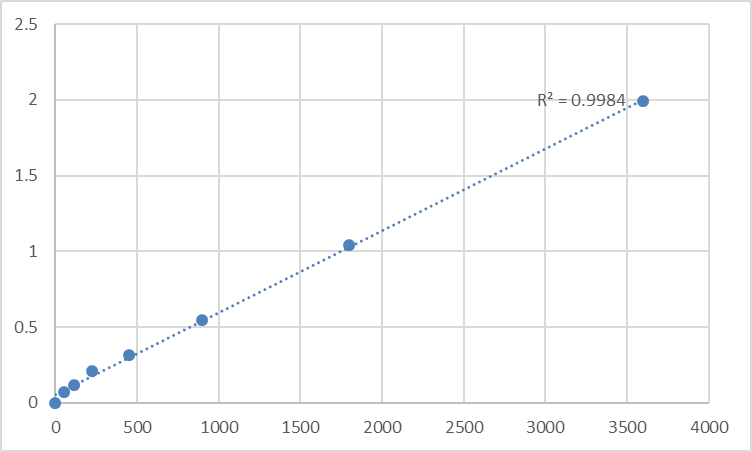
The dynamic landscape of cellular signaling is governed by a sophisticated network of kinases, where tyrosine kinases act as master switches, turning critical pathways on and off. Among these, the non-receptor tyrosine kinase Src-related kinase lacking C-terminal regulatory tyrosine and N-terminal myristoylation sites (SRMS), a member of the BRK family of kinases, has emerged from relative obscurity to become a protein of significant interest in cell biology and oncology. Unlike its more famous cousins in the Src family, SRMS possesses a unique structure and is implicated in regulating diverse cellular processes, including cell proliferation, differentiation, migration, and survival. Its expression and activity are being scrutinized in contexts ranging from breast cancer and other malignancies to immune cell function. However, studying this elusive kinase has been hampered by the lack of robust, quantitative tools. The Human Tyrosine-protein kinase Srms (SRMS) ELISA Kit (KTE60361) from Abbkine changes this paradigm. This highly sensitive and specific enzyme-linked immunosorbent assay (ELISA) provides researchers with a reliable, quantitative, and high-throughput method to accurately measure SRMS protein levels in complex biological samples like cell lysates, tissue homogenates, and possibly serum. By delivering precise concentration data, this kit empowers investigations into SRMS expression dynamics, its role in disease pathogenesis, and its potential as a biomarker or therapeutic target.
SRMS: A Distinct Player in the Tyrosine Kinase Arena
SRMS stands out within the BRK family kinases due to its unique domain architecture—it lacks the C-terminal regulatory tyrosine present in other members, suggesting distinct regulatory mechanisms. Primarily localized in the cytoplasm and nucleus, SRMS has been shown to phosphorylate various substrates, influencing key signaling cascades. Research indicates it can interact with and modify proteins involved in cytoskeletal organization, transcription regulation, and RNA processing. While its full physiological role is still being mapped, evidence points to its involvement in epidermal growth factor receptor (EGFR) signaling pathways and the DNA damage response. Perhaps most compelling is its association with cancer. Altered expression of SRMS has been observed in several cancer types. Studies suggest it may function as a context-dependent oncogene or tumor suppressor; for instance, in some breast cancers, elevated SRMS levels correlate with poor prognosis, while in other settings, it may inhibit cell growth. This duality makes precise quantification of its expression levels critical for understanding its function. Furthermore, investigating SRMS in immune cells and during development adds layers to its biological significance. Therefore, the ability to accurately measure SRMS protein concentration is fundamental for: elucidating its normal biological function, deciphering its role in oncogenesis, exploring its utility as a diagnostic or prognostic biomarker, and screening for compounds that modulate its expression or activity.
Assay Principle: The Power of Sandwich ELISA for Specific Detection
The Human SRMS ELISA Kit employs a sandwich enzyme-linked immunosorbent assay (ELISA) technique, the gold standard for specific protein quantification. This method uses two highly specific antibodies that bind to different epitopes on the SRMS protein, ensuring exceptional specificity and minimizing cross-reactivity with other proteins, even closely related kinases. The process unfolds on a 96-well plate pre-coated with a capture antibody:
- Capture: The SRMS antigen present in the sample or standard is captured by the immobilized antibody on the plate.
- Detection: After washing away unbound material, a biotin-conjugated detection antibody specific to a different epitope on SRMS is added, forming an antibody-antigen-antibody "sandwich."
- Signal Amplification: Streptavidin-Horseradish Peroxidase (SA-HRP) is added, which binds with high affinity to the biotin on the detection antibody.
- Color Development and Quantification: A colorless substrate solution (TMB) is added. The HRP enzyme catalyzes its conversion to a blue-colored product, which turns yellow upon addition of a stop solution. The intensity of this yellow color, measured by its absorbance at 450 nm, is directly proportional to the amount of SRMS captured in the initial step, and thus to its concentration in the original sample.
This design offers superior advantages over semi-quantitative methods like western blotting, providing true quantitative data (in pg/mL or ng/mL), higher throughput, better reproducibility, and a wider dynamic range, all with less hands-on time and technical variability.
Key Features and Advantages of the Human SRMS ELISA Kit
• High Sensitivity and Specificity: The sandwich ELISA format, utilizing matched antibody pairs, ensures minimal cross-reactivity and high specificity for human SRMS. The kit can detect very low levels of the target protein, making it suitable for samples where SRMS expression may be modest.
• Ready-to-Use Convenience: All reagents are provided pre-optimized, pre-diluted, and ready to use, significantly reducing preparation time and potential pipetting errors. This includes pre-coated microplate strips, standards, detection antibodies, assay buffers, and substrate solutions.
• Broad Dynamic Range: The kit features a convenient set of recombinant human SRMS protein standards, allowing the generation of a standard curve across a wide concentration range. This ensures accurate quantification of SRMS levels in diverse samples, from those with very low to relatively high expression.
• Excellent Reproducibility: The optimized protocol and matched antibody pairs deliver high intra-assay and inter-assay precision, ensuring consistent and reliable results that are crucial for longitudinal studies and data comparison across experiments.
• Flexible Sample Compatibility: The kit is validated for the quantification of SRMS in a variety of human-derived sample types, including:
◦   Cell Culture Supernatants: To study secreted or shed SRMS (if applicable).

◦   Cell Lysates: From cancer cell lines, primary cells, or transfected cells.

◦   Tissue Homogenates: From tumor biopsies, xenograft models, or normal tissues.

◦   Serum or Plasma: For potential biomarker discovery studies (may require validation and specific sample preparation).
• Streamlined, Time-Efficient Workflow: The total assay time is significantly shorter than western blotting. The protocol involves simple steps: sample/standard addition, incubation with detection antibodies and enzyme conjugate, substrate development, and reading. A full plate of samples can be processed in approximately 4-5 hours.
Diverse Applications in Biomedical Research
- Cancer Research and Oncology: Quantify SRMS expression levels in primary tumor tissues, metastatic lesions, and paired normal tissues to investigate its correlation with cancer stage, grade, and patient survival. Analyze its expression in various cancer cell lines under different treatment conditions (e.g., chemotherapy, targeted therapy).
- Signal Transduction Studies: Measure changes in SRMS protein levels in response to growth factor stimulation (e.g., EGF), cellular stress, or pathway-specific inhibitors to delineate its role in specific signaling networks.
- Biomarker Discovery and Validation: Assess SRMS levels in patient serum, plasma, or other biofluids as a potential non-invasive diagnostic or prognostic marker for specific cancers or other diseases. This requires rigorous clinical validation.
- Drug Discovery and Development: Utilize the ELISA as a high-throughput screening tool to identify small molecules, biologics, or natural compounds that upregulate or downregulate SRMS expression in cellular models.
- Gene Function Studies: Compare SRMS protein levels in cells with SRMS gene knockdown (siRNA/shRNA) or overexpression to confirm the phenotypic effects observed at the protein level.
- Basic Cell Biology: Investigate SRMS expression during cell cycle progression, differentiation programs, or in response to DNA damage to understand its fundamental cellular functions.
Straightforward Four-Step Protocol
Step 1: Sample and Standard Preparation. Dilute cell culture supernatants, lysates, or tissue homogenates in the provided sample diluent. Prepare the serial dilutions of the recombinant SRMS standard according to the protocol to generate a standard curve.
Step 2: Antigen Capture and Detection. Add standards, samples, and blank controls to the appropriate wells of the pre-coated plate. Incubate to allow SRMS binding. After washing, add the biotin-conjugated detection antibody, followed by another incubation and wash step. Then, add the Streptavidin-HRP conjugate.
Step 3: Signal Development. After a final wash, add the TMB substrate solution to all wells and incubate in the dark. The blue color will develop. Add the stop solution to terminate the reaction, which turns the color yellow.
Step 4: Measurement and Analysis. Measure the absorbance of each well at 450 nm using a microplate reader within 30 minutes of stopping the reaction. Generate a standard curve by plotting the mean absorbance for each standard against its concentration. Use this curve to interpolate the exact concentration of SRMS in each unknown sample.
Why This Kit is a Critical Tool for Kinase Researchers
• Fills a Methodological Gap: It provides the first dedicated, quantitative solution for measuring human SRMS protein levels, moving beyond qualitative or inferred data from mRNA studies or non-specific assays.
• Designed for Robust Science: The sandwich ELISA format ensures high specificity and sensitivity, reducing false positives and enabling the detection of SRMS in complex matrices, which is essential for biologically relevant findings.
• Accelerates Discovery: The 96-well format and streamlined protocol enable the processing of dozens of samples in a single run, dramatically increasing throughput for screening applications, patient cohort studies, and time-course experiments compared to gel-based methods.
• Generates Publication-Ready Data: The assay delivers precise, numerical concentration values that are easily statistically analyzed, graphed, and reported, strengthening the evidence base for your research.
• Backed by Abbkine's Quality: As part of Abbkine's extensive portfolio of immunoassays, this kit is developed with high-quality antibodies and undergoes rigorous validation to ensure performance and reliability.
Transition from detecting presence to measuring precise abundance. The Human Tyrosine-protein kinase Srms (SRMS) ELISA Kit (KTE60361) is your specific, sensitive, and quantitative gateway to unraveling the functions and implications of this intriguing kinase in health and disease.
Product Reference: KTE60361 – Human Tyrosine-protein kinase Srms (SRMS) ELISA Kit
Learn more and order: https://www.abbkine.com/product/human-tyrosine-protein-kinase-srms-srms-elisa-kit-kte60361/





