




Human SPRR2A ELISA Kit: Your Top Questions Answered About This Dual-Function Protein
H3: What is SPRR2A and why is it important?
Small proline-rich protein 2A (SPRR2A) is a dual-function protein that sits at the crossroads of barrier integrity and cancer progression[reference:45]. It is a component of the cornified envelope in stratified squamous epithelia, contributing to skin barrier function. However, SPRR2A is also emerging as a cancer-associated protein with roles in tumor progression and metastasis[reference:46].
H3: What sample types are compatible with this kit?
The Human SPRR2A ELISA Kit is compatible with:
- Serum and plasma[reference:47]
- Cell culture supernatants[reference:48]
- Tissue lysates[reference:49]
- Other biological fluids[reference:50]
H3: How does the detection work?
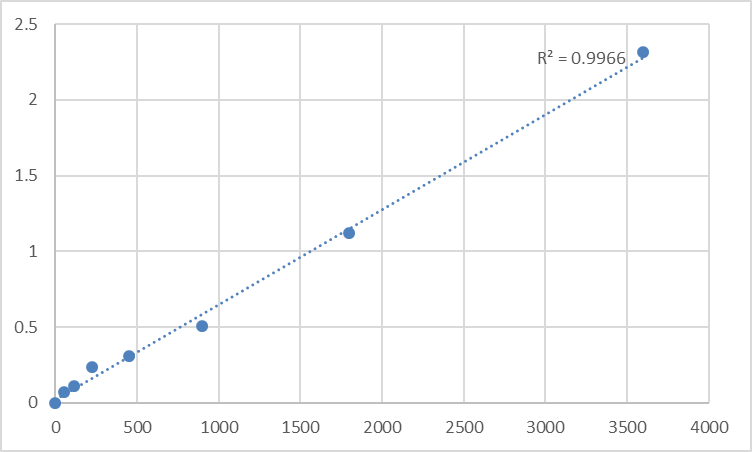
The kit employs a two-site sandwich ELISA to quantitate SPRR2A in samples[reference:51]. An antibody specific for SPRR2A has been pre-coated onto a microplate[reference:52]. Standards and samples are pipetted into the wells, and any SPRR2A present is bound by the immobilized antibody. After removing unbound substances, a biotin-conjugated detection antibody specific for SPRR2A is added, followed by streptavidin-HRP[reference:53]. Color develops in proportion to the amount of SPRR2A bound[reference:54].
H3: What are the key features of this kit?
- High sensitivity and excellent specificity for detection of Human SPRR2A[reference:55]
- No significant cross-reactivity between Human SPRR2A and analogues[reference:56]
- Sandwich ELISA format—the gold standard for quantitative protein detection[reference:57]
- Broad sample compatibility—serum, plasma, cell culture supernatants, tissue lysates[reference:58]
H3: What research fields benefit from SPRR2A measurement?
- Cancer research — SPRR2A dysregulation in tumor progression[reference:59]
- Dermatology — skin barrier function and epidermal differentiation
- Inflammatory diseases — epithelial barrier dysfunction
- Wound healing — tissue repair and re-epithelialization
- Translational oncology — biomarker discovery and therapeutic targeting
H3: How should the kit be stored and handled?
- Store unopened kit at 2-8°C[reference:60]
- Allow all reagents to warm to room temperature for at least 30 minutes before opening[reference:61]
- Do not mix components from different kit lots[reference:62]
- Run samples and standards in duplicate or triplicate for optimal precision[reference:63]
👉 Quantify SPRR2A with precision. View Product





