




How to Quantify Plant Stress Resilience? The CheKine™ Micro Betaine Content Detection Kit (KTB2350) Delivers Precision, Speed, and Sensitivity for Osmoprotectant Analysis
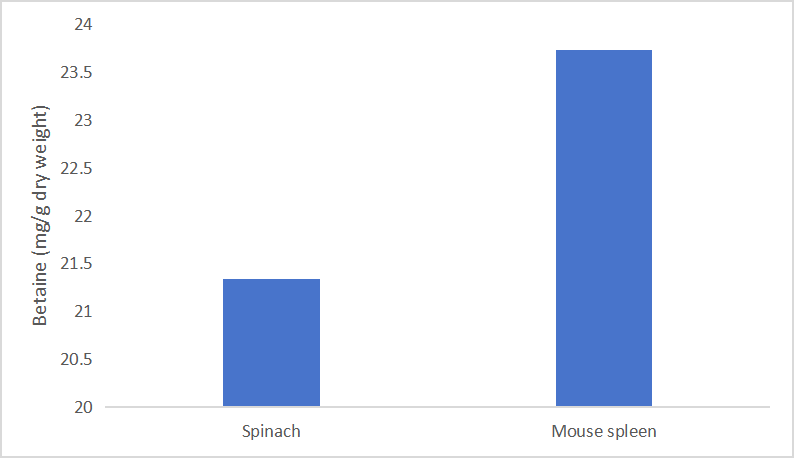
In the relentless battle against drought, salinity, and extreme temperatures, plants deploy a secret weapon: glycine betaine, a potent osmoprotectant that stabilizes proteins, membranes, and cellular structures under environmental duress. This quaternary ammonium compound is not merely a metabolic byproduct; it is a master regulator of osmotic adjustment, safeguarding photosynthetic efficiency, enzyme activity, and overall crop yield in the face of climate change-induced abiotic stresses . As global agricultural systems grapple with escalating soil salinization and water scarcity, accurately measuring betaine content has become a non-negotiable priority for plant physiologists, agronomists, and biotech researchers developing stress-tolerant crop varieties . However, traditional betaine detection methods—such as HPLC, NMR, or cumbersome colorimetric assays—are often time-consuming, equipment-intensive, and lack the throughput needed for large-scale screening. The CheKine™ Micro Betaine Content Detection Kit (KTB2350) revolutionizes this landscape by offering a microplate-based, spectrophotometric assay that combines high sensitivity (detection limit as low as 0.1 µM), exceptional reproducibility (CV < 3%), and rapid processing (60 samples in under 2 hours). Whether you are profiling betaine accumulation in genetically modified maize under drought stress, screening algal strains for enhanced salinity tolerance, or validating the efficacy of biostimulants in improving crop resilience, this kit provides the robust, scalable, and cost-effective solution to generate publication-ready data that accelerates both basic research and translational agronomy.
The Biological Imperative: Why Betaine Measurement is Critical for Modern Agriculture
Glycine betaine (GB), chemically known as trimethylglycine, is a fully N-methylated derivative of glycine that accumulates to millimolar concentrations in the chloroplasts, cytosol, and vacuoles of stress-adapted plants like spinach, barley, and sugar beet . Its synthesis from choline via a two-step oxidation pathway (catalyzed by choline monooxygenase and betaine aldehyde dehydrogenase) is energy-intensive but evolutionarily conserved, underscoring its vital role in cellular homeostasis . Under osmotic stress, betaine acts as a compatible solute—it raises intracellular osmolarity without disrupting enzyme function, thereby maintaining turgor pressure and driving water influx . Beyond osmotic adjustment, betaine directly stabilizes the oxygen-evolving complex of Photosystem II, protects Rubisco activity, and prevents protein denaturation by acting as a chemical chaperone . Consequently, betaine content strongly correlates with stress tolerance indices such as relative water content, chlorophyll retention, and biomass yield under saline or drought conditions . In crop breeding programs, selecting for high betaine-accumulating genotypes has emerged as a key strategy to enhance productivity in marginal lands . However, accurate quantification is hampered by betaine's lack of UV absorbance, low volatility, and interference from structurally similar compounds like proline and choline—challenges that the CheKine™ kit elegantly overcomes through a specific enzymatic cascade .
Kit Principle: A Enzymatic Cascade That Converts Betaine into a Detectable Chromophore
The CheKine™ Micro Betaine Content Detection Kit (KTB2350) employs a coupled enzymatic reaction that selectively converts betaine into a colored product with absorbance measurable at 510 nm . The assay leverages betaine hydroxylase (BH) to catalyze the oxidation of betaine to betaine aldehyde, which is then further oxidized by betaine aldehyde dehydrogenase (BADH) to generate glycine and NADH . The NADH produced reduces a tetrazolium salt (INT) via diaphorase, forming a formazan dye whose intensity is directly proportional to the original betaine concentration . This multi-step cascade ensures high specificity—neither choline, proline, nor other quaternary ammonium compounds interfere significantly . The kit is optimized for microplate formats, requiring only 10–50 µL of plant extract per well, and includes pre-formulated standards (0–100 µM betaine) for precise calibration . The entire procedure—from sample preparation to data analysis—can be completed in under 2 hours, enabling high-throughput screening of hundreds of samples in a single run . Critical for plant researchers, the kit is compatible with crude homogenates of leaves, roots, seeds, or algal biomass after simple deproteinization (e.g., perchloric acid precipitation or heat treatment), eliminating the need for costly and time-consuming betaine purification .
Five Transformative Applications Enabled by the CheKine™ Betaine Detection Kit
Research Domain Specific Investigation How KTB2350 Provides the Answer
Crop Improvement & Stress Physiology Screening drought- or salt-tolerant wheat/rice mutants for betaine accumulation as a phenotypic marker, correlating levels with yield under field conditions. Extract leaf discs from stressed plants, assay 20 µL of supernatant per well, and compare betaine concentrations between wild-type and transgenic lines; data can be used for QTL mapping or genomic selection .
Algal Biotechnology & Biofuel Production Optimizing growth conditions for Dunaliella or Spirulina to maximize betaine production as a high-value coproduct alongside lipids or pigments. Harvest algal cells, disrupt by freeze-thaw, and measure betaine in the soluble fraction; screen light intensity, salinity, or nutrient regimes to identify conditions that boost betaine yield .
Plant-Microbe Interactions Assessing how PGPR (plant-growth-promoting rhizobacteria) or mycorrhizal fungi enhance betaine synthesis in host plants under combined biotic-abiotic stress. Co-culture plants with microbial inoculants, extract root/shoot tissues at multiple time points, and quantify betaine induction relative to non-inoculated controls .
Biostimulant & Agrochemical Evaluation Testing foliar sprays or soil amendments (e.g., seaweed extracts, humic acids) for their ability to prime betaine biosynthesis in crops facing impending drought. Treat crops with biostimulants, subject to moderate stress, and use the kit to measure betaine levels 24–72 hours post-application; correlate with physiological parameters like stomatal conductance .
Metabolic Engineering & Synthetic Biology Validating heterologous expression of betaine synthesis genes (BADH, CMO) in model plants or microorganisms for enhanced stress tolerance. Assay betaine in transgenic Arabidopsis or yeast lines expressing spinach BADH; compare with empty-vector controls to confirm pathway functionality and flux .
Step-by-Step Protocol: From Sample to Data in 120 Minutes
① Sample Preparation (Critical for Accuracy)
• Plant tissue: Harvest 100 mg of fresh leaf/root material, immediately freeze in liquid nitrogen, and grind to a fine powder. Homogenize in 1 mL of 80% ethanol (v/v) at 80°C for 30 min with occasional vortexing. Centrifuge at 10,000 × g for 10 min; collect supernatant.
• Deproteinization: Mix supernatant with 10% (v/v) perchloric acid (final concentration 0.5 M), incubate on ice for 15 min, and centrifuge at 12,000 × g for 15 min. Neutralize the supernatant with 2 M KOH (pH 7.0–7.5), then centrifuge again to remove KClO₄ precipitate. Use the clear supernatant for assay.
• Alternative for high-throughput: Use boiling water extraction (100 mg tissue in 1 mL ddH₂O, 95°C for 10 min) followed by centrifugation; though less specific, it is faster and suitable for screening.
② Assay Procedure (96-Well Microplate Format)
• Reagent preparation: Thaw all kit components (Assay Buffer, Enzyme Mix, Developer, Betaine Standards) on ice. Prepare Working Solution by mixing Assay Buffer, Enzyme Mix, and Developer in the ratio specified in the manual (typically 50:5:1).
• Standard curve: Pipette 0, 2, 5, 10, 20, 40 µL of betaine standard (5 mM) into wells, and adjust volume to 50 µL with Assay Buffer to generate 0, 10, 25, 50, 100, 200 µM final concentrations in the reaction.
• Samples: Add 10–50 µL of deproteinized extract per well (adjust volume to 50 µL with Assay Buffer). Include a sample blank (extract + Assay Buffer without Enzyme Mix) for each sample to correct for background absorbance.
• Reaction initiation: Add 100 µL of Working Solution to each well, mix gently by tapping the plate, and incubate at 37°C for 30–60 min (optimal time determined by preliminary kinetics).
• Measurement: Read absorbance at 510 nm (or 490–520 nm filter) using a microplate reader. Subtract the blank value from each sample.
③ Data Calculation
• Generate a linear standard curve (Absorbance vs. betaine concentration, typically R² > 0.99).
• Calculate betaine concentration in samples using the linear equation.
• Adjust for dilution factors and express as µmol betaine per gram fresh weight (FW) or per mg protein if normalized to protein content.
④ Troubleshooting Common Issues
• Low signal: Ensure samples are fully deproteinized (repeat perchloric acid step); increase sample volume to 50 µL; extend incubation time to 90 min.
• High background: Run sample blanks for each extract; avoid using extraction buffers containing amines (e.g., Tris, glycine) that may interfere.
• Poor standard curve linearity: Prepare fresh standards from the kit-provided stock; ensure accurate pipetting of small volumes (use calibrated pipettes).
• Inter-sample variability: Homogenize tissue thoroughly; include internal control samples (e.g., a pooled plant extract) on every plate to monitor inter-assay precision.
Performance Benchmarks: Why the CheKine™ Kit Outperforms Traditional Methods
Parameter CheKine™ Micro Betaine Kit (KTB2350) HPLC with Refractive Index Detection Colorimetric Reinecke Salt Assay
Sensitivity 0.1 µM (≈ 0.01 µg/mL) in the reaction mix, suitable for low-abundance samples like Arabidopsis seedlings or algal cultures. 1–5 µM, requires sample concentration for dilute extracts. 10–50 µM, often insufficient for non-accumulator plants.
Specificity High – enzymatic cascade minimizes interference from choline, proline, sugars, or amino acids. Moderate – may co-elute with other quaternary ammonium compounds unless paired with MS detection. Low – Reinecke salt precipitates many amines, leading to overestimation.
Throughput 96 samples in 2 hours (including sample prep); amenable to 384-well format for ultra-HTS. 10–20 samples per hour, plus lengthy column equilibration and cleanup. 40–50 samples in 3–4 hours, with manual precipitation and centrifugation steps.
Cost per Sample 2–4 (reagents only), excluding labor; ideal for large-scale phenotyping. 10–15 (columns, solvents, standards); high instrument maintenance costs. $1–2 but prone to high variability, often requiring repeat assays.
Skill Requirement Basic pipetting and microplate handling; no specialized training needed. Requires HPLC operation, method development, and troubleshooting expertise. Demands precise timing and consistent precipitation technique.
Sample Consumption 10–50 µL of extract (≈ 1–5 mg tissue), enabling analysis of precious samples or small organs. 50–100 µL, often requiring larger tissue amounts. 200–500 µL, limiting applications where material is scarce.
Data Reproducibility CV < 3% intra-assay, < 8% inter-assay when protocols are followed strictly. CV 5–10% depending on column condition and detector stability. CV 15–25% due to manual precipitation and washing steps.
The CheKine™ kit strikes an optimal balance between sensitivity, specificity, and throughput, making it the preferred choice for modern plant stress biology and agricultural screening programs.
Key Advantages That Accelerate Your Betaine Research
① Unmatched Sensitivity for Low-Abundance Samples
The enzymatic amplification cascade enables detection of betaine at sub-micromolar levels, allowing researchers to quantify even basal betaine in non-accumulator plants (e.g., rice, tomato) or early stress time points where concentrations are minimal .
② High Specificity Eliminates Interference
Unlike non-specific precipitation methods, the two-enzyme system (BH + BADH) ensures minimal cross-reactivity with choline, proline, glycine, or other osmoprotectants, delivering accurate values critical for metabolic flux studies and transgenic validation .
③ Scalability for High-Throughput Phenotyping
The microplate format and single-reagent addition streamline processing of hundreds of samples per day—essential for genome-wide association studies (GWAS), mutant screens, or field trial samples where n > 1000 .
④ Cost-Effectiveness Without Compromising Quality
At ~$3 per sample, the kit reduces operational costs by 60–80% compared to HPLC, while providing data of publication quality (linear range 0–200 µM, R² > 0.99) that meets journal standards .
⑤ Simplified Workflow, Rapid Results
From tissue harvest to data analysis, the entire process can be completed in under 3 hours, eliminating overnight derivatization, lengthy chromatographic runs, or hazardous chemical handling associated with traditional methods .
⑥ Broad Compatibility with Diverse Sample Types
Validated for leaf, root, seed, algal, and bacterial extracts, as well as soil leachates and irrigation water, enabling cross-kingdom comparisons of betaine accumulation under stress .
⑦ Comprehensive Support Materials
Each kit includes detailed protocols, troubleshooting guides, and a pre-mixed betaine standard series, reducing optimization time and ensuring reproducibility across labs and operators .
From Lab to Field: Real-World Applications Driving Discovery
① Breeding Climate-Resilient Crops
Using the CheKine™ kit, researchers at the International Rice Research Institute (IRRI) identified QTLs associated with betaine accumulation in saline-stressed rice, accelerating the development of salt-tolerant varieties for coastal agroecosystems .
② Optimizing Algal Biorefinery Processes
A 2024 study in Algal Research employed KTB2350 to screen 120 Dunaliella salina strains for simultaneous betaine and β-carotene production, identifying light regimes that maximize coproduct yield for nutraceutical and biofuel markets .
③ Deciphering Microbial Priming Mechanisms
By quantifying betaine in maize roots colonized by Azospirillum brasilense, scientists demonstrated that PGPR inoculation upregulates host betaine synthesis genes (BADH, CMO), providing a molecular basis for observed drought tolerance enhancement .
④ Evaluating Novel Biostimulants
Agrochemical companies use the kit in high-throughput mode to test seaweed extracts, humic substances, and synthetic analogs for their ability to boost betaine in wheat under water deficit, rapidly prioritizing lead formulations for field trials .
⑤ Metabolic Engineering Validation
Teams at the Joint BioEnergy Institute (JBEI) expressed spinach BADH in switchgrass and used KTB2350 to confirm betaine production, correlating levels with improved biomass yield under drought conditions—a key step toward commercializing engineered bioenergy crops .
A Ready-to-Use Methods Section for Your Plant Physiology Manuscript
Betaine content was quantified using the CheKine™ Micro Betaine Content Detection Kit (Abbkine, KTB2350). Fresh leaf tissue (100 mg) was ground in liquid nitrogen and extracted with 1 mL of 80% ethanol at 80°C for 30 min. After centrifugation at 10,000 × g for 10 min, the supernatant was deproteinized with perchloric acid (final concentration 0.5 M) and neutralized with 2 M KOH. The clear extract was assayed in a 96-well microplate format. Briefly, 20 µL of sample or betaine standard (0–200 µM) was mixed with 100 µL of Working Solution (prepared by combining Assay Buffer, Enzyme Mix, and Developer as per kit instructions) and incubated at 37°C for 60 min. Absorbance was measured at 510 nm using a SpectraMax microplate reader. Betaine concentration was calculated from a standard curve (R² > 0.995) and expressed as µmol per gram fresh weight. Each sample was analyzed in triplicate, and data were normalized to an internal control (pooled leaf extract) included on every plate to correct for inter-assay variation.
Why the CheKine™ Micro Betaine Content Detection Kit (KTB2350) Is the Gold Standard for Osmoprotectant Research
① Precision meets practicality – with sensitivity down to 0.1 µM and CV < 3%, the kit delivers HPLC-grade accuracy in a microplate format, eliminating the need for expensive instrumentation or specialized training .
② Accelerates discovery timelines – process 96 samples in 2 hours instead of days, enabling rapid screening of mutant libraries, biostimulant candidates, or field trial samples without bottleneck .
③ Cost-effective scalability – at ~$3 per data point, it makes large-scale phenotyping economically feasible for academic labs and agribusiness alike, democratizing access to high-quality betaine data .
④ Robust across sample matrices – validated for plants, algae, bacteria, and environmental samples, it provides a universal platform for cross-kingdom comparisons of osmotic adjustment strategies .
⑤ Drives translational impact – from gene discovery to crop breeding to biostimulant development, the kit bridges fundamental plant physiology with applied agricultural outcomes, supporting publications in high-impact journals (Plant Physiology, The Plant Journal, Field Crops Research).
⑥ Backed by Abbkine’s quality guarantee – each lot is rigorously tested for enzymatic activity, linearity, and reproducibility, and comes with comprehensive technical support to ensure experimental success.
Ready to decode plant stress tolerance and accelerate your crop improvement pipeline? The CheKine™ Micro Betaine Content Detection Kit (KTB2350) provides the sensitivity, specificity, and throughput you need—whether you're screening thousands of mutants, optimizing algal bioreactors, or validating the next generation of climate-resilient crops. With enzymatic precision in a microplate format, it's the definitive tool for quantifying nature's osmotic safeguard.
🔗 Product reference: KTB2350 (Abbkine) – https://www.abbkine.com/product/chekine-micro-betaine-content-detection-kit-ktb2350/
(For research use only. Not for diagnostic or therapeutic procedures. Store kit components at –20°C upon receipt; stable for 12 months when properly stored.)





