




The Vitamin D3 Kit That Breaks the Single-Epitope Rule — And Why It Matters for Your Next Study
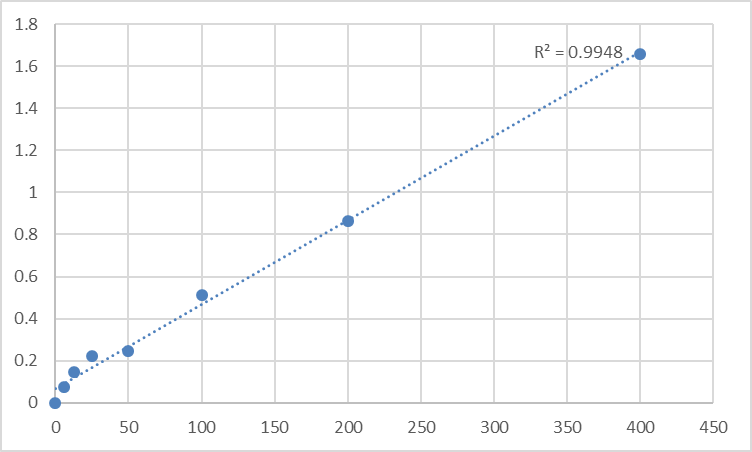
There is a quiet analytical crisis in the measurement of human Vitamin D3 (VD3). For most of the past four decades, the standard workhorse for detecting small molecules has been the competitive ELISA, a format that relies on a fixed amount of enzyme-labeled antigen competing with the sample analyte for a limited number of antibody binding sites. In this system, the signal is inversely proportional to the analyte concentration—the darker the well, the less target you actually have. While biochemically clever, competitive formats suffer from inherently lower sensitivity, narrow dynamic ranges, and signal inversion that distorts standard curves at the upper and lower ends of the detection window. A 2024 review published in Analytical Chemistry confirmed that sensitivities of competitive immunoassays are obviously lower than the sandwich enzyme-linked immunosorbent assay generally adaptable for protein targets, and noted that small molecules—including vitamins and steroid hormones—have historically been excluded from sandwich detection because of their single-epitope limitation.
Abbkine’s Human Vitamin D3 (VD3) ELISA Kit (KTE60063) discards the competitive format entirely and replaces it with something that, until recently, most analytical chemists would have told you was impossible for a molecule of VD3’s size: a true two-site sandwich ELISA. The assay architecture is straightforward. An antibody specific for VD3 is pre-coated onto the microplate. Standards and samples are added, and any VD3 present binds to the immobilized capture antibody. Unbound material is washed away. A biotin-conjugated detection antibody recognizing a distinct epitope on the VD3 molecule is then introduced, followed by streptavidin-HRP. After a final wash step, a chromogenic substrate generates a color signal directly proportional to the amount of VD3 captured in the initial binding event. The absorbance reads on any standard visible-wavelength microplate reader in 3–5 hours, and the linear signal tracks the analyte concentration rather than inverting it. For the researcher who has spent weeks troubleshooting a competitive VD3 ELISA whose lower detection limit drifts unpredictably across sample types, the shift from inverse signal to direct proportionality is not a technical footnote; it is the difference between a standard curve you can defend at a lab meeting and a standard curve that falls apart when the reviewer asks for individual data points.
This sandwich architecture puts KTE60063 in a small but growing category of non-competitive small-molecule immunoassays that have begun to transform what is possible in vitamin quantification. A 2023 analytical chemistry breakthrough study had demonstrated that obtaining a pair of antibodies capable of binding a small molecule simultaneously is a formidable challenge, a feat historically considered improbable given the single-epitope nature of such analytes. Abbkine’s kit achieves exactly this antibody pairing: high sensitivity and excellent specificity for detection of human VD3, with no significant cross-reactivity or interference between human VD3 and structural analogues. This is not merely incremental. It places the kit’s design philosophy squarely at the frontier of immunoassay innovation, where the performance gap between protein-level sandwich ELISAs and small-molecule competitive ELISAs is finally closing.
The biomedical context in which KTE60063 operates magnifies the importance of its analytical architecture. Vitamin D3 (cholecalciferol) is not merely a nutritional biomarker; it is a secosteroid hormone whose metabolic product, 25-hydroxyvitamin D3, functions as the principal systemic indicator of vitamin D status, influencing calcium homeostasis, bone mineralization, innate and adaptive immune responses, and cellular proliferation control. Serum 25(OH)D values below 10 nmol/L are considered profoundly deficient and are often reported as missing in large-scale epidemiological studies because conventional assays cannot reliably distinguish signal from noise at those levels. A 2025 study in the UK Biobank, one of the largest prospective cohorts ever assembled, found that the prevalence of profound vitamin D deficiency is alarmingly high among Asian and Black ethnicities in the UK and requires targeted action. In oncology, VD3 deficiency has been increasingly associated with worse outcomes in breast and colorectal cancer, while in endocrinology the Endocrine Society’s clinical practice guidelines have established 25(OH)D ≤ 20 ng/mL (50 nmol/L) as the threshold for vitamin D deficiency, recommending supplementation when levels fall below this cutoff. In geriatric medicine, a 2025 Abbkine research blog highlighted a study linking VD3 deficiency to sarcopenia in older adults, reinforcing the vitamin’s functional significance in aging biology and muscle homeostasis. None of these clinical and translational questions can be answered with analytical confidence if the assay itself compresses the lower end of the detection range into an unreadable flat line—which is precisely what competitive VD3 kits with inverse signal curves tend to do.
Sample type compatibility further extends the kit’s research utility. KTE60063 accepts serum, plasma, cell culture supernatants, and other biological fluids. This breadth means a single kit can track systemic VD3 levels in serum from a nutritional epidemiology cohort, monitor intracellular VD3 concentrations in a hepatocyte or adipocyte model treated with cholecalciferol, or quantify VD3 in conditioned medium from kidney proximal tubule cells expressing CYP27B1, the enzyme that converts 25-hydroxyvitamin D3 to the active 1,25-dihydroxyvitamin D3 form. The ability to run all three sample types on the same assay platform, with the same standard curve, eliminates the matrix-specific normalization protocols that fragment multi-compartment vitamin D studies.
The kit components ship as a complete sandwich ELISA package, ready for same-day deployment: Human VD3 microplate, Human VD3 standard, Human VD3 detect antibody, Streptavidin-HRP, standard diluent, assay buffer, HRP substrate, stop solution, wash buffer, and plate covers. The calibration range and limit of detection are specified as "please inquire," which, while not disclosed on the product page, is standard for recently launched kits whose dynamic range specifications are documented in the package insert and validated against biological matrices that vary in endogenous VD3 content. The unopened kit stores at 2–8°C, requiring no -20°C freezer space and subjecting the pre-coated capture antibody to none of the freeze-thaw cycling that progressively degrades binding affinity in kits stored under suboptimal conditions. Shipping occurs on gel packs with blue ice.
The protocol notes reflect practical ELISA discipline rather than generic disclaimers. All reagents must equilibrate to room temperature for at least 30 minutes before opening—thermal equilibration that prevents condensation on cold reagent vials from altering concentration. Pipette tips must be pre-rinsed and replaced between samples, standards, and reagents to prevent carryover contamination. Thorough mixing every 10 minutes using a low-frequency oscillator or gentle hand shaking is specified as crucial for consistent color development. All standards and samples should be assayed in duplicate or triplicate. Do not mix components from different kit lots or use reagents beyond the kit expiration date. Unused wells must be kept desiccated at 4°C in the sealed bag provided. These are the standard operating procedures that separate a standard curve with an R² above 0.99 from a dataset a reviewer will question.
The product is for research use only and is not intended for use in human or clinical diagnosis—a specification stated clearly in the product documentation. Yet within that research domain, it delivers something that the vitamin D research community has been waiting for: a sandwich ELISA for a small-molecule vitamin that eliminates the inverse signal dynamics, the narrow dynamic range, and the cross-reactivity concerns that competitive VD3 kits have inherited from an earlier era of immunoassay design.
For the epidemiologist quantifying VD3 in serum from a multi-ethnic cohort where deficiency prevalence must be measured with confidence down to sub-10 nmol/L concentrations, the nutritional biochemist comparing vitamin D metabolite ratios as diagnostic criteria for functional versus absolute deficiency, the cancer biologist investigating vitamin D receptor signaling and its relationship to tumor proliferation, the geriatrician studying VD3 status as a modifiable risk factor for sarcopenia and falls, or the basic scientist performing any experiment in which vitamin D status must be measured with the same analytical rigor as a protein biomarker, the arrival of a true sandwich ELISA for VD3 changes the experimental options. The sunshine vitamin, long confined to the analytical limitations of competitive immunoassays, can now be measured with a format that matches the linearity, specificity, and sensitivity that protein-level sandwich ELISAs have always provided.
Explore full specifications, access the protocol, and place your order here: https://www.abbkine.com/product/human-vitamin-d3-vd3-elisa-kit-kte60063/





