




Anti-Lamin B1 Monoclonal Antibody (15T1) (ABL1090): A Specialized Nuclear Internal Control for Rigorous Immunoassays
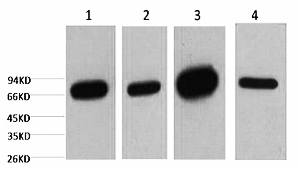
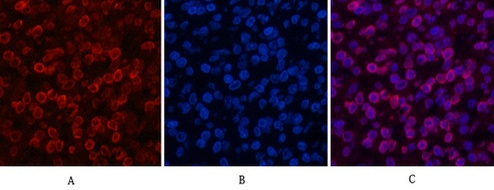
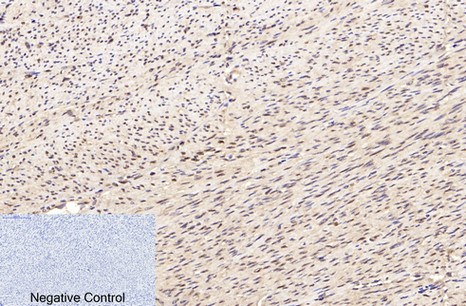
The Nuclear Control Problem
Nuclear internal controls are indispensable for validating experimental results in cell biology, oncology, and translational research—especially in studies focusing on nuclear structure, cell cycle regulation, or oncogenic transformation[reference:124]. Conventional internal control antibodies often fall short in nuclear-targeted research: cytoplasmic markers like β-actin or GAPDH fail to reflect nuclear protein loading, while non-specific nuclear antibodies suffer from cross-reactivity with other lamins or chromatin proteins[reference:125].
Monoclonal Specificity for Lamin B1
ABL1090's technical distinction lies in its monoclonal specificity for Lamin B1, a core component of the nuclear lamina with stable expression across human, mouse, and rat[reference:126]. The 15T1 clone targets a conserved epitope on the Lamin B1 protein (≈68 kDa), ensuring exclusive binding to the target without cross-reacting with other lamin isoforms (e.g., Lamin A/C) or cytoplasmic proteins[reference:127].
Four-Application Versatility
ABL1090 is compatible with four key immunoassays[reference:128]:
| Application | Purpose |
|---|---|
| Immunofluorescence (IF) | Visualize nuclear lamina structure[reference:129] |
| Immunohistochemistry (IHC) | Map nuclear protein expression in tissues[reference:130] |
| Immunoprecipitation (IP) | Purify nuclear protein complexes[reference:131] |
| Western Blot (WB) | Quantify nuclear protein expression[reference:132] |
Recommended Dilutions
For IF experiments, dilute ABL1090 to 1:200–1:400 in blocking buffer and incubate at 4°C overnight—this ensures uniform staining of the nuclear lamina without cytoplasmic background[reference:133].
Industry Trend: Nuclear-Specific Controls on the Rise
Industry data indicates that the adoption of nuclear-specific internal controls has increased by 38% over the past five years, aligning with the expansion of nuclear biology research[reference:134]. ABL1090's tailored design positions it at the forefront of this trend[reference:135].
Product Specifications
| Parameter | ABL1090 |
|---|---|
| Target | Lamin B1 (LMNB1)[reference:136] |
| Clone | 15T1[reference:137] |
| Host | Mouse[reference:138] |
| Reactivity | Human, Mouse, Rat[reference:139] |
| Applications | WB, IHC-P, IF, IP[reference:140] |
| Molecular Weight | ~68 kDa[reference:141] |
The Bottom Line
For researchers investigating laminopathies, nuclear envelope disorders, or any nuclear-focused biology, ABL1090 fills the critical gap that cytoplasmic internal controls cannot address[reference:142].
📎 Reference: Anti-Lamin B1 Monoclonal Antibody (15T1) (ABL1090)





