




Anti-GAPDH Mouse Monoclonal Antibody (2B5) (ABL1020): The Definitive GAPDH Loading Control for Immunoassays
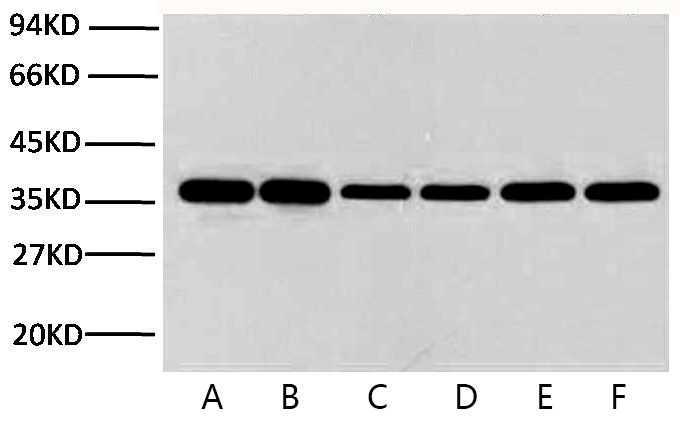
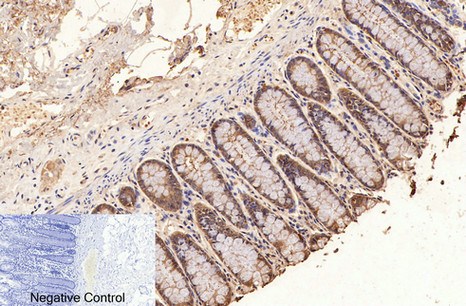
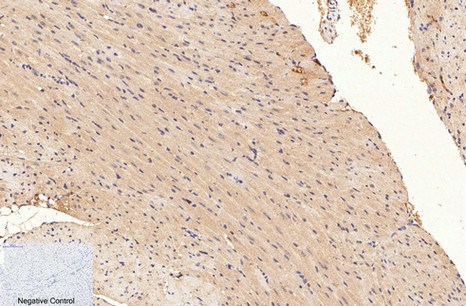
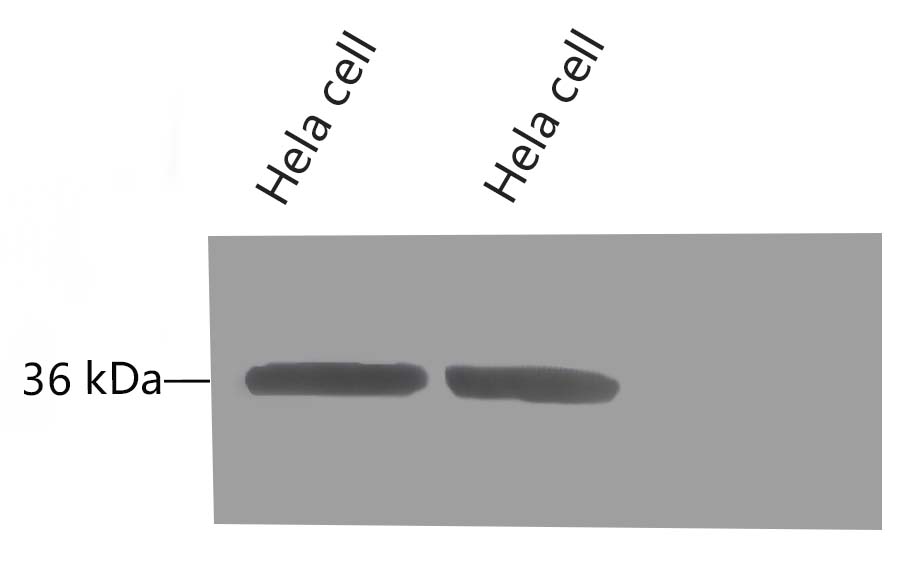
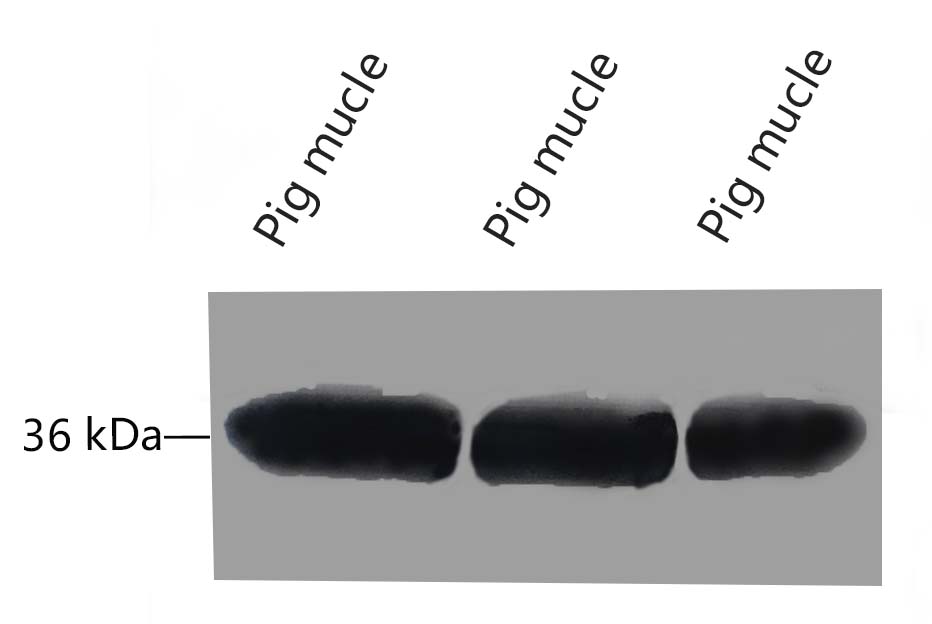
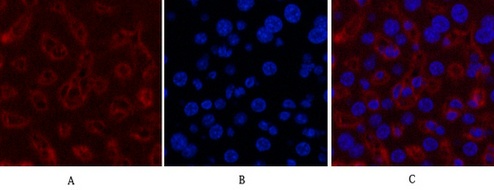
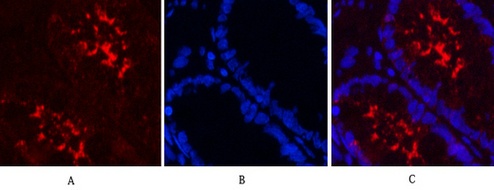
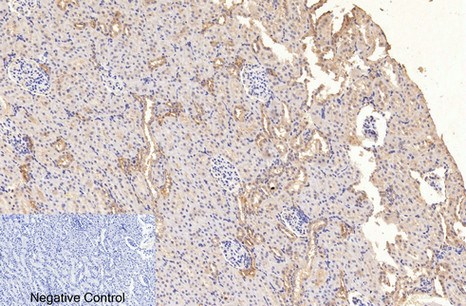
GAPDH: The Glycolytic Gold Standard
GAPDH (Glyceraldehyde-3-Phosphate Dehydrogenase), a housekeeping enzyme essential for glycolysis, has emerged as the gold standard internal control due to its constitutive expression across most cell types and minimal variability under physiological or experimental conditions[reference:41]. Yet, the utility of GAPDH as a control hinges entirely on the performance of the detection antibody[reference:42].
Exceptional Cross-Species Reactivity
ABL1020 demonstrates remarkable reactivity across 11 species including Chicken, Dog, Hamster, Human, Monkey, Mouse, Pig, Rabbit, Rat, Sheep, and Yeast[reference:43]. This breadth makes it an indispensable tool for multi-species studies.
Monoclonal Specificity: The 2B5 Clone
As a mouse monoclonal antibody (clone 2B5), ABL1020 delivers consistent, reproducible results with minimal lot-to-lot variability[reference:44]. Each vial contains antibody at 1 mg/mL concentration in liquid PBS (pH 7.4)[reference:45][reference:46].
Trusted by the Scientific Community
| Metric | Value |
|---|---|
| Citations | 40+[reference:47] |
| Product Views | 5,774+[reference:48] |
| Applications | Immunoassay internal control[reference:49] |
Why Choose ABL1020?
| Feature | ABL1020 | Generic Competitors |
|---|---|---|
| Clonality | Monoclonal (2B5) | Variable |
| Species Reactivity | 11 species[reference:50] | Often limited to 2–3 species |
| Concentration | 1 mg/mL[reference:51] | Variable |
| Citations | 40+[reference:52] | Often unvalidated |
The Bottom Line
Labeled "Hot" for its widespread adoption, ABL1020 combines exceptional cross-species reactivity, multi-application validation, and monoclonal specificity—addressing the core challenges researchers face when implementing internal controls[reference:53].
📎 Reference: Anti-GAPDH Mouse Monoclonal Antibody (2B5) (ABL1020)





