




CheKine™ Micro ACL Activity Assay Kit: Your Top Questions Answered
H3: What is ATP citrate lyase (ACL) and why does it matter?
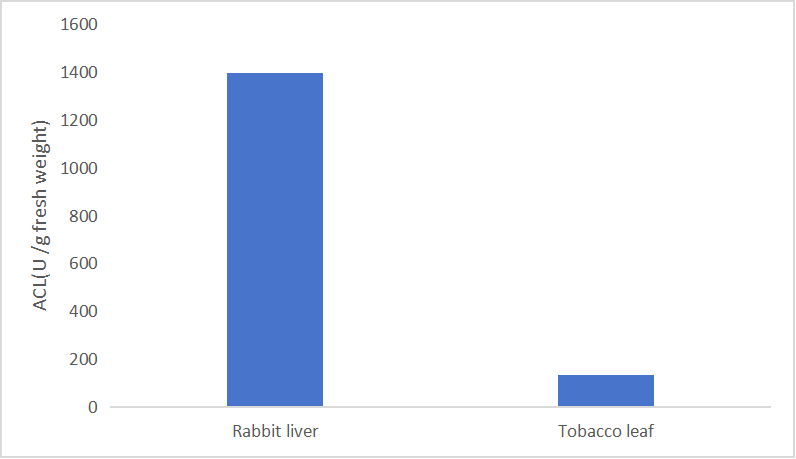
ATP citrate lyase (ACL, EC 2.3.3.8) is the enzyme that catalyzes the conversion of citrate and CoA to acetyl-CoA and oxaloacetate, using ATP as an energy source. This reaction links carbohydrate metabolism to lipid synthesis—it's the bridge between the TCA cycle and de novo lipogenesis. ACL is highly expressed in lipogenic tissues like liver and adipose tissue, and its activity is upregulated in many cancers to support lipid biosynthesis for membrane production and signaling.
H3: Why is ACL a hot topic in cancer research?
ACL is the primary source of acetyl-CoA for fatty acid synthesis in cancer cells. Tumor cells rely on de novo lipogenesis for membrane biogenesis, protein palmitoylation, and epigenetic regulation through histone acetylation. ACL inhibition is being explored as a therapeutic strategy in多种 cancers, making ACL activity measurement essential for drug discovery and mechanistic studies.
H3: What sample types are compatible with this kit?
The kit is compatible with:
- Animal tissues (liver, adipose tissue, brain)
- Cell lysates (adherent and suspension cells)
- Plant tissues
- Microorganisms
H3: How does the ACL activity detection work?
The kit measures ACL activity by coupling the ACL reaction to a downstream enzymatic cascade. ACL converts citrate and CoA to acetyl-CoA and oxaloacetate. The oxaloacetate produced is then detected via a coupled enzyme system, typically through NADH oxidation or a colorimetric readout. The absorbance change is proportional to ACL activity.
H3: What research fields benefit from ACL measurement?
- Cancer metabolism — understanding lipogenesis in tumor progression
- Metabolic syndrome — studying hepatic lipogenesis in obesity and NAFLD
- Cardiovascular research — investigating lipid metabolism in atherosclerosis
- Drug discovery — screening ACL inhibitors for therapeutic development
- Epigenetics — studying acetyl-CoA availability for histone acetylation
H3: What are the critical tips for ACL activity measurement?
- Use fresh samples—ACL activity degrades with freeze-thaw cycles
- Keep samples on ice during preparation
- Optimize protein concentration—too high or too low can affect kinetics
- Include appropriate controls for ATP and CoA-dependent background
- Read kinetics immediately after adding substrate
👉 Measure ACL activity with confidence. View Product





