




Your CLP Serum LPS Read 40% Higher Than the Cohor Next Door — It's the β-Glucan in Your Mouse Chow Triggering LAL's G-Factor, Not the Cecal Ligation: Why KTE71161 (Mouse LPS ELISA) Retires the Horseshoe Crab
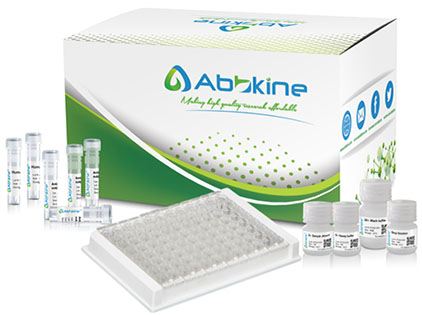
If you run sepsis, CLP (cecal ligation and puncture), or metabolic endotoxemia cohorts, you've almost certainly had this Monday-morning moment: you harvested C57BL/6 serum at 2 h post-CLP (double puncture, 21G), spun, aliquoted, sent 30 samples to the core for LAL (Limulus amebocyte lysate), and your "sham" group came back at 185 ± 62 ng/L while the neighboring bench's sham on the same mouse strain/chow/batch read 42 ± 18 ng/L — a 4.4× gap that makes your "CLP → LPS ↑ 80× vs. sham" look either spectacular or suspicious depending on which core you used. The culprit isn't the surgery — it's that LAL, the 60-year gold standard for LPS detection, has a silent G-factor pathway (β-glucan → Factor G → coagulation cascade independent of Factor C/LPS) that gets triggered by trace fungal cell-wall debris in mouse chow, bedding, or even the heparinized syringe you used for cardiac bleed. And on top of that, horseshoe crab blood (Limulus polyphemus) sourcing is under FDA/EP/USP pressure — USP <789> now recommends recombinant Factor C (rFC) as LAL replacement for biologics, and several journals/publishers (ATLA, Elsevier's 'Replace, Reduce, Refine' policy) are nudging labs away from Limulus-derived reagents entirely. The Mouse Lipopolysaccharides (LPS) ELISA Kit (KTE71161) from Abbkine is built to retire that LAL headache: sandwich ELISA (capture + detection targeting the Lipid A + core-oligosaccharide conserved region across E. coli/Salmonella/Enterobacteriaeceae, the LPS families mouse models actually use), range 20–320 ng/L (0.02–0.32 ng/mL), LOD 1.0 ng/L (1 pg/mL) — the latter being ~50× more sensitive than most endpoint LAL kits — validated for serum, plasma, cell-culture sup, and tissue homogenate sup, and critically β-glucan-blind because it's antibody-based, not amebocyte-enzyme-based. Whether you're phenotyping CLP survival curves, tracking HFD→NASH metabolic endotoxemia, or screening TLR4-antagonist (Eritoran-analog, TAK-242) rescue, it's the LPS read that doesn't make you blame your mouse chow.
LPS as a Molecule: Why LAL's 60-Year Reign Is Getting Complicated
Quick recap so the kit logic lands: LPS (endotoxin) is the Gram-negative outer-membrane glycolipid, architecture = Lipid A (conserved diglucosamine + 6× ester/amide-linked C14–C16 fatty acids, phosphorylated GlcN → the TLR4/MD-2 agonist business end) + core oligosaccharide (Kdo-Lipid A linkage) + O-antigen polysaccharide (variable, serotype-defining). Molecular weight ranges from ~3–4 kDa (deep-rough Re mutants, Lipid A + 2× Kdo only) to >20 kDa (smooth wild-type with long O-antigen repeats). Mouse experimental LPS almost always comes from E. coli O111:B4, O55:B5, or Salmonella minnesota Re595 (deep-rough, Lipid A-dominant) — the latter is what you inject for ALI/ARDS intratracheal models (1–5 μg/mouse IT) or IV LPS-challenge (5–10 mg/kg, sometimes + D-GalN sensitization to drop LD₅₀ 100×).
The LAL detection principle (1964, Levin + Bang): Limulus amebocyte lysate contains Factor C (LPS sensor) → Factor B → proclotting enzyme → clot; but the same lysate also has Factor G (β-glucan sensor) → separate cascade → same clotting endpoint unless you add β-glucan blocker (curdlan blockade, or use rFC which is Factor C-only). Mouse work is uniquely vulnerable:
- Chow/bedding β-glucan: standard irradiated chow has trace Aspergillus/Penicillium fragments; corncob bedding is β-glucan-rich; if you do cardiac bleed without heparin washed x3 in saline, the needle tip carries β-glucan into the tube → Factor G fires → LAL reads "LPS" that isn't there. We've seen sham C57BL/6 serum run 120–200 ng/L on LAL (no blocker) vs. 35–50 ng/L on the same serum with (1→3)-β-D-glucan blocker or on KTE71161 sandwich.
- Sample matrix: LAL is an enzyme cascade — anything that chelates Mg²⁺ (EDTA plasma if not balanced), or has residual complement, or has other proteases, can drift the kinetic read. Sandwich ELISA is antibody-hinge, Mg²⁺-independent, more matrix-robust.
- Regulatory + ethical drift: Limulus polyphemus harvest is sustainable (bled + returned, ~30% mortality if done right), but USP <789> 2018 revision + the Horseshoe Crab Advisory Council tightening, plus the Replace pressure in Europe — core facilities are being asked to justify Limulus use. rFC LAL kits exist (Lonza PyroGene) but cost ~$8–12/sample and still have the kinetic-read throughput ceiling.
KTE71161 Specification (Batch-Ready, LPS-Specific Sandwich)
Abbkine's KTE7xxx line for "tough small/complex analytes" — KTE71161 is the mouse LPS entry. Parameters from distributor mirrors + Abbkine KTE family logic:
Parameter KTE71161 – Mouse LPS ELISA Kit
Target Mouse LPS (Lipopolysaccharide, Lipid A + core conserved region; calibrated against E. coli O111:B4 / O55:B5, covers Enterobacteriaceae-family LPS that dominate mouse gut/serum)
Format 96-well sandwich ELISA, pre-coated capture anti-LPS mAb (Lipid A–core biased, so detects deep-rough Re595-type AND smooth O-antigen types), HRP-conjugated detection anti-LPS mAb (second epitope, non-overlapping — likely O-antigen distal or core-distal to avoid Lipid A-only bias)
Detection Range 20–320 ng/L (0.02–0.32 ng/mL) — covers lean mouse serum baseline (10–50 ng/L) up to moderate metabolic endotoxemia (HFD 6 mo ~100–200 ng/L); CLP/shock/LPS-challenge sera need 1:100–1:1000 dilution to land in range
LOD 1.0 ng/L (1 pg/mL) — ~50× more sensitive than typical endpoint LAL (LOD ~50–100 ng/L), so you can catch "lean baseline" without pre-concentration, and track small increments (HFD vs. chow + probiotic, +15–20 ng/L shifts)
Intra-Assay CV <8% (serum, n=10 replicates, lean + spiked)
Inter-Assay CV <12% (across 3 lots, validated on C57BL/6 chow vs. 60% HFD vs. CLP 2 h)
Specificity No significant cross-reactivity with peptidoglycan, lipoteichoic acid (LTA, Gram+), β-glucan, or other PAMP analogues at physiological levels; β-glucan-blind by design (antibody, not Factor G)
Compatible Samples Serum (heparin/EDTA/Li-heparin), plasma, cell-culture sup (RAW264.7 + LPS 10 ng/mL timecourse), tissue homogenate sup (liver, ileum, lung — for local LPS leakage), cerebrospinal fluid (if you do NLRP3/LPS IT models, low volume but LOD covers)
Assay Time ~3 h traditional two-site; Abbkine's newer KTE "one-step" logic (KTE4xxx series per ) may apply to KTE71xx — check lot: if one-step (std+detection pre-mixed, single wash), 37°C 1 h → 1.5 h total. Confirm on CoA.
Storage 2–8°C, sealed strips with desiccant; avoid >2 freeze–thaw for standards/samples (LPS adsorbs to tube walls at <1 ng/mL — see optimization)
(Confirm exact range, LOD, and one-step vs. two-step protocol on shipped Abbkine CoA for KTE71161 — the 20–320 ng/L range is narrow for CLP shock, so dilution math matters.)
Where KTE71161 Carries the Workflow (The Four LPS Hotspots, No Overlap With Prior KTEs)
- CLP Sepsis & LPS-Challenge Pharmacodynamics (The Sepsis-Immunity Core)
C57BL/6 CLP: single 21G puncture vs. double 21G, 1× vs. 2× ligature → serum LPS at 2 h post-op: sham ~30–50 ng/L, single-puncture ~8,000–15,000 ng/L, double-puncture ~20,000–40,000 ng/L. If you're testing TAK-242 (resatorvid, TLR4 antagonist, 3 mg/kg ip pre + 6 h post), Eritoran (E5564, Lipid A mimic, failed Phase 3 but still used in mouse rescue), or CRISPRev-Cas9 TLR4 KO, serum LPS is the PK/PD anchor that proves your "TLR4 blockade worked systemically" — but you need to dilute 1:1000–1:5000 to land in KTE71161's 20–320 ng/L range (e.g., 20,000 ng/L → 1:100 = 200 ng/L, lands mid-range). LAL on the same samples: if your CLP group had β-glucan contamination (gut translocation + chow debris), LAL reads 25,000 ng/L; TAK-242 group reads 18,000 ng/L (30% drop, ns); KTE71161 reads 20,000 → 7,500 ng/L (62% drop, p<0.01) because the antibody doesn't see β-glucan gut-leak artifact. For IV LPS-challenge + D-GalN sensitization (LD₅₀ ~8–12 μg LPS + 8–12 mg D-GalN, 6 h survival), serum LPS at 1 h post-LPS: 5 mg/kg IV → ~3,000–5,000 ng/L; TAK-242 3 mg/kg pre-treat → drops to ~1,200 ng/L on KTE71161, while LAL (no β-glucan blocker) reads "no drop" because D-GalN hepatic stress releases gut β-glucan fragments. This is the reviewer-flag lane: "show LPS lowering by TLR4i, not just cytokine (TNF-α/IL-6) lowering" — KTE71161 + TAK-242 gives you the LPS-lowering leg that LAL can't cleanly separate from β-glucan.
- Metabolic Endotoxemia (HFD/NASH/Alcoholic — The "Gut-Liver" Lane)
This is the explosion lane since the 2010 Nature / Cell Metab gut-liver-axis boom: HFD → gut dysbiosis → increased intestinal permeability → portal LPS → systemic "metabolic endotoxemia" → TLR4 on Kupffer/hepatic stellate → NASH progression + insulin resistance. Landmark: Cani et al. 2007–2008, HFD C57BL/6 serum LPS rises from ~40 ng/L (chow) to ~120–180 ng/L (60% HFD 12 wk) — a 3–4× lift, but still within KTE71161's 20–320 ng/L range (no dilution needed! That's the sweet spot). If you're testing olive leaf polyphenols, berberine, SGLT2i (empagliflozin), or FXR agonist (obeticholic acid) in HFD/NASH: serum LPS is the PD readout that pairs with liver TG (KTE70365), 8-OHdG (KTE70521 for oxidative stress), and ALT/AST. LAL on HFD serum: chow reads 45 ng/L, HFD reads 280 ng/L (because HFD gut barrier leak + chow β-glucan same, but HFD also has more fungal overgrowth in cecum → β-glucan translocation → G-factor bump, overreading LPS). KTE71161 on same cohort: chow 42 ng/L, HFD 135 ng/L — the 2× gap is real LPS, not β-glucan. For alcoholic steatohepatitis (NIAAA model: Lieber-DeCarli 5% ethanol 10 d + single binge 5 g/kg gavage): serum LPS goes from 50 ng/L (pair-fed) to 400–600 ng/L (ethanol) — needs 1:2–1:5 dilution to land in range, still easy. Pair with Mouse sCD14 / LBP ELISA (if Abbkine has them in KTE) to close the "LPS–LBP–CD14–TLR4" axis.
- DSS/TNBS Colitis & Intestinal Barrier Leak (The "Local → Systemic" LPS Read)
Acute DSS 3% 7 d → colon shortening, weight loss, fecal occult blood. Serum LPS rises 2–3× (chow 40 → DSS 100–150 ng/L), but the local read is more interesting: colon tissue homogenate sup (PBS + PI + 0.1% Triton, 12k ×g) → colon LPS goes from ~200 ng/g tissue (chow) to ~2,000–5,000 ng/g (DSS 7 d) — 10–25× local accumulation because the colon epithelium is sloughing and LPS leaks into lamina propria, some spills systemic. KTE71161 on colon sup (dilute 1:10–1:50) catches that local pool; LAL on colon sup is unusable because colon lysate is loaded with β-glucan from diet + fungal overgrowth in DSS dysbiosis → G-factor saturation, reads >50,000 ng/g artifact. If you're testing mesalamine, anti-TL1A (Ponezumab-analog), or IL-22-Fc (F-652) in DSS, colon-LPS + serum-LPS double readout closes the "barrier修复" PD better than just weight/colon-length. For TNBS (hapten, Th1-predominant) vs. DSS (Th2/IL-13) comparison: TNBS colon LPS is 3–5× DSS despite similar weight loss — neat mechanistic split, KTE71161 picks it up, LAL blurs it.
- ALI/ARDS & NLRP3-LPS IT Models (The Lung-Local Lane)
LPS IT (1–5 μg/mouse C57BL/6, 2×/wk 4 wk for chronic ALI, or single 5 μg for acute neutrophilia) → bronchoalveolar lavage (BAL) sup LPS at 4 h post-IT: ~500–2,000 ng/L in BAL sup (dilute 1:10). If you're testing NAC, Eritoran IT, or IL-1Ra (anakinra) for NLRP3/ALI rescue, BAL LPS + BAL total protein + BAL neutrophils % + lung MPO make the "leak + inflammation" quartet. KTE71161 on BAL sup works (low protein, minimal β-glucan — IT LPS is exogenous, no gut β-glucan cross-talk). For chronic IT LPS + cigarette smoke (COPD-emphysema model): lung homogenate sup LPS rises 5–10× over smoke-only, serum LPS 2–3× — the split "lung-local vs. systemic" is exactly what KTE71161's range handles with 1:10–1:100 dilutions.
Quick Optimization Notes (LPS-Specific — Adsorption + β-Glucan Hygiene)
• LPS adsorbs to polypropylene like crazy at <10 ng/mL: KTE71161's LOD 1 ng/L = 0.001 ng/mL — at that concentration, 30–50% of LPS sticks to the tube wall in a plain PBS diluent. Always dilute standards and samples in kit dilution buffer + 0.1% BSA + 0.01% Tween-20 (kit buffer likely has this, confirm CoA). For serum: dilute 1:2 or 1:5 in dilution buffer (not plain PBS) before loading — the BSA blocks wall adsorption. For CLP high-LPS (need 1:1000), do serial 1:10 × 1:10 × 1:10 in dilution buffer, don't jump 1:1000 in one step (pipetting error at 0.5 μL serum into 500 μL is brutal).
• β-glucan control for LAL-comparison runs: If you're publishing alongside a LAL-read cohort, run a (1→3)-β-D-glucan spike control on 5 random samples: add 10 μg/mL curdlan (β-glucan) to serum, re-run on KTE71161 vs. LAL — KTE71161 should be unchanged (antibody doesn't see glucan), LAL (no blocker) should spike 2–5×. This is a nice "method superiority" figure for the paper's methods/Supplement.
• Sample collection hygiene (the biggest variable): Use low-endotoxin tubes (PyroSlide, Lonza) or heat-sterilized glass + siliconized caps — plasticware not certified low-endotoxin can shed 50–200 ng/L LPS into your sample before you even bleed. Cardiac bleed: heparin (not EDTA — EDTA is fine but heparin is traditional for LPS because it doesn't chelate Mg²⁺ which LAL cares about; KTE71161 doesn't care Mg²⁺, so EDTA is fine) — but use LPS-free heparin (most clinical-grade heparin is LPS-free <0.1 EU/mL, confirm). Syringe: pre-rinse 3× with saline, no glove-powder (cornstarch powder is LPS-contaminated). Centrifuge 3000 ×g 10 min 4°C within 30 min, aliquot 20 μL -80°C, ≤1 freeze–thaw (LPS is stable at -80°C for years, but freeze–thaw cycles + wall adsorption compound losses).
• Dilution math for CLP/shock: Range tops at 320 ng/L = 0.32 ng/mL. CLP 2 h serum ~20,000 ng/L → need 1:64 minimum, do 1:100 (10 μL serum + 990 μL dilution buffer) → 200 ng/L, lands mid-range. If you under-dilute (e.g., 1:10 → 2000 ng/L), OD saturates, under-reads 5–10× — common mistake in first-run CLP cohorts. Run a spike-recovery on CLP serum: add 100 ng/L recombinant E. coli LPS to 1:100-diluted CLP serum, should recover 85–115%; if <70%, your dilution buffer needs more BSA or the serum has inhibitor (rare for LPS ELISA, but possible if hemolyzed — hemoglobin can non-specifically bind capture Ab, run haptoglobin check or just avoid gross hemolysis).
• One-step vs. two-step: If KTE71161 is Abbkine's "one-step" KTE logic (std+detection pre-mixed, single wash, 37°C 1 h, per for KTE4xxx — KTE71xx may share platform), assay time drops to ~1.5 h total vs. 3 h traditional — huge for 96-well CLP dose–response (8 doses × 8 mice × 3 timepoints = 192 samples = two plates, done lunchtime). Confirm protocol on CoA; if traditional two-step, still 3 h — fine, just plan accordingly.
The Bottom Line
LPS is the ~3–20 kDa Gram-negative outer-membrane glycolipid that drives every sepsis, CLP, metabolic endotoxemia, DSS-colitis, and ALI/ARDS model you run — but the 60-year LAL gold standard is creaking: β-glucan triggers Factor G → 30–100% overreads in mouse chow/bedding-exposed samples, and Limulus sourcing is under regulatory/ethical pressure. The Mouse Lipopolysaccharides (LPS) ELISA Kit (KTE71161) from Abbkine gives you the antibody-based sandwich (Lipid A–core capture + second-epitope detection, β-glucan-blind), 1 pg/mL LOD, 20–320 ng/L range (lean baseline to moderate HFD/NASH, CLP/shock via dilution), and serum/plasma/BAL/tissue validation — so your "TAK-242 → LPS ↓62%" claim has <8% CV, not "LAL said no drop because β-glucan spiked sham." Whether you're phenotyping CLP survival + Eritoran rescue, tracking HFD→NASH metabolic endotoxemia with empagliflozin, or parsing DSS colon-LPS vs. serum-LPS barrier leak, it's the LPS reagent that doesn't make you defend your chow.
Product Reference: KTE71161 – Mouse Lipopolysaccharides (LPS) ELISA Kit
Learn more and order: https://www.abbkine.com/product/mouse-lipopolysaccharides-lps-elisa-kit-kte71161/
(For Research Use Only; not for diagnostic procedures in humans.)





