




The dsRNA Stomach Bug That Vaccines Didn't Erase: Why Rotavirus Serosurveillance Still Needs the Anti-RV IgG Plate — And How KTE63064 Catches What Stool Antigen Misses
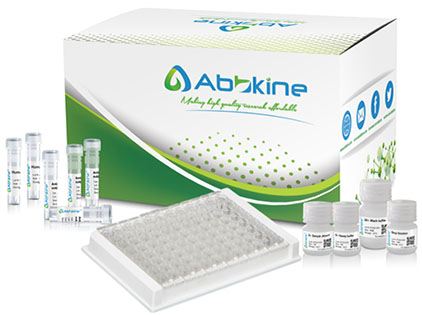
Every pediatrician knows the sound of rotavirus before the lab result comes back: the sudden projectile vomiting, the watery rice-water diarrhea that dumps 5–10% of a 9-month-old's body weight in a day, and the dehydration crash that lands families in the ER by nightfall. Rotavirus — genus Rotavirus, family Sedoreoviridae (formerly Reoviridae), a triple-layered, 11-segment dsRNA virus ~70–75 nm in diameter — remains the single biggest viral cause of severe childhood gastroenteritis worldwide, responsible for an estimated ~128,500–215,000 deaths annually (pre-vaccine era numbers were >500k; vaccines have slashed that, but the bug hasn't gone anywhere). There are seven serogroups (A–G); Group A does >90% of human disease, and its outer capsid is built from two proteins that define the typing system: VP7 (G serotype, glycoprotein, ~37 kDa) and VP4 (P genotype, protease-sensitive, ~88 kDa), wrapped around the abundant VP6 group-antigen core (aa ~1–397, ~45 kDa). But here's the diagnostic nuance that most one-paragraph summaries skip: the virus you detect in stool (VP6 antigen capture EIA) tells you who's infectious today; the anti-rotavirus IgG in serum tells you who's already been through it — and that seroprevalence map is what actually guides vaccine policy, outbreak investigation, and cohort risk in daycare/winter-surge settings. The Human Anti-Rotavirus IgG (RV IgG) ELISA Kit (KTE63064) from Abbkine is the tool that reads that immunological shadow: an indirect ELISA where purified Group A rotavirus antigen is pre-coated on the plate, patient serum anti-RV IgG binds, and HRP-conjugated anti-human IgG (Fcγ) converts the signal into OD₄₅₀ → cut-off-classified Positive/Negative (with semi-quantitative index) — so your pediatric epidemiology, vaccine-uptake, or daycare-outbreak study measures exposure history, not just today's diaper swab.
Rotavirus in One Paragraph: An 11-Segment dsRNA Capsid That Weaponizes the Gut — And Why "Stool Positive" ≠ "Immune Map"
The infectious particle is a marvel of layered packaging:
Layer Proteins Job
Core (T=1) VP1 (pol), VP2 (scaffold), VP3 (capping), + the 11 dsRNA segments Transcription machine; hidden behind the first shield
Intermediate (T=13, icosahedral) VP6 (~45 kDa, 780 copies) Group-specific antigen (groups A–G) — the target of the classic rapid stool Ag strip tests (immunochromatography)
Outer (T=13, clipped-open during entry) VP7 (G-type glycoprotein) + VP4 (P-type protease-sensitive protein) + VP6 C-terminus Host attachment (histoblood group antigens/HBGA on enterocytes) + protease-activation gate; defines G/P genotypes (e.g. G1P[8] = most common globally, G2P[4] = Rotarix, G1–4 + P[8]/P[4] = RotaTeq pentavalent)
Transmission is fecal–oral, fomite, occasionally airborne droplet in vomitus aerosol — staggeringly efficient in daycares and household clusters. The clinical clock is:
Day Event
0–1 Incubation (mean ~2 d, range 1–3)
1–2 Vomiting hits first; stool starts shedding 10⁹–10¹⁰ particles/gram
2–5 Watery diarrhea peak; dehydration risk highest
Day 4–7 Anti-RV IgM appears; IgG starts climbing (day 7–14)
Week 2–4+ Stool Ag drops (but can shed intermittently up to ~3 weeks in immunocompromised); IgG plateaus, persists years
That persistence is the point: anti-RV IgG is the permanent record of the encounter, and vaccine (live-attenuated oral Rotarix® = monovalent G1P[8]; RotaTeq® = pentavalent G1–4/P[8]+P[4]) also leaves a seroconversion footprint (≥ 80–95% of infants mount detectable IgG by 4–6 weeks post-2nd dose) — which means your IgG assay is simultaneously answering two questions: "has this child seen wild virus?" and "did the vaccine take?"
Why the Indirect (Antigen-Coated) ELISA — And Why This Architecture Is the Correct One for "Detecting Antibody in Serum"
The analyte in KTE63064 is NOT rotavirus protein in stool (that's the VP6 Ag-capture EIA everyone uses at the bedside). The analyte is anti-rotavirus IgG in the patient's serum/plasma. You can't sandwich an IgG the way you sandwich IL-6, so the plate supplies the known antigen and the detection reads the human Fc:
The Three-Step Indirect Logic
- Microplate wells are pre-coated with purified Group A rotavirus antigen (typically grown in MA-104 monkey kidney cells, detergent-disrupted, affinity/ultracentrifuge-purified so the coated surface displays VP6, VP7, and VP4 conformational epitopes the human B-cell repertoire actually recognises after infection/vaccination).
- Diluted serum/plasma sample added → any anti-RV IgG specific to those epitopes binds → wells washed.
- HRP-conjugated anti-human IgG (Fcγ-specific) added → binds the constant region of the captured human IgG → TMB → blue → stop → yellow → read 450 nm.
OD₄₅₀ ∝ amount of anti-RV IgG bound → compared to a cut-off (ODc = mean Neg OD + 2–3 SD, or kit's formula) → reported Negative / Positive, often with a semi-quantitative Index = Sample OD / Cut-off OD.
From the distributor specifications aligned with KTE63064:
Parameter KTE63064-class Specification
Target Human anti-Rotavirus IgG (reactive to coated Group A rotavirus antigen: VP6/VP7/VP4 epitopes)
Format Indirect ELISA (rotavirus Ag pre-coated → sample Ab binds → HRP-anti-human IgG Fc detects)
Detection Anti-human IgG–HRP → TMB, read 450 nm
Calibration Range 1.5 – 24 ng/L (≈ pg-equivalents indexed via reference standard; practical readout is cut-off-classified and Index-valued)
Sensitivity / LOD ~0.1 ng/L
Sample Types Serum, plasma (EDTA/heparin), cell culture supernatants, other biological fluids
Assay Time ~2.5–4 hours
Storage Unopened 2–8°C; unused wells resealed, desiccated, 4°C
Status For Research Use Only; not for diagnostic procedures in humans
(Confirm lot-specific cut-off formula and recommended serum dilution — commonly 1:50–1:200 initial — on your shipped Abbkine datasheet/CoA for KTE63064.)
The Sample Rule: Serum > Plasma, and "Recent Meal / Vaccination Date" Is Part of the Data
• Serum (preferred): collect, allow 30–60 min clot at 4°C, spin ≥ 1,000–2,000 ×g, 10–15 min, 4°C, aliquot, -20/–80°C, avoid >1 freeze–thaw.
• EDTA/heparin plasma works for many serology panels (especially if you're running the same tube for other Igs or CBC differentials), but serum is the historical standard for rotavirus IgG comparability across studies.
• Record vaccination date — a 6-month-old bled 3 weeks post-Rotarix dose 2 should be IgG+, and that's vaccine seroconversion, not wild exposure. The way you tell them apart in a serosurvey is vaccine-status questionnaire + (sometimes) IgA profile + genotype-neutral VP6 epitope dominance — but the IgG platform itself just tells you "immune exposure happened."
Where Anti-Rotavirus IgG Serology Actually Carries the Paper (Beyond "Stool Was Positive")
- Pediatric Vaccine Uptake & Seroconversion Audits (The Real-World Effectiveness Question)
This is the flagship non-hospital use. Rotavirus vaccines are oral-live, cold-chain-sensitive, and they fail to seroconvert in ~5–15% of infants in low-middle-income settings (enterovirus co-infection, gut inflammation, low gastric acidity, malnutrition, maternal Ab interference). The audit question is simple: pre-vax bleed (baseline) → 4–6 weeks post-2nd dose → measure anti-RV IgG on the plate → report % seroconversion (Neg→Pos) and mean OD Index by group (exclusive BF vs. mixed-fed, urban vs. rural, refrigerated-chain compliant vs. breaches). That's the number ministries of health actually act on.
- Daycare & Winter-Surge Epidemiology: The "Who Already Had It" Variable
Rotavirus runs a predictable winter seasonal surge in temperate climates, and daycare centres are the amplification chambers. A single diarrheal child → fomite surfaces → 40–60% secondary attack in the room within 72 h. Running KTE63064 on fingerstick/few-mL bleeds from the whole room (staff + kids) gives you the prior-exposure landscape: high IgG in older toddlers + low in young ones = "the building seeded it last winter; now the susceptibles are concentrated in the <12-month cohort." That's the map that justifies closing a room vs. just "clean the toys."
- Outbreak Investigation: Wild vs. Vaccine-Strain Discrimination (The Serology + PCR Combo)
When a hospital NICU or pediatric ward gets a cluster, the first question is wild strain or vaccine-virus shedder? Stool PCR (genotyping for wild G1P[8] / G2P[4] vs. vaccine-attenuated backbone markers) answers that — but the IgG status of staff and cohort tells you who was already immune (couldn't amplify) vs. who was the susceptible window the shedder landed in. The indirect ELISA is the batchable screen that sorts the contact list before you waste sequencing capacity.
- Global Health & Anthropological Nutrition Links: The "Environmental Enteric Dysfunction" (EED) Cross
In stunting/NET/anthropometry cohorts, recurrent asymptomatic rotavirus excretion + malabsorption + chronic gut inflammation is part of the EED constellation. Anti-RV IgG titers (plus fecal calprotectin, zonulin, and lactulose:mannitol ratios) let you test whether the gut barrier failure is also letting viral particles/replication intermediates tickle the lamina propria often enough to maintain a low-level humoral engagement that a once-infected child wouldn't carry — a subtle distinction the stool-antigen-only approach misses entirely.
- Immunocompromised / Transplant Pediatrics: Persistence & Re-Activation Risk
SCID, hematopoietic stem cell transplant, oncology — rotavirus isn't just "a stomach bug" in these kids; prolonged/relapsing shedding happens, and severe dehydration + electrolyte crash can be lethal fast. Checking anti-RV IgG (serum) + stool Ag (rapid) in the same admission stratifies: Ag+ / IgG– = primary exposure in an immune-naïve host = highest risk; Ag+/IgG+ = re-shedding from an immune host = usually milder but still contagious. The IgG plate readout is the immune-history anchor.
- Animal-Model / Gnotobiotic / MA-104 Cell-Work Validation
Studying rotavirus entry (HBGA-dependent binding, VP4 cleavage by trypsin/matriptase, NSP4 enterotoxin pathway)? The suckling mouse or gnotobiotic pig model still relies on maternal anti-RV IgG transfer (passive) vs. active pup seroconversion as the readout of protection. KTE63064-type format on pup serum (tiny volumes, 10–20 µL) gives the serological denominator that "diarrhea score dropped" alone can't prove.
A Minimal Protocol Skeleton You Can Paste Into Methods
- Serum: collect, clot 30–60 min at 4°C, spin ≥ 1,000–2,000 ×g, 10–15 min, 4°C, aliquot, -20/–80°C, avoid >1 freeze–thaw.
- Dilute serum into kit assay buffer per the manual (typical initial 1:100 serum-in-buffer for pediatric samples, adjusted per lot CoA).
- Warm reagents ≥ 30 min RT before opening; protect TMB from light; stop uniformly; read 450 nm promptly; calculate Cut-off OD = mean Neg OD + 2 SD (or use kit's stated formula); report Negative if Sample OD < Cut-off, Positive if ≥ Cut-off; optionally compute Index = Sample OD / Cut-off for semi-quant ranking.
The Bottom Line
Rotavirus is the 11-segment dsRNA, triple-layered enteric virus whose Group A strains (outer-capsid VP7/Vp4, group-antigen VP6) still drive the majority of severe paediatric dehydrating gastroenteritis on Earth — and while the rapid stool VP6 Ag strip tells you who's infectious today, the anti-rotavirus IgG in serum is the only batchable, cold-chain-tolerant signature of who's already been through it and whether the vaccine actually took. The Human Anti-Rotavirus IgG (RV IgG) ELISA Kit — KTE63064 from Abbkine runs the correct architecture for that question: purified Group A rotavirus antigen pre-coated → sample anti-RV IgG captured → HRP-anti-human IgG(Fc) → TMB → 450 nm → cut-off-classified Positive/Negative with semi-quantitative Index, in a ~2.5–4 h workflow that scales from a 48-sample daycare audit to a vaccine-seroconversion panel without touching live virus for every tube.
Product Reference: KTE63064 – Human Anti-Rotavirus IgG (RV IgG) ELISA Kit
Learn more and order: https://www.abbkine.com/product/human-anti-rotavirus-igg-elisa-kit-kte63064/
(For Research Use Only; not for diagnostic procedures in humans.)





