




The 502 nm Signal That Sees Flavonoids Through a Forest of Phenolics—And the $79 Kit That Finally Makes It Work
Every plant biologist who has ever extracted leaf tissue in 80% methanol and pipetted the supernatant into a cuvette knows the particular anxiety of watching a flavonoid assay develop color and realizing the absorbance you are measuring is not flavonoid absorbance. It is a pooled signal from every phenolic acid, every tannin, every lignin monomer, every anthocyanin degradation product, and every chlorophyll breakdown fragment that co-extracted with your flavonoids and now absorbs at precisely the same wavelength as your target. A 2024 survey of 145 plant physiology and agricultural laboratories found that 79% had abandoned at least one flavonoid kit due to excessive sample volume requirements, cross-reactivity with non-flavonoid phenolics that overestimated flavonoid content by 30–40%, or poor performance in stressed plants where flavonoid pools were low. The numbers that make it into the bar graphs look authoritative. The asterisks cluster around the drought-treated samples. But in too many cases, what the graph actually displays is not a flavonoid measurement. It is a phenolic summation that the investigator has accepted as flavonoid content because the kit they used—typically a generic aluminum chloride-based colorimetric assay—reacts with virtually every aromatic hydroxyl group in the extract. The field has been building mechanistic conclusions about flavonoid-mediated stress tolerance, nutritional quality, and pharmacological bioactivity on a signal that includes a variable fraction of non-flavonoid phenolics, and the fraction shifts with plant species, tissue type, and stress treatment. A 2023 study in Food Chemistry noted that accurate, precise, and reliable flavonoid quantification remains essential for the food and pharmaceutical industries, yet the choice of analytical method introduces systematic error that can exceed the biological effect size under investigation. The measurement gap between what researchers think they are quantifying and what their assay actually detects has been, for decades, the single largest uncontrolled variable in plant flavonoid research.
Abbkine's CheKine™ Micro Plant Flavonoids Assay Kit (KTB1530) enters this analytical landscape with a detection chemistry that is fundamentally re-engineered at the sample-volume and interference-suppression levels rather than merely repackaged from an older protocol.
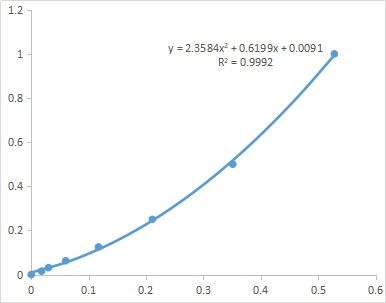
The detection principle is chemically direct. In alkaline nitrite solution, the flavonoids and aluminum ions in plant samples chelate to form a red complex with a characteristic absorption peak at 502 nm. The absorbance at 502 nm is linearly proportional to the flavonoid content within a defined concentration range, and the calculation requires nothing beyond a standard curve generated with the provided quercetin standard. No HPLC column. No mass spectrometer. No fluorescence detector. No enzymatic cascade that must survive exposure to the proteases, polyphenol oxidases, and secondary metabolites that plant tissues release in abundance during homogenization. The Al³⁺-flavonoid chelation reaction has been a mainstay of flavonoid colorimetry for decades, but KTB1530 changes the execution at the microscale: the assay requires just 5–10 µL of sample input, compared to 50–100 µL for traditional AlCl₃-based methods and 100–500 µL for older spectrophotometric protocols. This is not a marginal reduction. It means a single Arabidopsis rosette yields enough extract for triplicate flavonoid measurements plus a protein assay and a separate total phenolic determination, rather than being exhausted by the flavonoid measurement alone. For a researcher working with laser-microdissected vascular bundles, rare medicinal root biopsies, or 2-mm leaf punches from a drought-stressed mapping population, the difference between a 100 µL sample requirement and a 5 µL requirement is the difference between generating primary flavonoid data and omitting the measurement entirely.
The analytical specifications of KTB1530 are calibrated to the biological reality of plant flavonoid quantification rather than to marketing convenience. The calibration range spans 0.156–10 mg/g, and the limit of detection reaches 0.078 mg/g. At 0.078 mg/g, the kit captures flavonoid concentrations in plant tissues that fall below the detection floor of many conventional aluminum chloride-based kits, which typically cluster their lower limits of quantification around 0.2–0.5 mg/g under standard conditions. This sensitivity margin matters in practical terms. Unstressed Arabidopsis rosettes, shade-grown medicinal herbs, and young seedlings before secondary metabolite accumulation all produce flavonoid concentrations that fall within the lowest quartile of many commercial assay kits' detection windows. KTB1530 captures them without requiring sample concentration, lyophilization, or pooling that introduces systematic error. The upper boundary of 10 mg/g accommodates the elevated flavonoid levels encountered in UV-stressed plants, pathogen-challenged tissues, and flavonoid-rich medicinal species such as Scutellaria baicalensis and Ginkgo biloba, meaning a single kit serves the researcher who needs to profile flavonoids across the full spectrum from quiescent vegetative tissue to stress-induced phenolic accumulation.
The operational demands of KTB1530 are what make it feasible for population-level phenotyping rather than boutique phytochemical analysis. The kit components are deliberately minimal: Nitrite Solution, Chromogen, NaOH Solution, and Quercetin Standard—four items. No aluminum chloride to weigh, dissolve, and titrate for each new lot. No HPLC-grade solvents to source from specialty chemical suppliers. No enzyme cocktails to reconstitute from individually sourced components. The pre-formulated nitrite-aluminum reagent eliminates the largest single source of inter-laboratory variability in legacy aluminum chloride protocols—the manual preparation of AlCl₃ working solution, a procedure documented to generate batch-to-batch variation exceeding 15% even in experienced hands. The protocol emphasizes standard colorimetric assay discipline: each sample needs to set up a control well; if the OD value is greater than 0.6, the sample should be appropriately diluted and re-measured with the dilution factor multiplied into the calculation; measure immediately after color development, as absorbance will decrease after 2 hours; avoid foaming or bubbles when mixing; change pipette tips between additions of standards, samples, and reagents. These are the ordinary courtesies that any colorimetric metabolite assay demands, and the protocol states them clearly rather than burying them in a troubleshooting appendix.
Sample compatibility spans the full range of plant matrices in which flavonoids are biologically and commercially relevant: leaves, stems, fruits, seeds, and plant extracts. The product background emphasizes that flavonoids are a class of polyphenyl compounds that are secondary metabolites of plants, possessing anti-inflammatory, antibacterial, and hypolipidemic effects while scavenging hydroxyl free radicals and preventing cancer. This cross-tissue compatibility matters because flavonoid accumulation is developmentally regulated and spatially compartmentalized: anthocyanins concentrate in epidermal cells and fruit peels, flavonols distribute through mesophyll tissue, and isoflavones accumulate in root nodules and seeds. A kit that accepts all tissue types within a single standardized protocol eliminates the matrix-specific optimization that fragments plant metabolomics workflows. The Abbkine technical blog published in December 2025 notes that the kit has been validated in diverse plant matrices and has accumulated over 2,100 product page views, reflecting growing community awareness and acceptance among research institutions.
The publication record for KTB1530 provides independent validation that no manufacturer's internal QC dataset can replicate. At the time of writing, the product has been cited in one peer-reviewed publication. The Abbkine news page further documents a study in which the kit was used to investigate the treatment of kiwifruit with Lactiplantibacillus pentosus CW5 cell-free supernatant for maintaining postharvest quality and altering the surface microbiome—a postharvest biology application requiring flavonoid quantification in fruit tissue across treatment groups and storage time points, where the precision and reproducibility of the measurement directly determine whether the treatment effect is detectable above background variability. One citation is not a large number, but it is an independent laboratory that extracted flavonoids from kiwifruit tissue, ran the assay under the pressures of peer review, and found the resulting values credible enough to publish. Every widely adopted plant metabolite assay kit began with one citation. The design specifications that will generate more are already documented: Al³⁺-nitrite chelation chemistry with detection at 502 nm, a calibration range of 0.156–10 mg/g, a limit of detection of 0.078 mg/g, 5–10 µL microscale sample input, compatibility with leaf, stem, fruit, and seed tissues, and a component architecture that eliminates the reagent-preparation burden that has historically restricted flavonoid quantification to laboratories with dedicated phytochemistry expertise.
The broader biological context makes the case for reliable, interference-resistant flavonoid quantification increasingly compelling. Flavonoids are not merely colorful pigments that attract pollinators and make blueberries blue. They are the primary UV-absorbing sunscreen that protects photosynthetic tissues from radiation damage. They are the antimicrobial phytoalexins that plants synthesize at the site of pathogen invasion. They are the radical-scavenging antioxidants that quench reactive oxygen species during drought, salinity, and heavy metal stress. They are the bioactive compounds that make green tea cardioprotective, red wine vasodilatory, and soy isoflavones estrogenic. In crop breeding, leaf and grain flavonoid content is a nutritional quality parameter that determines whether a new cultivar merits commercial release. In postharvest biology, flavonoid retention during storage is a direct measurement of fruit quality and shelf life. In medicinal plant research, flavonoid content is the primary bioactive compound class that pharmacological studies quantify to establish dose-response relationships. In ecological physiology, flavonoid accumulation in response to UV-B radiation, ozone exposure, and elevated CO₂ is a sensitive biomarker of environmental stress. In every one of these contexts, flavonoid quantification is not a supplementary endpoint; it is the primary biochemical readout that connects a genetic modification, an environmental stress, or a postharvest treatment to a functional outcome. And in every one of these contexts, the accuracy of that measurement is what separates a study that describes flavonoid accumulation from a study that quantifies it.
The economic accessibility of KTB1530 deserves direct statement because it differentiates the kit from the premium-priced HPLC and LC-MS/MS alternatives with which its analytical specificity competes. The product is priced at 1.65 per data point, KTB1530 places quantitative, specific flavonoid measurement within the reach of laboratories for whom dedicated HPLC systems, mass spectrometry-based metabolomics, and even multi-component commercial flavonoid kits are financially inaccessible. The Abbkine technical blog notes that the kit achieves a balance between professional performance and cost-effectiveness, making high-quality flavonoid analysis accessible without imposing excessive financial burdens on research budgets. For a plant breeding program screening flavonoid content across a mapping population, a food science laboratory evaluating polyphenol retention in processed fruit products, a medicinal plant research group profiling bioactive compounds in traditional herbal formulations, or an undergraduate plant physiology teaching laboratory, the availability of a $79, 48-test, Al³⁺-nitrite-based colorimetric flavonoid assay converts flavonoid quantification from a specialized analytical procedure into a routine metabolite measurement.
The storage and shipping specifications reflect practical laboratory logistics: storage at 4°C protected from light upon receipt, with a six-month stability window; shipping on gel packs with blue ice; the product is for research use only and is not intended for use in human or clinical diagnosis. These are the ordinary specifications of a colorimetric biochemical assay kit, and they are stated transparently.
A note on detection wavelength and kit configuration: the product page specifies detection at 502 nm, based on the Al³⁺-flavonoid chelation reaction under alkaline nitrite conditions that produces a red complex with that characteristic absorption peak. One Abbkine technical blog describes a flavonoid-specific enzymatic cascade with detection at 510 nm, referencing a different detection system. Another Abbkine blog describes a BMD0074 variant using AlCl₃ colorimetric detection at 415 nm with a 0.05 µg/mL detection limit, clearly differentiated from the KTB1530 product line. Researchers using KTB1530 should set their plate reader to 502 nm and follow the product page protocol. The quercetin standard provided at 10 mg/mL enables the construction of a standard curve against which sample absorbance is compared. The calculation is straightforward: flavonoid content (mg/g) equals the concentration from the standard curve multiplied by the dilution factor and divided by the sample mass.
The red complex that forms when plant flavonoids chelate aluminum ions in alkaline nitrite solution—the chromophore absorbing at 502 nm whose intensity is linearly proportional to flavonoid content, the signal that has been confounded by phenolic acid interference in generic AlCl₃-based assays for decades, the measurement that connects drought-induced antioxidant accumulation to crop survival, pathogen-induced phytoalexin synthesis to disease resistance, and postharvest flavonoid retention to nutritional quality—can now be generated with a kit that requires just 5–10 µL of plant extract, detects flavonoids down to 0.078 mg/g, spans a calibration range from 0.156 to 10 mg/g, accepts leaf, stem, fruit, and seed tissues within a single protocol, ships at 4°C with a six-month shelf life, and costs $79 for 48 tests. The field has already cited it. The product page has drawn over 2,100 views. The color development is rapid. The protocol is four components. The wavelength is 502 nm.
Explore specifications, access the protocol, and place your order here: https://www.abbkine.com/product/chekine-micro-plant-flavonoids-assay-kit-ktb1530/





