




CheKine™ Micro Creatinine (Cr) Content Assay Kit — FAQ for Renal Function and Metabolism Researchers
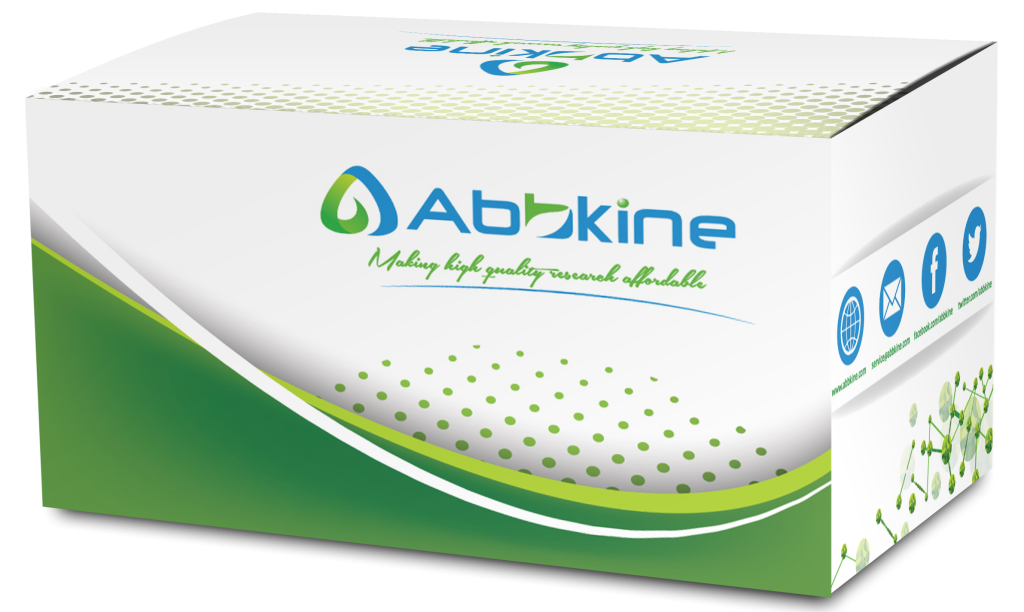
CheKine™ Micro Creatinine (Cr) Content Assay Kit: Your Questions Answered
Creatinine is a metabolic byproduct of muscle metabolism that is primarily excreted through glomerular filtration by the kidneys[reference:13]. Serum creatinine concentration reflects glomerular filtration function — when kidney function declines, creatinine levels rise[reference:14]. Accurate creatinine measurement is essential for renal function assessment, disease monitoring, and drug development.
Abbkine's CheKine™ Micro Creatinine (Cr) Content Assay Kit (KTB1002) provides a simple, convenient, and rapid method for detecting creatinine content in liquid samples[reference:15]. Here are answers to the most common questions about this kit.
What is the detection principle of this creatinine assay kit?
This assay is based on a multi-enzyme cascade reaction[reference:16]:
- Creatinine is hydrolyzed to creatine by creatinine amidohydrolase
- Creatine is converted to sarcosine and urea by creatine amidinohydrolase
- Sarcosine is oxidized by sarcosine oxidase to generate hydrogen peroxide
- Hydrogen peroxide reacts with chromogenic substrates (4-aminoantipyrine and F-DAOS) under peroxidase catalysis to produce a red quinimine compound
The quinimine compound has a maximum absorption peak at 546 nm. Within a certain concentration range, the change in absorbance at 546 nm is directly proportional to the creatinine content in the sample[reference:17].
What sample types can I use?
The kit is validated for:
- Animal tissues
- Serum
- Plasma
- Urine
- Other liquid samples[reference:18]
What's the detection range and sensitivity?
| Parameter | Value |
|---|---|
| Calibration range | 20–8,000 µmol/L[reference:19] |
| Limit of detection | 20 µmol/L[reference:20] |
This wide linear range covers both normal and pathological creatinine levels.
Does this kit have interference issues?
Yes — but the kit has built-in solutions. This kit contains anti-interference components such as ascorbic acid oxidase and EMse447, which effectively solve the interference of endogenous substances and other drugs in the sample[reference:21]. Common interfering substances are effectively neutralized.
How should I store and handle samples?
- Sample storage: If not assayed immediately, samples can be stored at –80°C for one month[reference:22]
- Sample dilution: It's recommended to perform several dilutions of your sample to ensure readings are within the standard value range[reference:23]
- Fresh samples: Fresh samples are necessary for good results; if not performing the assay immediately, complete the Sample Preparation step before storing[reference:24]
What are the critical handling tips?
- Follow the sample preparation protocol carefully
- Run standards and samples in duplicate or triplicate
- Ensure all reagents are at the appropriate temperature before starting
- Protect reagents from light during storage[reference:25]
What applications is this kit suitable for?
This kit is designed for research use only — not for human or clinical diagnosis[reference:26]. Applications include:
- Renal function research (kidney disease models, nephrotoxicity studies)
- Clinical research (biomarker studies, disease monitoring)
- Metabolism research (muscle metabolism, energy homeostasis)
- Drug development (nephrotoxicity screening)
- Nutritional studies (dietary effects on renal function)
What's included in the kit?
| Component | Included |
|---|---|
| Reagent I | ✅ |
| Reagent II | ✅ |
| Standard | ✅ |
A complete, ready-to-use kit with 12-month stability at 4°C[reference:27].
Has this kit been validated in publications?
Yes — this kit has been cited in 1 publication[reference:28], providing real-world validation from the research community.
📌 Reference Link: CheKine™ Micro Creatinine (Cr) Content Assay Kit — KTB1002





