




Human Adiponectin ELISA Kit — Application Scenarios for Metabolic, Cardiovascular, and Obesity Research
Adiponectin: The Adipokine That Protects Against Metabolic Disease
Adiponectin (ADP) , also known as GBP-28, Acrp30, or APM-1, is a 244-amino-acid protein hormone secreted exclusively by adipose tissue. It is one of the most abundant adipokines in the circulation, with plasma levels ranging from 5–30 µg/mL. Adiponectin has insulin-sensitizing, anti-inflammatory, and anti-atherogenic properties. Low adiponectin levels are a hallmark of obesity, type 2 diabetes, metabolic syndrome, and cardiovascular disease — making it one of the most clinically relevant adipokines.
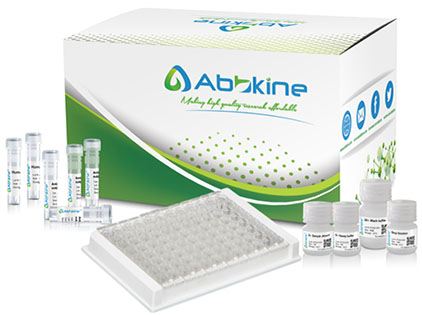
Abbkine's Human Adiponectin (ADP) ELISA Kit (KTE60939) provides researchers with a sensitive and specific tool for quantifying this critical adipokine in human samples. Here's how researchers across different fields are putting it to work.
Metabolic Syndrome and Diabetes Research
Adiponectin is a key regulator of insulin sensitivity. In obesity and type 2 diabetes, adiponectin levels are significantly reduced. Metabolic researchers use this kit to:
- Quantify adiponectin in serum and plasma from diabetic and obese patients
- Monitor adiponectin levels in response to lifestyle interventions (diet, exercise)
- Study the relationship between adiponectin and insulin resistance
- Investigate adiponectin as a biomarker for metabolic disease risk and progression
The sandwich ELISA format delivers quantitative data from serum or plasma — ideal for large-scale clinical studies and cohort analyses.
Cardiovascular Disease Research
Adiponectin has cardioprotective properties — it improves endothelial function, reduces inflammation, and inhibits atherosclerosis. Cardiovascular researchers use this kit to:
- Quantify adiponectin in cardiovascular disease patient cohorts
- Study the association between low adiponectin and coronary artery disease
- Investigate adiponectin's role in hypertension and heart failure
- Monitor adiponectin as a biomarker of cardiovascular risk
Obesity and Adipose Tissue Biology
Adiponectin is inversely correlated with adiposity — the more adipose tissue, the lower the adiponectin levels. Obesity researchers use this kit to:
- Quantify adiponectin in adipose tissue conditioned media and serum
- Study the regulation of adiponectin secretion in adipocyte cultures
- Investigate the effects of adipocyte differentiation on adiponectin production
- Monitor adiponectin in bariatric surgery and weight loss studies
Endocrinology and Hormone Research
Adiponectin interacts with other hormonal systems, including insulin, leptin, and glucocorticoids. Endocrinologists use this kit to:
- Study adiponectin-insulin crosstalk in metabolic regulation
- Investigate adiponectin-leptin ratios in metabolic health
- Monitor adiponectin in hormonal disorders (Cushing's syndrome, growth hormone deficiency)
Why Choose This Kit for Your Adiponectin Research?
| Feature | Benefit |
|---|---|
| Two-site sandwich ELISA | Quantitative, specific detection |
| Human reactivity | Directly applicable to human samples |
| Multiple sample types | Serum, plasma, cell culture supernatants |
| High sensitivity | Detects physiological and pathological adiponectin levels |
| High specificity | No cross-reactivity with other adipokines (leptin, resistin, etc.) |
| Complete components | Ready-to-use — no additional reagents needed |
| Biotin-streptavidin HRP | Enhanced signal amplification |
Kit Components at a Glance
- Human Adiponectin microplate (pre-coated with capture antibody)
- Human Adiponectin standard
- Human Adiponectin detection antibody (biotin-conjugated)
- Streptavidin-HRP
- Standard diluent, assay buffer, HRP substrate, stop solution, wash buffer, plate covers
🔬 Which research field does your work belong to?
Metabolic Syndrome & Diabetes | Cardiovascular Disease | Obesity Research | Endocrinology | Other
Share your application with us — we'd love to hear how you're using this kit in your studies!
📌 Reference Link: Human Adiponectin (ADP) ELISA Kit — KTE60939





