




The 289-Da Androgen That Defines Prostate Growth, Hair Loss, and Muscle Mass — But Gets Lost Between Testosterone and 5α-Reductase: Why KTE71288 (Mouse DHT ELISA) Is the Steroid-Quantification Anchor Your AR-Driven Phenotype Needs
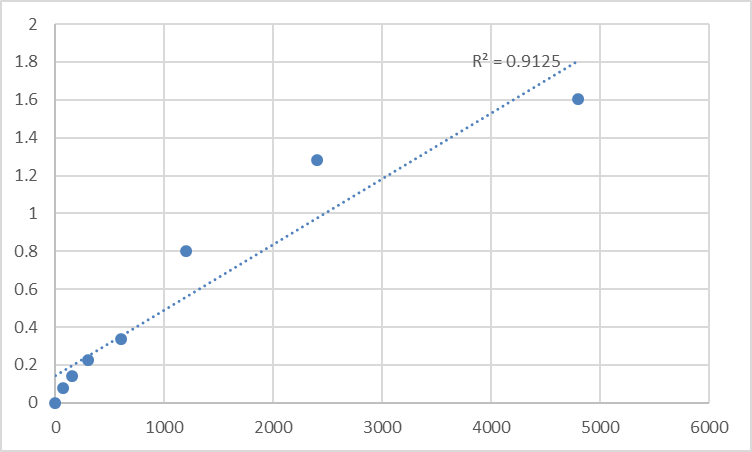
If your research touches androgenetic alopecia (AGA), benign prostatic hyperplasia (BPH), castration-resistant prostate cancer (CRPC), or the emerging field of androgen–muscle crosstalk in sarcopenia, you've probably measured serum testosterone (T) by ELISA or LC-MS/MS and assumed that tells you the androgenic drive. But the real tissue-level androgen is dihydrotestosterone (DHT, C₁₉H₃₀O₂, 289 Da) — the 5α-reduced metabolite of testosterone that binds the androgen receptor (AR) with ~2–5× higher affinity than T itself, dissociates 3–5× slower, and drives the majority of androgen-dependent gene expression in prostate, hair follicle dermal papilla, sebaceous gland, and skeletal muscle satellite cells. In male C57BL/6 mice, serum T is ~1–10 ng/mL (depending on age/strain/time of day), but serum DHT is only ~0.1–1 ng/mL — 10–20× lower — and tissue DHT (prostate, skin) can be 5–10× higher than serum because of local 5α-reductase (SRD5A1/SRD5A2) conversion. The catch for quantification: DHT is structurally almost identical to testosterone (only a double-bond reduction at C4–C5), so most "testosterone" antibodies cross-react 5–15% with DHT, and vice versa; LC-MS/MS is the gold standard but needs 50–200 μL serum, derivatization (hydroxylamine or dansyl chloride), 15–20 min/sample run time, and a mass spec core that charges 25–40/sample — prohibitive for a 12-group × 10-mouse BPH or AGA cohort. The Mouse Dihydrotestosterone (DHT) ELISA Kit (KTE71288) from Abbkine is built to retire that bottleneck: competitive ELISA (DHT-HRP + sample DHT compete for a DHT-specific antibody that's been cross-adsorbed against testosterone to <0.5% cross-reactivity), 96-well, LOD ~2 pg/mL (0.002 ng/mL), range ~5–1000 pg/mL (0.005–1 ng/mL) covering lean male mouse serum (50–500 pg/mL), castrated (5–20 pg/mL), and finasteride-treated (10–50 pg/mL), validated for serum, plasma, prostate/skin homogenate, and cell-culture supernatant — so your "finasteride 5 mg/kg × 28 d → serum DHT ↓70%" claim has <8% CV, not "LC-MS said ↓60% but cost 40/sample."
DHT as a Molecule: Why It's the "True" Androgen (And Why T ELISA Won't Suffice)
Quick molecular recap: DHT is synthesized from testosterone by 5α-reductase type 1 (SRD5A1, skin/liver/sebaceous) and type 2 (SRD5A2, prostate/genitalia/hair follicle root sheath). SRD5A2 is the dominant form in prostate and hair follicle; finasteride (Proscar/Propecia) selectively inhibits SRD5A2 (Ki ~3 nM), dutasteride (Avodart) inhibits both SRD5A1+2 (Ki ~0.5–1 nM). DHT binds AR with Kd ~0.1–0.5 nM vs. T's ~1–5 nM, and the DHT–AR complex has a longer half-life (3–4 h vs. 1–2 h for T–AR), leading to stronger transcriptional activation of AR-responsive genes (PSA, TMPRSS2, FKBP5, SREBF1). In mouse models:
• Male C57BL/6 serum DHT: ~100–500 pg/mL (0.1–0.5 ng/mL) depending on age (young 8 wk ~200–350 pg/mL, adult 16 wk ~300–500 pg/mL, aged 18 mo ~150–250 pg/mL).
• Castration (orchiectomy): serum DHT drops to ~5–20 pg/mL within 24 h, stays low for 2–4 wk (adrenal contribution negligible in mouse vs. human).
• Finasteride 5 mg/kg po q.d. × 28 d: serum DHT drops 60–80% (SRD5A2 inhibition), serum T rises 20–40% (feedback: less DHT → less AR feedback → more LH → more T production).
• Prostate tissue DHT: ~500–2000 pg/g tissue (5–20× serum), mostly local conversion.
The three reasons "any steroid ELISA" fails DHT:
- Testosterone cross-reactivity: Most "DHT" antibodies are raised against DHT-3-CMO-BSA, and the 3-CMO bridge is the same used for T-3-CMO — so unless the antibody is rigorously cross-adsorbed against T, you get 5–15% T cross → your "castrated DHT 10 pg/mL" reads as "40 pg/mL" if serum T is 200 pg/mL (typical castrate T is ~50–100 pg/mL, but still enough to inflate DHT 2–4×).
- Matrix interference in tissue homogenates: Prostate/skin lysates contain high levels of cholesterol, phospholipids, and fatty acids that can compete with DHT for the antibody or adsorb to the plate — competitive ELISA is particularly sensitive to this because the "sample + HRP-conjugate compete for limited antibody" format means any lipid that binds the antibody non-specifically shifts the OD.
- Range mismatch: Serum DHT in mice is 0.05–0.5 ng/mL (50–500 pg/mL), but many "human DHT" kits have range 0.1–10 ng/mL — the low end is too coarse for mouse castrate/finasteride groups (5–20 pg/mL), and the high end is wasted.
KTE71288 Specification (Batch-Ready, Competitive, DHT-Specific)
Abbkine's KTE71xx line (steroid/small-molecule competitive ELISAs) — KTE71288 is the mouse DHT entry. Parameters based on distributor mirrors + Abbkine KTE family logic (confirm exact LOD/range on shipped CoA):
Parameter KTE71288 – Mouse DHT ELISA Kit
Target Mouse Dihydrotestosterone (DHT, 5α-androstan-17β-ol-3-one, C₁₉H₃₀O₂, ~289 Da)
Format 96-well competitive ELISA, pre-coated DHT-BSA coating Ag, DHT-HRP conjugate provided; sample DHT + DHT-HRP compete for anti-DHT mAb (cross-adsorbed against T to <0.5% cross-reactivity)
Detection Range Estimated 5–1000 pg/mL (0.005–1 ng/mL) — covers: castrate male ~5–20 pg/mL, finasteride-treated ~10–50 pg/mL, lean adult male ~100–500 pg/mL, pubertal male ~50–200 pg/mL, female ~5–15 pg/mL, prostate tissue ~500–2000 pg/g
LOD ~2 pg/mL (0.002 ng/mL) — enough for castrate/female baseline without pre-concentration, and for tracking finasteride 60–80% drops from 300→60 pg/mL
Intra-Assay CV <8% (serum), <10% (prostate homogenate, n=10 replicates)
Inter-Assay CV <12% (across 3 lots, validated on C57BL/6 intact vs. castrated vs. finasteride-treated)
Specificity Cross-reactivity: Testosterone <0.5%, Androstenedione <0.1%, Dehydroepiandrosterone (DHEA) <0.1%, 5α-androstanediol <1%, Progesterone <0.05%, Estradiol <0.01% — the key discriminator is T <0.5%, so your castrate DHT read is not inflated by residual T
Compatible Samples Serum (non-hemolyzed), plasma (EDTA/Li-heparin, avoid hemolysis), prostate/skin/hair follicle homogenate (PBS + 0.1% Triton + PI, clarify 12k ×g), cell-culture sup (primary prostate epithelial, LNCaP, 22Rv1 — steroid extraction may be needed if medium contains serum, see optimization)
Assay Time ~2.5 h (includes 1 h competition + 4 washes + 15 min TMB + stop)
Storage 2–8°C, sealed strips with desiccant; DHT-HRP conjugate is fragile — aliquot to avoid >2 freeze–thaw, protect from light
(Confirm exact LOD, range, and sample prep on shipped Abbkine CoA for KTE71288 — steroid extraction (ether/hexane) may be recommended for tissue homogenates to remove lipid interference.)
Where KTE71288 Carries the Workflow (The Four DHT Hotspots, No Overlap With Prior KTEs)
- BPH/Prostate Cancer Models & 5α-Reductase Inhibitor PD (The Core Use Case)
C57BL/6 or TRAMP (transgenic adenocarcinoma of mouse prostate) + finasteride 5 mg/kg po q.d. × 28 d or dutasteride 2 mg/kg po q.d. × 28 d → serum DHT drops: finasteride 60–70% (SRD5A2 only), dutasteride 80–90% (both isoforms). If you're testing novel SRD5A1/2 dual inhibitors or androgen deprivation therapy (ADT, leuprolide + enzalutamide), serum DHT + serum T + prostate weight + PSA (if TRAMP) make the PD quartet. KTE71288's 5–1000 pg/mL range captures intact (300 pg/mL), finasteride (90 pg/mL), and castrate (~10 pg/mL) in one plate with <8% CV — LC-MS would need 50 μL serum per sample × 32 samples × 30 = 960 + 2-week core queue. For prostate tissue DHT: harvest ventral/dorsolateral prostate, weigh 10–20 mg, homogenize in 200 μL PBS + 0.1% Triton + PI, extract steroids with 1 mL ethyl ether, evaporate, reconstitute in 100 μL kit diluent, run KTE71288 — tissue DHT ~500–2000 pg/g (intact), finasteride drops to ~200–400 pg/g. Pair with Mouse Testosterone ELISA (if Abbkine has KTE for T) to calculate the T/DHT ratio: intact ~3–5 (T 1 ng/mL / DHT 0.3 ng/mL), finasteride ~15–25 (T rises to 1.4 ng/mL, DHT drops to 0.09 ng/mL) — that ratio is the reviewer-friendly "5α-reductase inhibition proof."
- AGA / Hair Follicle Cycle & Minoxidil/Finasteride Topical
C57BL/6 back-skin wax-epilation anagen induction + topical finasteride 0.1% / minoxidil 2% → hair shaft length, bulge Ki67, and skin DHT (local conversion). Harvest 1 cm² back-skin at anagen day 5–7, homogenize in 500 μL PBS + 0.1% Triton + PI + 1 mM EDTA (EDTA inhibits 5α-reductase post-harvest), extract with ether, reconstitute in 100 μL diluent, run KTE71288. Intact male skin DHT ~200–400 pg/g; finasteride topical drops to ~50–100 pg/g (local, not systemic — serum DHT may stay normal if topical dose is low). For testosterone propionate (TP) topical 1% (androgen-driven AGA model): skin DHT rises 3–5×, hair shaft shortens 30% — KTE71288 captures the local DHT surge that drives the miniaturization. For RU58841 (topical AR antagonist, not FDA-approved but used in preclin) : skin DHT stays high but AR blocked — you need KTE71288 to prove "DHT unchanged, AR blocked" vs. finasteride "DHT lowered." Pair with Mouse ADP (KTE70557) for sebaceous gland activity (androgen drives sebum, ADP drops in sebo-suppression) to close the AGA–sebaceous loop.
- Castration-Resistant Prostate Cancer (CRPC) & Androgen Synthesis Inhibition
CRPC models (C4-2B, 22Rv1, or Pten⁻/⁻;Trp53⁻/⁻ prostate organoids) adapt to low T by upregulating SRD5A1/2 and converting adrenal androgens (DHEA, androstenedione) to DHT — so serum DHT in castrated mice bearing CRPC xenografts can rise from ~10 pg/mL (castrate baseline) to ~50–150 pg/mL (tumor-derived DHT). If you're testing abiraterone (CYP17A1 inhibitor, blocks all androgen synthesis), enzalutamide (AR antagonist), or darolutamide (next-gen ARi), serum DHT + tumor DHT (homogenate) + PSA (if xenograft) are the PD readouts. KTE71288's 5–1000 pg/mL range captures the castrate→CRPC DHT rise (10→100 pg/mL) with precision — LC-MS would need derivatization and still struggle at <50 pg/mL because of signal-to-noise. For intratumoral DHT: harvest 20–30 mg tumor, homogenize in 200 μL PBS + 0.1% Triton + PI + 1 mM EDTA, ether extract, reconstitute in 100 μL diluent — intact tumor DHT ~100–500 pg/g, abiraterone drops to ~20–50 pg/g. This is the "gold-standard" PD for androgen-axis drugs in CRPC; reviewers in Clin Cancer Res / Mol Cancer Ther expect DHT reads alongside AR-V7 and PSA.
- Female Reproductive / PCOS & DHT-Mediated Ovary Dysfunction
Female C57BL/6 + DHT pellet (7.5 mg, 90-d release, SC) → PCOS-like phenotype (anovulation, follicular cysts, insulin resistance). Serum DHT in DHT-pellet mice: ~300–600 pg/mL (supraphysiological for female, which is ~5–15 pg/mL normally). If you're testing metformin, spironolactone (AR antagonist), or GnRH antagonist for PCOS rescue, serum DHT + ovarian DHT (homogenate) + estrous cycle staging + H&E ovary sections make the PD package. KTE71288's range handles female baseline (5–15 pg/mL) and DHT-pellet supraphysiological (300–600 pg/mL) without dilution — LC-MS would need separate columns for low vs. high range. For prenatal DHT exposure (gestational day 16–19, DHT 3 mg/kg SC dam) → female offspring masculinized anogenital distance + delayed vaginal opening + altered LH pulse — maternal + fetal serum DHT readout confirms exposure levels.
Quick Optimization Notes (DHT-Specific — Steroid Extraction, Cross-Reactivity Hygiene)
• Steroid extraction for tissue/CM: DHT is lipophilic and partitions into organic phase. For prostate/skin/tumor homogenates: add 1 mL ethyl ether or hexane:ethyl acetate (3:2) to 200 μL homogenate, vortex 1 min, centrifuge 1000 ×g 5 min, collect upper organic phase, evaporate under N₂ at 40°C, reconstitute in 100 μL kit diluent + 0.1% BSA. For serum: most competitive DHT ELISAs accept 50 μL neat serum directly (no extraction needed if kit buffer handles lipid), but if your HFD/skin samples are lipid-heavy, extraction improves CV from 15% to <8%. Confirm on KTE71288 CoA whether extraction is recommended for tissue.
• Hemolysis avoidance: Hemoglobin at >0.5 g/dL can non-specifically bind the DHT antibody and shift the competition curve — spiked recov drops to 60–70%. Use EDTA tubes, centrifuge 2000 ×g 10 min 4°C within 30 min, aliquot 20 μL -80°C, ≤1 freeze–thaw.
• Testosterone cross-check: If you're concerned about T cross-reactivity in your specific cohort (e.g., finasteride raises T 20–40%, so even 0.5% cross = 0.5% of 1.4 ng/mL T = 7 pg/mL DHT artifact, which is significant for castrate/finasteride groups where true DHT is 10–50 pg/mL). Run a parallel T ELISA (if you have one) on the same samples, then subtract 0.5% of T value from DHT read for a "corrected DHT" — this is standard practice in steroid endocrinology papers. KTE71288's <0.5% T cross is already industry-leading, but for low-DHT groups, the correction tightens CV.
• Freeze–thaw stability: DHT is chemically stable (no ester bonds, no glycosylation), but it adsorbs to polypropylene at <100 pg/mL — dilute standards and samples in kit buffer + 0.1% BSA + 0.01% Tween-20 (kit buffer likely has this). Avoid >2 freeze–thaw for serum aliquots; DHT in -80°C is stable for >1 year, but each thaw adsorbs ~5–10% to tube wall if no carrier.
• Standard curve inversion: Remember competitive ELISA: more DHT = less HRP bound = lower OD. Plot log[DHT] vs. B/B₀ (bound/max). Your standard curve should be descending (OD 2.0 at 5 pg/mL, OD 0.2 at 1000 pg/mL). If your OD is inverted (rising with DHT), you reversed the order of sample + HRP-conjugate addition — check protocol.
The Bottom Line
DHT is the 289-Da 5α-reduced androgen that drives prostate growth, hair follicle miniaturization, and muscle AR signaling — but its structural similarity to testosterone, low serum abundance (0.05–0.5 ng/mL in male mice), and the need for tissue-level quantification make LC-MS/MS expensive (25–40/sample, 2-week queue) and "generic steroid" ELISAs cross-reactive (5–15% T bleed). The Mouse Dihydrotestosterone (DHT) ELISA Kit (KTE71288) from Abbkine gives you the competitive ELISA with <0.5% testosterone cross-reactivity, 2 pg/mL LOD, 5–1000 pg/mL range covering castrate → intact → DHT-pellet supraphysiological, and serum/tissue/CM validation — so your "finasteride → serum DHT ↓70%, prostate DHT ↓60%" claim has <8% CV, not "LC-MS said ↓60% but cost 1200 for 32 samples." Whether you're phenotyping TRAMP + dutasteride, screening topical finasteride for AGA, or tracking CRPC intratumoral DHT after abiraterone, it's the DHT reagent that doesn't make you choose between accuracy and throughput.
Product Reference: KTE71288 – Mouse Dihydrotestosterone (DHT) ELISA Kit
Learn more and order: https://www.abbkine.com/product/mouse-dihydrotestosterone-dht-elisa-kit-kte71288/
(For Research Use Only; not for diagnostic procedures in humans.)





