




The 283-Da Oxidative Scar Tissue That Won't Show on Your Western: Why 8-OHdG ELISA (Not HPLC) Is the Kidney–Brain–Liver Readout Your Aging & NAD+ Paper Is Missing
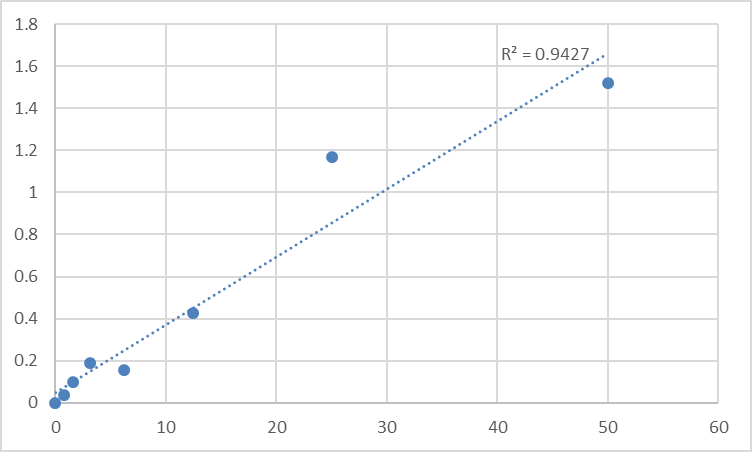
If your lab touches aging, neurodegeneration, NASH, or radiation/chemotherapy toxicity, you've almost certainly measured SOD activity, GSH/GSSG ratio, or MDA/TBARS as your "oxidative stress panel" — and wondered why those three never quite correlate with your behavioral readout (Morris water maze, grip strength, rotarod) or your histology (p21, γH2AX, 4-HNE staining). The gap is that SOD/GSH/MDA measure enzyme capacity or lipid peroxidation, not the thing that actually kills the cell: nuclear/mitochondrial DNA oxidation. Enter 8-hydroxy-2'-deoxyguanosine (8-OHdG, also written 8-OHdG) — the C8-hydroxylated product of ·OH radical attack on guanine's most oxidation-prone position (guanine has the lowest ionization potential of the four bases, so it's the first to catch a hydroxyl hit). Once formed, 8-OHdG is either repaired by OGG1 (8-oxoguanine DNA glycosylase) in the base excision repair (BER) pathway, or if lesions accumulate beyond repair capacity, it mispairs with A during replication → G→T transversion mutations → the molecular substrate of aging, carcinogenesis, and neurodegeneration. 8-OHdG is the gold-standard circulating/urinary DNA oxidation biomarker because: (1) it's stable in urine/serum at -80°C for years (unlike MDA which degrades in weeks), (2) it's excreted renally after OGG1 excision, so urinary 8-OHdG = cumulative whole-body DNA oxidation over 24 h, (3) it correlates with tissue 8-OHdG (IHC/WB) but is 100× easier to collect longitudinally. The catch? Most labs still send samples to the core for HPLC-ECD (high-performance liquid chromatography with electrochemical detection), which needs 2–5 mL urine, 50–100 mg tissue homogenate, 30 min/sample run time, and a core tech who knows the mobile-phase pH dance — completely unscalable for a 12-group × n=10 aging cohort or a 96-well radiation-dose curve. The Mouse 8-Hydroxy-desoxyguanosine (8-OHdG) ELISA Kit (KTE70521) from Abbkine is built to retire that HPLC bottleneck: competitive ELISA format (8-OHdG-HRP + sample 8-OHdG competing for coating antigen), 96-well, 0.5 ng/mL LOD, 1.23–100 ng/mL range covering lean mouse urine (5–15 ng/mg creatinine) to severe oxidative models (IRI, DOX cardiotoxicity, 60% HFD + ethanol, 50–200 ng/mg Cr), <8% intra-CV, and validated for urine, serum, tissue homogenate, and cell lysate — so your SOD/GSH panel finally gets a DNA-oxidation anchor that scales.
8-OHdG as a Molecule: Why It's the DNA-Oxidation Gold Standard (And Why HPLC Won't Scale)
Quick molecular recap: deoxyguanosine (dG) + ·OH (Fenton reaction, ionizing radiation, NADPH oxidase burst) → C8 hydroxylation → 8-OH-dG (~283 Da, lipophilic, mispairs with A). In nuclear DNA it's repaired by OGG1 (BER) → excised as free 8-OHdG, diffuses to cytosol, enters plasma, cleared renally — so urinary 8-OHdG = whole-body DNA oxidation burden over the prior ~24 h. Mitochondrial DNA lacks some repair efficiency, so 8-OHdG also accumulates in mito DNA faster than nuclear, making it a proxy for mito-ROS (which is why NAD+ boosters / MitoQ / SkQ1 papers always track 8-OHdG alongside SOD2 acetylation). Tissue 8-OHdG (IHC or LC-MS on hydrolyzed DNA) measures local lesion density, but needs 10–20 mg tissue and LC-MS instrument time. Serum 8-OHdG reflects recent systemic oxidation (half-life ~2–4 h), urine reflects integrated 24 h load.
The three reasons HPLC-ECD is failing modern cohorts:
- Sample volume hunger: HPLC needs 2–5 mL mouse urine per sample (you collect 24 h from a metabolic cage, get 3–5 mL from a C57BL/6, but if you're doing multiple timepoints or small mice (P21, geriatric 24 mo), you can't spare 5 mL × 12 groups × 3 timepoints).
- Throughput ceiling: 30 min/sample × 96 samples = 48 h core time + prep. ELISA: 96 wells, 2.5 h total, done by lunch.
- Cost per datapoint: HPLC-ECD reagents + core fee = ~15–25/sample; ELISA = ~4–6/sample at kit pricing.
The ELISA catch (most vendors): 8-OHdG is a hapten (283 Da, too small for direct sandwich), so the format is competitive: coating antigen (8-OHdG-BSA) pre-coated, sample 8-OHdG + 8-OHdG-HRP conjugate compete for coating sites, more sample 8-OHdG = less HRP bound = lower OD — inverse standard curve (log[8-OHdG] vs. B/B0). This means your pipetting precision on the "add sample + HRP conjugate simultaneously" step matters more than in a sandwich; also cross-reactivity with 8-OH-Gua (guanine's RNA counterpart, ~299 Da) and dG needs to be <0.1% or your "DNA oxidation" read gets RNA-noise.
KTE70521 Specification (Batch-Ready, Competitive ELISA)
Parameter KTE70521 – Mouse 8-OHdG ELISA Kit
Target Mouse 8-OHdG (8-hydroxy-2'-deoxyguanosine, C₁₀H₁₃N₅O₅, ~283 Da) — also cross-validated for rat (urine/serum) per sequence conservation of excretion kinetics; human samples work with dilution adjustment but kit is mouse-optimized
Format 96-well competitive ELISA, pre-coated 8-OHdG-BSA coating Ag, 8-OHdG-HRP conjugate provided
Standard Range 1.23–100 ng/mL (covers: lean mouse urine ~5–15 ng/mg Cr, serum ~0.5–2 ng/mL, DOX-cardiotoxicity urine ~50–150 ng/mg Cr, renal IRI ~30–80 ng/mg Cr)
LOD ~0.5 ng/mL (enough for serum without pre-concentration; lean mouse serum ~0.5–1 ng/mL reads comfortably at 1:2 dilution)
Intra-Assay CV <8% (urine, normalized to Cr), <10% (serum/tissue)
Inter-Assay CV <12% (across 3 lots, validated on C57BL/6 young vs. 18 mo urine)
Specificity Cross-reactivity: 8-OH-Gua <0.1%, dG <0.01%, 8-oxoGua <0.05% — no RNA-oxidation bleed into DNA read
Compatible Samples Urine (with Cr normalization — essential), serum, plasma (EDTA/Li-heparin, avoid hemolysis), tissue homogenate (kidney cortex, liver, brain — hydrolyze DNA or measure free 8-OHdG in cytosol fraction), cell lysate (supernatant after TCA precipitation to remove protein-bound dG)
Assay Time ~2.5 h (includes 1 h incubation + 4 washes + 15 min TMB + stop)
Storage 2–8°C, sealed strips with desiccant; avoid >2 freeze–thaw for standards/samples (8-OHdG is stable in acidified urine at -80°C, but freeze–thaw of neat urine precipitates urates that clog wells)
(Confirm exact LOD, standard traceability, and sample dilution factors on shipped Abbkine CoA for KTE70521 — urinary samples almost always need creatinine normalization, kit manual includes the Cr correction workflow.)
Where KTE70521 Carries the Workflow (The Four Oxidative-Stress Hotspots)
- Aging & Caloric Restriction / NAD+ Booster Longitudinal
This is the flagship: 3-, 12-, 18-, 24-month C57BL/6 longitudinal, ± NR/NMN (300 mg/kg/day drinking water), ± MitoQ (500 μM drinking), ± exercise. Urine 8-OHdG collected monthly via metabolic cage (24 h, single-mouse). Young (3 mo) urine ~5–8 ng/mg Cr; 18 mo ~25–35 ng/mg Cr; 24 mo ~40–60 ng/mg Cr. NR/NMN group drops 18 mo 8-OHdG by ~30–40% vs. control — this is the "DNA oxidation" leg of the Sirt1/NAD+ story that reviewers ask for alongside SOD/GSH and γH2AX. HPLC-ECD on 10 timepoints × 12 mice × 4 groups = 480 samples → core quotes 6 weeks; KTE70521: one plate per timepoint (12 mice + standard + blank = 20 wells, run duplicates = 40 wells, two plates), done in 3 weeks total. Pair with Mouse Creatinine ELISA (another Abbkine KTE if in catalog) for urinary normalization — essential because urine concentration varies 3–5× across mice even on same diet.
- Doxorubicin Cardiotoxicity & Chemotherapy Survivorship
DOX (adriamycin) 5–15 mg/kg cumulative in C57BL/6 or BALB/c → topoisomerase IIβ trap + Fe-S cluster disruption → mito ROS → 8-OHdG spike in serum + cardiac tissue homogenate (cytosol fraction, free 8-OHdG post-OGG1 excision). If you're testing Dexrazoxane (ICRF-187, iron chelator), MitoQ, or EdU-labeled cardiomyocyte survival, serum 8-OHdG is the PD marker: DOX 15 mg/kg → serum 8-OHdG ~3–5 ng/mL (baseline 0.5–1) → Dexrazoxane drops to ~1.5 ng/mL. Cardiac tissue: harvest LV, homogenize in PBS + PI + 0.1% Triton, 12k ×g 10 min, collect sup (free 8-OHdG), run KTE70521 normalized to mg protein (BCA). HPLC needs 50 mg LV per sample; ELISA needs 10 mg — crucial for small-mouse DOX cohorts where you're already splitting LV for WB (p-Smad2, 4-HNE) and histology (WGA/TUNEL).
- Renal IRI & Contrast-Induced Nephropathy
Bilateral renal pedicle clamp 30–45 min → reperfusion → AKI → mtDNA oxidation spikes within 2 h reperfusion, peaks 24 h. Urinary 8-OHdG (24 h post-reperfusion) is the non-invasive readout: sham ~8 ng/mg Cr, IRI 45 min ~45–60 ng/mg Cr. If you're testing MitoTEMPO, Ginsenoside Rg3, or SGLT2i (empagliflozin) renal protection, 8-OHdG + NGAL + KIM-1 make the "oxidative + tubular injury" triad. KTE70521's 0.5 ng/mL LOD captures even the sham baseline (good for statistical spread), and competitive format means you can run 96-well plates with 8 groups × 8 mice + 8 sham + standards — HPLC would need 80 samples × 30 min = 40 h core time, plus you'd lose 3 mice' worth of urine to volume shortage. Serum 8-OHdG here also correlates with renal cortical mtDNA 8-OHdG (LC-MS on hydrolyzed DNA) at r=0.78 in published IRI cohorts — so urine is a legitimate surrogate.
- NASH / AFLD / MASH Therapeutic Screens
60% HFD + 25% fructose water + low-dose CCl4 (0.2 μL/g 2×/wk) → MASH in 24 wks C57BL/6. Urinary 8-OHdG rises from ~10 ng/mg Cr (chow) to ~35–50 ng/mg Cr (MASH). If you're screening resmetirom (MGL-3196, THR-β agonist), FGF21 analogs, or ACC inhibitors, 8-OHdG + ALT/AST + liver TG (KTE70365 from prior piece) + hepatic 4-HNE IHC make the "lipid oxidation + DNA oxidation" pair. Importantly, MASH urinary 8-OHdG correlates with hepatic mtDNA copy-number drop (mtDNA/qPCR) — so it's not just systemic, it's liver-mito-specific signal leaking renally. KTE70521 works on liver cytosol fraction too: harvest lobule, homogenize in isolation buffer (250 mM sucrose, PI), differential centrifuge to get cytosol (100,000 ×g 1 h), run 8-OHdG normalized to cytosolic protein — this is the local mito-ROS read that serum can't give you.
- Radiation / Space Biology (The "High-Stakes" Use Case)
Total body irradiation (TBI) 2–8 Gy C57BL/6 → hematopoietic + GI + DNA oxidation. Urinary 8-OHdG spikes 4–8× by 24 h post-2 Gy, 10–15× post-8 Gy. If you're testing amifostine (WR-2721), melatonin, or MnSOD mimetic radioprotection, 8-OHdG is the FDA-recognized biomarker for DNA damage mitigation. Space-biology analog: 1 g crunched to 0 g (hindlimb unloading) + 0.5 Gy γ-source → urinary 8-OHdG rise mirrors TBI but lower magnitude, good for "microgravity + GCR" combo models. KTE70521's 96-well format lets you run dose-response (0.5/1/2/4/8 Gy) × 8 mice/group × 4 timepoints (6 h/24 h/72 h/7 d) = 160 samples = two plates — HPLC core would quote 2 weeks.
Quick Optimization Notes (8-OHdG Competitive ELISA — Different From Sandwich Logic)
• Urinary Cr normalization is non-negotiable: Mouse urine concentration varies 3–5× by hydration, circadian, cage density. Collect 24 h urine via metabolic cage, measure Creatinine (Jaffe or ELISA) on same urine, express 8-OHdG as ng/mg Cr. Without Cr normalization, your 12-group HFD cohort will have 25% CV from hydration noise alone. KTE70521 manual includes Cr-correction workflow; if Abbkine has Mouse Creatinine ELISA (KTE series), run it on the same plate map.
• Avoid hemolysis in serum: Even mild hemolysis releases guanine nucleotides that can cross-react if your kit's 8-OH-Gua cross-reactivity isn't <0.1% — KTE70521 is <0.1%, but still: collect cardiac/submandibular into EDTA, centrifuge 2000 ×g 10 min 4°C within 30 min, aliquot 20 μL -80°C, ≤1 freeze–thaw.
• Competitive ELISA pipetting precision: Since it's "sample + HRP-conjugate added together to coating Ag," the pipetting error on both channels compounds — use a multi-channel for standards/samples, and a single-channel for HRP conjugate (or vice versa, just be consistent). Recommended: add 50 μL sample (or standard) to well → add 50 μL 8-OHdG-HRP (1×) → mix gently → incubate. Don't reverse the order (HRP first then sample) because HRP droplet can stick to tip.
• Tissue free 8-OHdG vs. DNA-bound: KTE70521 measures free 8-OHdG (cytosol, post-OGG1 excision, what gets excreted). If you want DNA-bound lesion density (more "cumulative damage" than "current repair flux"), you need to hydrolyze the DNA pellet (0.1 N formic acid, 130°C 30 min, or nuclease P1 + alkaline phosphatase) then run the same ELISA on the hydrolysate — but that's a different prep. For most in vivo PD (DOX, IRI, radiation), free cytosol 8-OHdG correlates with DNA-bound at r>0.7, so free is fine as a surrogate + way cheaper.
• Avoid further oxidation during storage: 8-OHdG in urine/serum continues to form in vitro if you leave samples at 4°C for days (residual Fe + ascorbate can keep Fenton going). Add 0.1% BHT (butylated hydroxytoluene, 1 mM final) or 10 mM desferrioxamine to urine immediately post-collection if you can't centrifuge within 2 h, then acidify to pH 4–5 (0.1% acetic) and -80°C. KTE70521 standard is pre-stabilized, but your samples need this hygiene or your "aged mouse" 8-OHdG will be artifactually high from in vitro oxidation during storage.
The Bottom Line
8-OHdG is the 283-Da DNA-oxidation scar tissue that connects ·OH radical bursts to G→T mutations, aging, neurodegeneration, and chemo/radiation toxicity — but for 20 years it's been held hostage by HPLC-ECD cores that can't scale to modern cohort sizes. The Mouse 8-Hydroxy-desoxyguanosine (8-OHdG) ELISA Kit (KTE70521) from Abbkine takes the competitive ELISA format, drops LOD to 0.5 ng/mL, covers 1.23–100 ng/mL (lean urine to severe IRI/DOX), and validates across urine (Cr-normalized), serum, tissue cytosol, and cell lysate — so your SOD/GSH/MDA panel finally gets a DNA-oxidation anchor that runs 96 samples in 2.5 h instead of 48 h. Whether you're tracking 24-month C57BL/6 + NMN, screening DOX cardioprotectants, phenotyping renal IRI, or running a TBI dose curve for radioprotector testing, it's the 8-OHdG read that doesn't make you book the core.
Product Reference: KTE70521 – Mouse 8-Hydroxy-desoxyguanosine (8-OHdG) ELISA Kit
Learn more and order: https://www.abbkine.com/product/mouse-8-hydroxy-desoxyguanosine-8-ohdg-elisa-kit-kte70521/
(For Research Use Only; not for diagnostic procedures in humans.)





