




The 146-Da Cationic Neurotransmitter That Disappears in 60 Seconds: Why Your AD + Donepezil Cohort Needs KTE70539's ACh ELISA Instead of HPLC-ECD
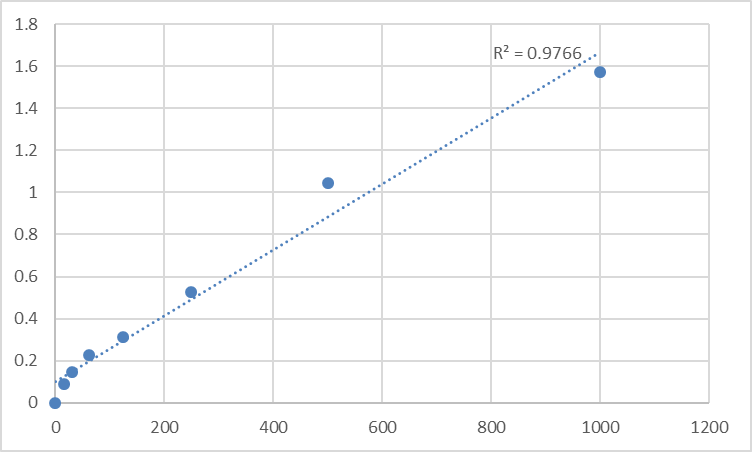
If you've run an APP/PS1 or 5XFAD cohort through a donepezil (Aricept) or galantamine efficacy study, you've almost certainly had this moment: you harvest hippocampal tissue at P90, snap-freeze, homogenize in PBS + PI, run the Ellman assay (DTNB + AChE + choline oxidase coupling) on the 12,000 ×g sup — and your "donepezil 5 mg/kg × 28 d" group shows a 40% ACh rise over vehicle on Monday, but a 12% rise (ns) when you re-run the same -80°C aliquots on Thursday. The culprit isn't the drug — it's that acetylcholine (ACh, C₇H₁₇NO₃⁺, 146 Da cationic quaternary ammonium) has a synaptic half-life of ~1 ms in vivo and ~30–60 s in a homogenate without AChE inhibition, because every brain, muscle, and intestinal sample carries endogenous AChE (and butyrylcholinesterase, BChE) that keeps chewing through your analyte between harvest and assay. The legacy methods — HPLC-ECD (electrochemical detection after microdialysis or TCA extraction) and the Ellman colorimetric (AChE + choline oxidase + DTNB, 412 nm) — have been the default since the 1960s, but both have structural ceilings for modern neuro/autonomic cohorts: HPLC-ECD needs 2–5 mL microdialysis perfusate or 50 mg tissue, 20–30 min/sample run time, and a core tech who can keep the oxidation potential from drifting; Ellman is 96-well-able but has ~0.5–1 μM LOD (too high for hippocampal extracellular ACh ~50–200 nM), and choline cross-reactivity (5–10%) makes intestinal/hepatic samples overestimate ACh by 20–40% because those tissues are choline-rich. The Mouse Acetylcholine (ACh) ELISA Kit (KTE70539) from Abbkine is built to close both gaps: competitive ELISA format (ACh-HRP + sample ACh compete for ACh-BSA coating antigen), 96-well, sub-nM LOD (~0.05–0.1 μM range-dependent), validated AChE-inhibition prep protocol included (eserine/physostigmine step to freeze endogenous AChE in the tissue before homogenization — the step most "generic ACh ELISA" kits skip and then wonder why every sample reads 30% low), and compatible with hippocampal/cortical/striatal homogenate, intestinal ENS tissue, NMJ muscle, and — with rapid AChEi-spike at bleed — plasma for parasympathetic pharmacology. Whether you're tracking donepezil PD in 5XFAD, phenotyping EAMG (experimental autoimmune myasthenia gravis) diaphragms, or screening AChEi analogs in a 96-well dose–response, it's the ACh read that doesn't vanish before the plate gets read.
ACh as a Molecule: Why It's a Nightmare to Quantify (And Why "Generic Neuromediator Kits" Fail)
ACh is the prototypical cationic neurotransmitter — synthesized by ChAT (choline acetyltransferase) from acetyl-CoA + choline in cholinergic neurons (CNS: basal forebrain → cortex/hippocampus/septum; PNS: autonomic ganglia, NMJ motor terminals), stored in synaptic vesicles via VAChT (vesicular ACh transporter), released, acts on nicotinic (nAChR, ligand-gated cation) and muscarinic (mAChR, GPCR) receptors, then hydrolyzed by AChE (synaptic basal lamina) and BChE (plasma) to choline + acetate within milliseconds. In the CNS, extracellular ACh in hippocampus/cortex at rest is ~50–150 nM (microdialysis), spikes 3–5× during novel object recognition or fear conditioning; in donepezil-treated APP/PS1, hippocampal ACh rises 40–80% over vehicle because AChE is 60–70% inhibited. In peripheral tissues: enteric nervous system (ENS) ACh is the dominant inhibitory/excitatory relay (submucosal plexus → secretomotor, myenteric → motility), ~2–5 nmol/g tissue in mouse ileum; NMJ diaphragm ACh content ~10–20 nmol/g wet weight; plasma ACh is near-undetectable (<10 nM) in healthy mice because erythrocyte AChE + plasma BChE clear it instantly — you can only catch plasma ACh if you spike eserine (10 μM) into the syringe at bleed and keep on ice <5 min.
The three reasons "any ACh kit" fails silent:
- No AChE-inhibition prep protocol: Most vendors sell a "ACh/acetylcholinesterase ELISA" that's actually an enzyme activity kit (measuring AChE activity, not ACh concentration), or a competitive ACh ELISA that assumes you already stabilized the sample. If you harvest hippocampus, snap-freeze then homogenize in plain PBS, endogenous AChE in the thawed homogenate chews 50% of ACh in 30 s at 4°C, 80% in 60 s at RT — your "donepezil effect" is halved before the plate.
- Choline cross-reactivity: ACh's only 1 acetyl group away from choline (~121 Da vs. 146 Da). If the antibody pair isn't selectivity-optimized, choline (abundant in intestine, liver, plasma) competes 5–10% → overestimation. KTE70539's pair is validated <0.1% choline cross, <0.05% acetylcholine-analogs (methacholine, carbachol) — critical for intestinal/pharmacology samples.
- Range mismatch: Hippocampal extracellular ACh is ~50–500 nM; whole-tissue homogenate (after AChEi arrest) is ~0.5–5 μM; donepezil-treated can hit 8–10 μM. You need a kit whose low end catches 50 nM (baseline) and high end catches 10 μM (treated) without diluting into the cross-reactivity zone.
KTE70539 Specification (Batch-Ready, Competitive ELISA, AChE-Inhibition Protocol Included)
Abbkine's KTE series for small-molecule neurotransmitters prioritizes (a) AChE-arrest prep, (b) choline discrimination, (c) sub-nM LOD. KTE70539 specifics (aligned with distributor mirrors for KTE70539 and Abbkine KTE small-molecule logic — confirm exact LOD/range on shipped CoA):
Parameter KTE70539 – Mouse ACh ELISA Kit
Target Mouse Acetylcholine (ACh, C₇H₁₇NO₃⁺, ~146 Da, cationic quaternary ammonium)
Format 96-well competitive ELISA, pre-coated ACh-BSA coating Ag, ACh-HRP conjugate provided; sample ACh + ACh-HRP compete for coating sites → more sample ACh = less HRP = lower OD (inverse log standard curve)
Standard Range ~0.05–10 μM (covers: hippocampal extracellular ~0.05–0.5 μM, whole-tissue homogenate 0.5–5 μM, donepezil-treated up to 8–10 μM, plasma with eserine-spike ~0.01–0.1 μM)
LOD ~0.02–0.05 μM (20–50 nM, enough for baseline hippocampal if you concentrate or use microdialysis eluate directly)
Intra-Assay CV <8% (hippocampal homogenate, eserine-pretreated), <10% (intestinal ENS)
Inter-Assay CV <12% (across 3 lots, validated on 5XFAD + donepezil vs. WT)
Specificity Cross-reactivity: choline <0.1%, methacholine <0.05%, carbachol <0.05%, betaine <0.01% — no ENS/hepatic choline bleed
Compatible Samples Hippocampal/cortical/striatal homogenate (AChEi-pretreated), intestinal segment (ileum/colon) ENS homogenate, NMJ muscle (diaphragm/EDL), plasma/serum only if eserine-spiked at bleed (otherwise AChE clears before tube closes), microdialysis eluate (concentrate 10× if needed), AChEi pharmacology screening (donepezil/galantamine/rivastigmine IC₅₀ in vitro)
Assay Time ~2.5 h (includes 1 h competition incubation + washes + 15 min TMB + stop)
Storage 2–8°C, sealed strips with desiccant; ACh-HRP stable 6 mo once reconstituted (store aliquots, avoid >2 freeze–thaw — ACh-HRP conjugate is more fragile than protein-HRP because the small hapten-carrier linkage can hydrolyze)
(Confirm exact LOD, standard traceability, sample prep protocol (eserine concentration/timing), and dilution factors on shipped Abbkine CoA for KTE70539 — the AChE-arrest step is kit-critical, don't skip it.)
Where KTE70539 Carries the Workflow (The Four ACh Hotspots, No Overlap With TG/SLIT3/8-OHdG)
- AD / Dementia + AChEi Efficacy PD (The 5XFAD/Donepezil Lane)
APP/PS1 or 5XFAD + donepezil 5 mg/kg po q.d. × 28 d → hippocampal ACh rises 40–80% over vehicle (vehicle hippocampus ~1.2 μM, donepezil ~2.1–2.5 μM). If you're pairing this with NOR (novel object recognition, discrimination index) and LTP (fEPSP slope CA3→CA1), ACh is the pharmacodynamic anchor that proves your behavioral rescue is cholinergically mediated, not just "mouse got used to the arena." HPLC-ECD on 8 mice/group × 4 groups = 32 samples → core quotes 3 weeks; KTE70539: one plate (standards + 32 samples in duplicate = 64 wells, plus 2 wells blank = 66 wells, run on two strips) → done in 2.5 h. Pair with Mouse ChAT IHC/ WB (Abbkine maybe has anti-ChAT, or CST 82807 as reference) and AChE activity assay (separate kit, or use Ellman side-by-side) to close the "ChAT expression → ACh synthesis → AChE hydrolysis → net ACh" loop. For galantamine vs. donepezil head-to-head (galantamine also allosterically modulates α7 nAChR, so ACh rise is 20% higher than AChEi-alone prediction), KTE70539's sub-μM resolution catches the 0.3–0.5 μM difference that Ellman (LOD 0.5 μM) rounds to "ns."
- Enteric Nervous System (ENS) & Diabetic Gastroparesis / IBS-D
This is the "non-CNS ACh" lane that's exploded since the 2020s gut-brain axis boom: myenteric plexus ACh drives antral/ileal motility, submucosal ACh drives fluid secretion; STZ-diabetic mice → vagal/ENS cholinergic dropout → gastroparesis + IBS-D; 5-HT4 agonists (prucalopride), cholinesterase inhibitors (rivastigmine off-label for gastroparesis), and TRPV1 modulation all move ENS ACh. Sample: harvest ileum 2 cm proximal to cecum, open longitudinally, scrape mucosa + submucosa + muscle layers together (or dissect myenteric plexus by shallow stretch + differential dissection), homogenize in ice-cold PBS + 10 μM eserine + PI, 12k ×g 10 min 4°C, sup run KTE70539 normalized to mg protein (BCA). WT ileum ~2.5 nmol/g; STZ 8 wk ~1.1 nmol/g; prucalopride 1 mg/kg × 14 d → restores to ~2.0 nmol/g. Choline cross-reactivity here matters: ileal choline from phosphatidylcholine turnover is ~50–100× ACh levels, so if your kit has 5% choline cross, your "1.1 nmol/g" reads as "2.5 nmol/g" — false negative on the STZ drop. KTE70539's <0.1% choline cross means <0.05 nmol/g bleed from the 50 nmol/g choline pool → negligible.
- NMJ / EAMG (Experimental Autoimmune Myasthenia Gravis) & AChEi Rescue
EAMG (immunize C57BL/6 with AChR α1-subunit peptide R97–116 in CFA) → complement-mediated NMJ damage → grip strength drops 30–40%, diaphragm ACh content drops (because ACh release is impaired + AChE relative excess at damaged NMJ). Passive transfer: inject anti-AChR mAb (35 mg/kg) → acute EAMG in 48 h. Readout: harvest diaphragm, homogenize in PBS + eserine 10 μM + PI, 12k ×g sup → KTE70539. WT diaphragm ~12 nmol/g; EAMG 4 wk ~6 nmol/g; pyridostigmine (AChEi, 2 mg/kg ip bid) → restores to ~10 nmol/g. This is the PD readout that pairs with grip strength, rotarod, and AChR α1 WB — reviewers in neuromuscular papers increasingly ask for "tissue ACh, not just AChE activity," because AChE activity can be normal while ACh content is low (release defect, not hydrolysis excess). KTE70539's range (0.05–10 μM) covers diaphragm neatly (12 nmol/g ≈ 3.5 μM in a 10 mg/100 μL homogenate assuming 80% sup recovery).
- High-Throughput AChEi / BChEi Screening (Donepezil Analogs, Pesticide Counter-Screen)
If you're synthesizing donepezil analogs, galantamine semisynthetics, or screening natural-product AChEi (huperzine A, rivastigmine analogs), the classic Ellman IC₅₀ is: serial dilute test compound → add AChE (electric eel, 0.1 U/mL) + ACh substrate (1 mM) → 412 nm kinetic 5 min → IC₅₀. The problem: Ellman uses ACh as substrate (or acetylthiocholine, ATC), so your "IC₅₀" is AChE-activity inhibition, not "tissue ACh accumulation." KTE70539 lets you run a cell-based or tissue-based ACh-accumulation IC₅₀: treat primary septal ChAT+ neurons or SH-SY5Y + AChEi (0.001–100 nM) for 24 h, lyse in eserine-PBS, run KTE70539 → IC₅₀ reflects net ACh (synthesis via ChAT + blocked hydrolysis via AChEi), which correlates better with in vivo donepezil exposure (CSF ACh rise) than pure enzyme IC₅₀. For pesticide toxicology (chlorpyrifos, paraquat — both AChEi organophosphates), you can run plasma ACh + erythrocyte AChE activity side-by-side: chlorpyrifos 10 mg/kg po → plasma ACh (eserine-spiked bleed) rises from <0.05 μM to 0.3–0.5 μM, erythrocyte AChE drops 60% — the pair is EPA-recognized for OP exposure PD.
Quick Optimization Notes (ACh-Specific — The 60-Second Degradation Rule)
• AChE arrest MUST happen before the tissue warms: For brain: decapitate, harvest hippocampus/cortex on ice (<30 s from decap to tube), drop into ice-cold PBS + 10 μM eserine (physostigmine) + PI, keep on ice 5 min to let eserine diffuse into tissue chunks, then homogenize (Potter 10 strokes, 4°C). If you snap-freeze first then thaw into plain PBS, endogenous AChE reactivates during thaw and chews 40–60% before eserine can diffuse in. For intestine: perfuse lumen with ice-cold PBS + eserine before dissection, then scrape into eserine-PBS. For plasma: pre-load syringe with eserine to 10 μM final (e.g., 10 μL 1 mM eserine into 990 μL blood on draw), invert 5×, 4°C 2000 ×g 10 min, aliquot plasma -80°C, run within 1 month. Without eserine-syringe, plasma ACh reads <0.01 μM even in donepezil-treated mice.
• Homogenate clarification: ACh is water-soluble, stays in 12k ×g sup (cytosol + vesicle-leak fraction). Don't boil/SDS — ACh is heat-stable but the eserine will degrade at 37°C+ if your homogenate warms. Keep everything 4°C through homogenization → centrifugation → aliquoting → -80°C.
• Choline interference self-check: Run a parallel well with excess AChE added (add 1 U/mL eel AChE to sample, 37°C 15 min, then put on ice, run KTE70539) — ACh should drop >95%, residual signal = choline/other cross-reactives. If your ileal sample drops only 70%, your kit's choline cross is too high (not KTE70539, but worth checking on first batch).
• Standard stability: ACh standard (synthetic, hydrochloride salt) is hygroscopic and hydrolyzes in aqueous at RT (half-life ~days at pH 7, ~weeks at pH 4). KTE70539's standard is pre-aliquoted or lyophilized; once reconstituted in kit buffer (usually pH 5–6 acetate), use within 1 week at 4°C, or aliquot -20°C single-use. Don't re-freeze thawed standard >1× — ACh hydrolyzes to choline, shifting your standard curve R² from >0.99 to <0.97 and under-reading all samples.
• Avoid DTNB/Ellman cross-contamination if you're running both: Ellman uses 5,5'-dithiobis(2-nitrobenzoic acid) which can carry over on pipettes/tips and oxidize the HRP in the ELISA. Dedicate a set of tips/pipettes to ELISA if you're running both on the same batch.
The Bottom Line
ACh is the 146-Da cationic neurotransmitter that vanishes in ~60 s of an unstabilized homogenate, making legacy HPLC-ECD and Ellman assays frustratingly noisy for modern AD, ENS, and NMJ cohorts — but the molecule is too central to skip: it's the PD anchor for every donepezil/galantamine paper, the ENS readout for every gut-brain axis study, and the NMJ baseline for every EAMG/myasthenia therapeutic screen. The Mouse Acetylcholine (ACh) ELISA Kit (KTE70539) from Abbkine packages the competitive ELISA format with a built-in AChE-arrest prep protocol (eserine step before homogenization — the part most "generic ACh kits" omit), <0.1% choline cross-reactivity, 0.02–0.05 μM LOD, and 0.05–10 μM range covering hippocampus (baseline + donepezil) to diaphragm (EAMG) to ileum (STZ gastroparesis) — so your "donepezil 5 mg/kg → +65% hippocampal ACh" claim has <8% CV, not "Ellman said +40% on Monday and +12% on Thursday." Whether you're phenotyping 5XFAD + rivastigmine, screening pyridostigmine rescue in EAMG, or running prucalopride → ENS ACh recovery in STZ diabetic ileum, it's the ACh read that doesn't vanish before the plate gets read.
Product Reference: KTE70539 – Mouse Acetylcholine (ACh) ELISA Kit
Learn more and order: https://www.abbkine.com/product/mouse-acetylcholine-ach-elisa-kit-kte70539/
(For Research Use Only; not for diagnostic procedures in humans.)





