




The 1,084-Da Hormone That Holds Your Blood Volume on a Leash: Why Arginine Vasopressin (AVP/ADH) Vanishes in a Warm Tube — And How KTE62629 Catches It Before the Peptidases Do
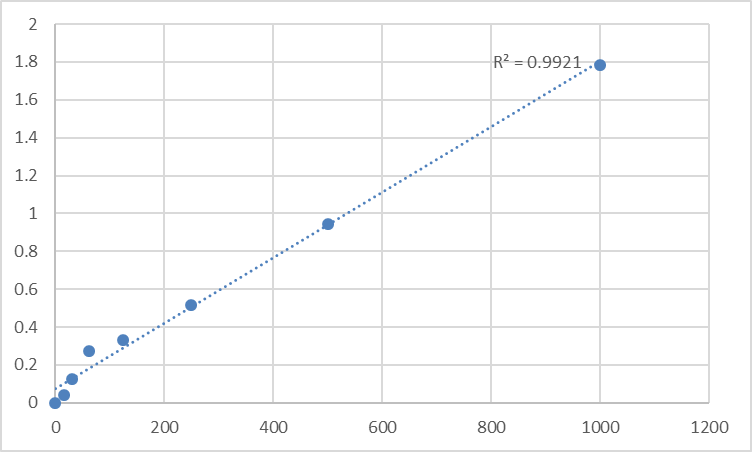
Arginine vasopressin is the only human hormone whose entire functional universe — every drop of free water you keep, every mmHg of arterial pressure you defend, and every liter of urine you don't waste — fits inside a single nine-amino-acid ring. Officially AVP (ADH/VP), Cys¹–Tyr–Phe–Gln–Asn–Cys⁶–Pro–Arg–Gly–NH₂ (cyclic disulfide, MW 1,084.2 Da, UniProt: P01185, Gene ID: 551, Chr 20p13, transcribed as part of the prepro-AVP–neurophysin II–copeptin polyprotein), it is synthesized in the supraoptic (SON) and paraventricular (PVN) nuclei, packaged into neurosecretory granules, and axonally transported to the posterior pituitary where osmoreceptor stretch (↑plasma osmolality ~295→305 mOsm/kg) or baroreceptor collapse (↓BP ~10–15%) trigger explosive exocytosis into the systemic circulation. The destination that matters clinically is V2 receptors on renal-collecting-duct principal cells — Gs → cAMP → AQP2 insertion into the apical membrane — which can swing urine concentration from 50 mOsm/L (max antidiuresis, AVP ~10–50 pg/mL) down to 100+ mOsm/L (aquaresis, AVP ~1 pg/mL or suppressed) in a single physiologic step. The Human Anti-diuretic hormone/Vasopressin/Arginine vasopressin (ADH/VP/AVP) ELISA Kit (KTE62629) from Abbkine is the immunoassay built for exactly this scale: a competitive hapten-format ELISA whose calibrated curve lives in the low-pg/mL regime where AVP actually exists in human plasma — so your polyuria-polydipsia differential, baroreflex study, or stress-HPA experiment rests on an interpolated number, not a "we sent it out for RIA" footnote you can't reproduce.
AVP in One Paragraph: A Nine-Aa Cyclic Nonapeptide That Is Gone in 10 Minutes
The structure is deceptively simple — the same Cys¹–Cys⁶ disulfide macrocycle that defines oxytocin, except position 3 = Phe (AVP) vs. Ile (OT) and position 8 = Arg (AVP) vs. Leu (OT) — but the physiologic consequences could not be more different. AVP's three receptor branches do completely separate jobs:
Receptor Tissue G-Protein Effect
V1a (AVPR1A) Vascular smooth muscle, brain, spleen, liver Gq/11 → PLC → Ca²⁺ Vasoconstriction; social/aggression/affiliative signaling in CNS
V1b/V3 (AVPR1B) Anterior pituitary corticotrophs Gq/11 → Ca²⁺ ACTH surge → cortisol (the stress–HPA arm: hemorrhage/hypovolemia → AVP co-secreted with CRH)
V2 (AVPR2, X-linked) Renal collecting-duct principal cells Gs → cAMP → PKA → AQP2 traffic Water reabsorption (the antidiuretic effect; defects = nephrogenic DI)
The number every lab memorizes — and the one that makes AVP the most sample-handling-sensitive hormone in the body — is its circulating concentration:
State Plasma AVP Urine Osmolality What's Happening
Euvolemic basal (fasting, supine) ~1–4 pg/mL ~500 mOsm/kg Tight osmostat idle
Mild dehydration / upright (2–4h) 5–15 pg/mL 600–800 V2 fully engaged
Max antidiuresis (24h fluid restriction / hypertonic saline) 20–50 pg/mL 800–1,200 Near-max AQP2 deployment
Hemorrhage / septic shock (baroreceptor panic) 50–200+ pg/mL variable (impaired concentrating if ATN/ shock kidney) V1a vasoconstriction + V1b→ACTH
SIADH (euvolemic hyponatremia) inappropriately "normal" or 2–8 pg/mL despite dilution inappropriately concentrated (>100 despite hyponatremia) The diagnostic paradox
Why a Competitive Hapten Immunoassay — And Why the Word "Sandwich" on a 1-kDa Nonapeptide Is Always a Category Error
You cannot run a true two-site sandwich on a nine-residue cyclic peptide — there is no room for two spatially independent, non-overlapping epitopes. What all AVP immunoassays actually deploy is the competitive format:
How KTE62629 Works (in practice)
The assay operates as a hapten competition ELISA:
- A microplate is coated (either with anti-AVP capture antibody or with an AVP–protein conjugate serving as the capture surface).
- Sample AVP + a limited, fixed amount of labeled detection reagent (HRP- or biotin-tagged AVP tracer / anti-AVP detection conjugate) are added together → they compete for the finite antibody/tracer sites.
- Wash → TMB → color develops.
- Signal is INVERSELY proportional to [AVP]: more AVP in your sample outcompetes the tracer → less signal → you read the descending curve.
From the distributor/technical references aligned with this kit class (and the Abbkine/chem17 ecosystem for AVP ELISAs):
Parameter KTE62629-class Specification
Target Human AVP / ADH / Arg-vasopressin (UniProt P01185, C₉H₁₉N₅O₄S₂, MW 1,084.2 Da)
Assay Type Competitive immunoassay (hapten ELISA; some vendor sheets lazily label it "sandwich" but the stoichiometry is competition)
Detection Tracer/HRP → TMB, read 450 nm (inverse curve)
Dynamic Range 1.25 – 80 pg/mL (some lots/format variants extend or compress within the 0.78–100 pg/mL envelope)
Sensitivity / LOD ~0.31 pg/mL
Intra-Assay CV < 8%
Inter-Assay CV < 10–12%
Specificity No significant cross-reactivity with oxytocin, angiotensin II, atrial natriuretic peptide, or other circulating peptides at physiological levels (depends on antibody selectivity; the Cys¹–Cys⁶ core is shared, so antibody quality is everything)
Samples Plasma (EDTA, chilled), serum (exploratory, less ideal), CSF, urine (exploratory), tissue homogenates, cell culture supernatants
Assay time ~2.5–4 hours
(Confirm exact standard range, tracer identity, dilution factor, and recovery matrix on the shipped Abbkine datasheet/CoA for KTE62629.)
The Sampling Protocol That Decides Whether Your AVP Is Real or a Peptidase Buffet
This is where every AVP dataset lives or dies — and it's why most clinical labs still default to RIA or LC-MS/MS for the "official" DI workup while research labs struggle to reproduce their own pg numbers.
The non-negotiable chain:
Step Why Rule
Tube AVP is a nona-peptide and plasma teems with aminopeptidases (APA/APN, insulin-regulated aminopeptidase, thimet oligopeptidase) Pre-chilled lavender-top EDTA tubes + aprotinin (Trasylol®, ~500 KIU/mL final) or commercially prepared Pefabloc + aprotinin protease-inhibitor cocktail
Draw Even 3–5 min at room temp costs you 20–40% of signal Collect, cap, drop immediately into wet ice, keep tube horizontal (max surface contact with cold wall)
Centrifuge You must drop cells now — RBCs and WBCs keep leaking peptidases into the plasma ≥ 1,500–2,000 ×g, 10 min, 4°C, within 30 min of draw
Aliquot / freeze Adsorption to naked plastic at pg/mL is real Low-binding polypropylene, snap -80°C, label, never freeze–thaw > once
Position Upright posture ↓ plasma volume ⇒ ↑osmolality ⇒ AVP spuriously "up" Standardize: 30 min supine rest before draw for the cleanest basal osmostat; document posture/time
Rule of thumb every endocrinologist uses: if your "basal" AVP comes back >10 pg/mL in someone who is euvolemic, hyponatremic, or casually seated at a phlebotomy chair — double-check the cold chain, because either the osmostat is broken (SIADH) or the tube sat warm and the stress of the draw made it.
Where AVP Quantification Actually Drives the Paper
- Polyuria–Polydipsia Syndrome: Central vs. Nephrogenic vs. Psychogenic DI
This is the canonical diagnostic application. The workup is a fluid-deprivation test → desmopressin (DDAVP) challenge, and the hormone readout is the hinge:
• Central DI (AVP deficiency): AVP stays < 1–2 pg/mL despite rising osmolality → urine stays dilute → DDAVP restores concentrating ability
• Nephrogenic DI (AVPR2/X-linked): AVP rises appropriately (>10–20 pg/mL) but kidneys can't respond → DDAVP does nothing
• Primary polydipsia (habitual overdrinking): AVP suppressed as expected, kidneys can concentrate when pushed, but chronic overhydration has mildly reduced medullary gradient
Measuring AVP (pg/mL) alongside plasma/urine osm, serum Na⁺, and BUN:Cr during the protocol gives you the endocrine cause, not just "lots of dilute urine."
- SIADH (Syndrome of Inappropriate ADH Secretion) — The Hyponatremic Paradox
SIADH is defined by hypotonic hyponatremia (<135 mEq/L) + urine osm >100 inappropriately + clinical euvolemia + no adrenal/thyroid cause, and the kicker is AVP is inappropriately detectable (say, 2–8 pg/mL) when it should be <1 pg/mL given the dilution. The ELISA lets you run a coded cohort (small-cell lung cancer, SSRI/SNRIs, carbamazepine, meningitis, SAH) and prove that the hyponatremia is AVP-driven rather than "third spacing + polydipsia."
- Baroreflex & Hemorrhage / Shock: AVP as the "Volume Guardian" That Outranks Ang II
Below ~MAP 70 mmHg, arterial baroreceptors unload → AVP surges 50–200× basal — a range that overlaps with the V1a vasoconstriction threshold and the AVP–V1b–ACTH–cortisol emergency axis. Animal and exsanguination-model studies use AVP ELISAs time-locked to MAP/HR/Lac to show exactly when the osmostat hands authority to the barostat.
- Exercise, Heat Stress & Military/Field Physiology
Prolonged aerobic exercise + sweat loss → rising plasma tonicity → AVP climbs in step with Na⁺ and copeptin (the C-terminal fragment of the AVP precursor, sometimes used as a surrogate when AVP itself is too unstable to ship). A field-portable ELISA workflow (cold-chain kit in a mobile cooler) lets you track dehydration trajectory without LC-MS.
- Neuropsychiatry / Social Neuroendocrinology (The V1a CNS Axis)
AVP in the CNS (PVN→extrahypothalamic projections) modulates pair-bonding, aggression, social recognition, and stress resilience; CSF AVP is the "real" central readout, while plasma AVP is a peripheral proxy that correlates loosely with arousal/stress. Exploratory CSF AVP (handled identically — chilled, protease-inhibited, snap-frozen) gives the field a way to run small-N studies without booking an RIA core.
- HPA-Axis Stress Models (V1b/ACTH Coupling)
Hemorrhage, LPS, restraint stress → AVP co-activates CRH on the corticotroph → ACTH/cortisol surge. Measuring AVP (pg/mL) + ACTH + corticosterone/cortisol across a stress timecourse (0, 15, 30, 60, 120 min) is the three-node readout that proves the baroreceptor (not just CRH) lit the fuse.
Quick "Before You Read 450 nm" Checklist
• Balance all reagents to RT (20–25°C) for ≥ 30 min before opening — but keep the standards/tracer on ice or in the cold block until the moment of addition (the pg scale punishes warm tracers).
• Protect from light (TMB photolysis is the silent CV killer).
• Never skip the zero-blank (B₀, max-binding) well — competitive curves need that anchor to define the descent.
• Fit a 4-parameter logistic (4-PL) or log-logit (B/B₀) — the AVP competitive curve is decisively nonlinear at both knees.
• Run the full standard curve fresh on every plate — at pg/mL, plate drift is real; borrowing yesterday's curve is why two runs disagree.
The Bottom Line
Arginine vasopressin is the 1,084-Da, Cys¹–Cys⁶ cyclic nonapeptide that runs the osmostat (V2 → renal water retention) and the barostat (V1a → vasoconstriction, V1b → ACTH/cortisol) — which means it controls every liter you keep or lose, and it does so at circulating concentrations of 1–50 pg/mL, vanishing in ~10 minutes if peptidases get loose in the tube. Measuring it demands a competitive hapten immunoassay whose inverse OD₄₅₀ → descending 4-PL curve gives you pg/mL you can interpolate, standardize, and defend — not a "sent out for RIA" mystery. The Human Anti-diuretic hormone/Vasopressin/Arginine vasopressin (ADH/VP/AVP) ELISA Kit — KTE62629 from Abbkine is built for exactly that job: antibody/tracer competition → HRP–TMB → 450 nm → pg/mL, over roughly a 1.25–80 pg/mL working envelope with LOD ~0.3 pg/mL, in a ~2.5–4 hour workflow that lives or dies by one rule: chill the tube, spin in 30 min, freeze in 60, and never thaw twice.
Product Reference: KTE62629 – Human Anti-diuretic hormone/Vasopressin/Arginine vasopressin (ADH/VP/AVP) ELISA Kit
Learn more and order: https://www.abbkine.com/product/human-anti-diuretic-hormone-vasopressin-arginine-vasopressin-adh-vp-avp-elisa-kit-kte62629/
(For Research Use Only; not for diagnostic procedures in humans.)





