




Quantifying the Synaptic Architect: Human Synapsin-1 (SYN1) ELISA Kit as a Keystone for Neurological Discovery
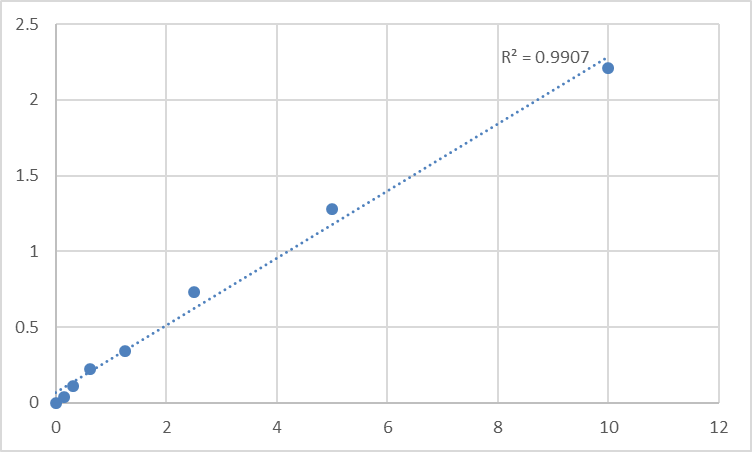
Within the vast and intricate network of the human nervous system, the synapse stands as the fundamental unit of communication, where electrical impulses are translated into chemical signals. The precise regulation of this process relies on a sophisticated array of proteins, among which Synapsin-1 (SYN1) plays a uniquely pivotal role. Primarily located on the membranes of synaptic vesicles, SYN1 acts as a crucial linker between vesicles and the cytoskeleton, regulating vesicle trafficking, docking, and neurotransmitter release. Its expression and phosphorylation state are dynamically modulated by neuronal activity, making it a sensitive biomarker for synaptic plasticity, the cellular basis of learning and memory. Consequently, alterations in SYN1 levels or function have been implicated in a spectrum of neurological and psychiatric disorders, including epilepsy, Alzheimer's disease, schizophrenia, and bipolar disorder. The Human Synapsin-1 (SYN1) ELISA Kit (KTE60411) from Abbkine provides researchers with a highly sensitive, specific, and reproducible tool for the precise quantification of SYN1 protein concentrations in complex biological matrices such as cell lysates, tissue homogenates, and serum, enabling critical insights into synaptic health and disease mechanisms.
SYN1: More Than a Structural Protein, A Dynamic Regulator of Neurotransmission
Synapsin-1 is not merely a static component of the synaptic vesicle pool; it is a key regulatory node whose phosphorylation by various kinases (PKA, CaMKII, MAPK) controls its association with vesicles and actin filaments. In its dephosphorylated state, SYN1 tethers synaptic vesicles to the cytoskeleton, maintaining a reserve pool. Upon neuronal depolarization and calcium influx, phosphorylation causes SYN1 to dissociate, releasing vesicles for mobilization to the active zone and subsequent exocytosis. This intricate regulation underscores why accurate measurement of total SYN1, and ideally its phospho-isoforms, is vital. It serves as a direct readout of the synaptic vesicle reserve and an indirect indicator of neuronal activity and signaling pathway engagement. Reliable quantification is therefore essential for studies on neurodevelopment, synaptic efficacy, and the pathological synaptic loss observed in neurodegeneration.
Assay Principle: Sandwich ELISA for Unmatched Specificity and Sensitivity
The Abbkine Human SYN1 ELISA Kit is based on a robust sandwich enzyme-linked immunosorbent assay (ELISA) format, designed to minimize cross-reactivity and maximize detection accuracy. A specific capture antibody pre-coated onto the microplate binds human SYN1 from the sample. After washing away unbound material, a biotinylated detection antibody specific for a different epitope on the SYN1 protein is added, forming an antibody-antigen-antibody "sandwich." Following another wash, Streptavidin-Horseradish Peroxidase (SA-HRP) conjugate is introduced, which binds to the biotin on the detection antibody. The final addition of a TMB substrate solution produces a blue color in proportion to the amount of captured SYN1. The reaction is stopped with an acid, turning the solution yellow, and the optical density is measured spectrophotometrically at 450 nm. A standard curve generated from known concentrations of recombinant human SYN1 allows for the precise interpolation of sample concentrations.
Key Features and Performance Advantages of the Kit
The Human Synapsin-1 ELISA Kit (KTE60411) is engineered for performance that meets the rigorous demands of neuroscience research:
• High Sensitivity and Wide Dynamic Range: The assay can detect very low levels of SYN1, typically down to the pg/mL range, with a broad standard curve, allowing accurate quantification across a wide concentration spectrum found in different sample types.
• Excellent Specificity: The carefully selected antibody pair ensures high specificity for human Synapsin-1, with minimal cross-reactivity to other synapsin isoforms (SYN2, SYN3) or unrelated proteins, guaranteeing that the signal truly reflects SYN1 concentration.
• Strong Reproducibility: The kit demonstrates high intra-assay (repeatability) and inter-assay (reproducibility) precision, with low coefficients of variation (CVs), ensuring consistent and reliable results across experiments, days, and users.
• Ready-to-Use Convenience: The kit includes all necessary components—pre-coated plate, standards, detection antibodies, conjugates, buffers, and substrates—optimized and QC-tested to work seamlessly together, saving valuable preparation time.
• Streamlined Protocol: The user-friendly procedure involves simple sample addition, incubation, and wash steps, typically completed within 3-4 hours, making it efficient for processing multiple samples simultaneously.
• Broad Sample Compatibility: The assay is validated for use with a variety of sample types relevant to neuroscience, including brain tissue homogenates, neuronal cell lysates, cerebrospinal fluid (CSF), and serum, offering flexibility in experimental design.
Critical Applications in Neuroscience Research and Biomarker Discovery
- Fundamental Neurobiology: Quantify changes in SYN1 expression during neuronal differentiation, synaptogenesis, and in response to neurotrophic factors or electrical activity, providing insights into basic mechanisms of synaptic development and plasticity.
- Neurodegenerative Disease Research: Measure SYN1 levels in post-mortem brain tissues, animal models, or patient-derived biofluids to investigate its role as a potential biomarker or pathogenic contributor in Alzheimer's, Parkinson's, and other tauopathies or synucleinopathies.
- Psychiatric Disorder Studies: Analyze SYN1 in relevant brain regions or peripheral samples from models or patients with schizophrenia, bipolar disorder, or depression to explore synaptic pathology underlying these conditions.
- Epilepsy Research: Investigate alterations in SYN1 phosphorylation or expression in epileptic foci or models of seizure activity, linking synaptic vesicle dynamics to hyperexcitability.
- Neurotoxicology and Drug Discovery: Screen the effects of neurotoxic compounds, environmental factors, or novel therapeutic candidates on synaptic integrity by monitoring SYN1 as a sensitive endpoint.
- Validation of Omics Data: Provide orthogonal, protein-level validation for findings from transcriptomic (RNA-seq) or proteomic studies that indicate changes in SYN1 gene or protein expression.
A Reliable Gateway to Synaptic Phenotyping
In the quest to decipher the molecular underpinnings of brain function and dysfunction, the ability to accurately quantify key synaptic proteins is non-negotiable. The Human Synapsin-1 (SYN1) ELISA Kit from Abbkine delivers a trusted, high-performance solution that bridges the gap between complex neuronal physiology and quantifiable biochemical data. By offering exceptional sensitivity, specificity, and ease of use, it empowers researchers to consistently generate reliable data on a protein central to synaptic mechanics. This kit is an essential resource for any laboratory engaged in exploring the synaptic basis of health, disease, and therapeutic intervention.
Product Reference: KTE60411 – Human Synapsin-1 (SYN1) ELISA Kit
Learn more and order: https://www.abbkine.com/product/human-synapsin-1-syn1-elisa-kit-kte60411/





