




Unlocking Synaptic Balance: The SYNGAP1 ELISA Kit as a Precision Tool for Neurodevelopmental Research
In the intricate landscape of synaptic signaling and neuronal plasticity, one protein stands out as a pivotal regulator: SynGAP (SYNGAP1). Functioning as a critical Ras GTPase-activating protein (RasGAP) within the postsynaptic density of excitatory neurons, SYNGAP1 acts as a molecular brake on key signaling pathways that control synaptic strength, dendritic spine maturation, and ultimately, cognitive function. Its precise regulation is fundamental for learning, memory, and maintaining the delicate excitatory-inhibitory balance in the brain. Consequently, disruptions in SYNGAP1 expression or function—most commonly through haploinsufficiency caused by de novo heterozygous mutations—are strongly and directly linked to a severe neurodevelopmental disorder known as SYNGAP1-related intellectual disability (SRID). This condition is characterized by a triad of global developmental delay, intellectual disability (often moderate to severe), epilepsy (affecting 84-98% of individuals), and a high prevalence of autism spectrum disorder (ASD) traits . The Human Ras GTPase-activating protein SynGAP (SYNGAP1) ELISA Kit (KTE60416) from Abbkine provides neuroscientists and clinical researchers with a highly sensitive, specific, and quantitative tool to accurately measure SYNGAP1 protein levels in complex biological samples. This capability is essential for investigating the molecular underpinnings of SRID, validating cellular and animal models, exploring SYNGAP1 as a potential biomarker, and screening therapeutic compounds aimed at modulating its expression or pathway activity.
SYNGAP1: A Master Regulator at the Heart of Synaptic Function and Dysfunction
SYNGAP1 is not merely a synaptic component; it is a central hub that integrates neuronal activity with structural and functional plasticity. Located abundantly in the postsynaptic density, it interacts with scaffolding proteins like PSD-95 and exerts its primary function by accelerating the GTP hydrolysis of Ras and Rap GTPases. This activity negatively regulates the Ras-ERK and PI3K-Akt signaling pathways, which are crucial for AMPA receptor trafficking and insertion into the postsynaptic membrane during long-term potentiation (LTP), the cellular correlate of learning and memory . Under normal conditions, SYNGAP1 restrains excessive synaptic strengthening and premature spine maturation. Upon strong synaptic activation, SYNGAP1 is phosphorylated and temporarily disperses from the PSD, releasing this brake and allowing for controlled, activity-dependent synaptic strengthening. In SRID, reduced SYNGAP1 levels (haploinsufficiency) lead to a persistent loss of this inhibitory control. The resulting hyperactivation of Ras signaling causes excessive AMPA receptor incorporation, synaptic over-excitation, disrupted excitatory-inhibitory balance, and the premature maturation of dendritic spines—a cascade of events believed to underlie the core cognitive deficits, epilepsy, and autistic features observed in patients . Therefore, precise quantification of SYNGAP1 protein is a direct readout of this critical regulatory node's status.
Assay Principle: Robust Sandwich ELISA for Specific and Accurate Quantification
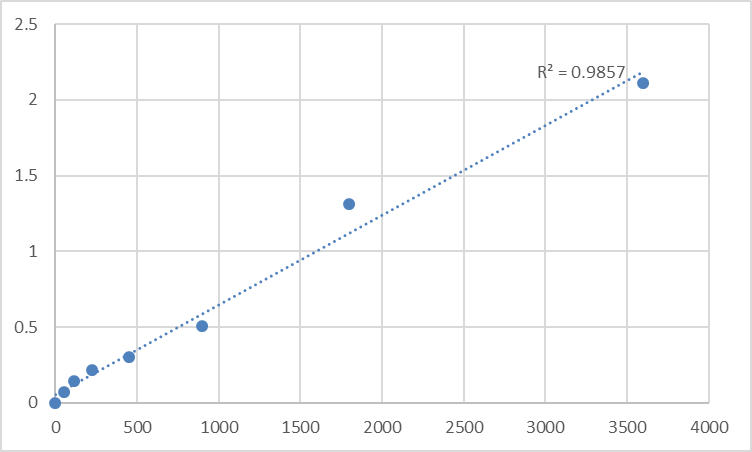
The Abbkine Human SYNGAP1 ELISA Kit employs a well-established and reliable two-site sandwich enzyme-linked immunosorbent assay (ELISA) format, designed to minimize interference and maximize accuracy for complex samples like brain homogenates, cell lysates, and biofluids. A microplate is pre-coated with a capture antibody specific for human SYNGAP1. When samples or standards are added, any SYNGAP1 present binds to this immobilized antibody. After washing away unbound materials, a biotin-conjugated detection antibody, specific for a different epitope on the SYNGAP1 protein, is added to form an antibody-antigen-antibody "sandwich" complex. Following another wash step, a Streptavidin-Horseradish Peroxidase (SA-HRP) conjugate is introduced, which binds tightly to the biotin on the detection antibody. The final addition of a TMB (3,3',5,5'-Tetramethylbenzidine) substrate solution initiates an HRP-catalyzed reaction, producing a blue color proportional to the amount of SYNGAP1 captured in the initial step. The reaction is stopped with an acid, turning the solution yellow, and the absorbance is measured at 450 nm. A standard curve generated from known concentrations of recombinant human SYNGAP1 allows for the precise interpolation of SYNGAP1 concentration in unknown samples .
Key Performance Features and Practical Benefits
The Human SYNGAP1 ELISA Kit (KTE60416) is engineered to deliver consistent, high-quality data that researchers can trust:
• High Sensitivity and Broad Dynamic Range: The assay can detect very low concentrations of SYNGAP1, typically in the ng/mL to pg/mL range, with a wide standard curve. This sensitivity is crucial for measuring SYNGAP1 in various sample types, including diluted cerebrospinal fluid (CSF) or tissue lysates where protein abundance may vary .
• Exceptional Specificity: The carefully selected antibody pair ensures minimal cross-reactivity with other synaptically enriched proteins or related RasGAP family members, guaranteeing that the measured signal accurately reflects human SYNGAP1 concentration .
• Excellent Reproducibility: The kit demonstrates high precision with low intra-assay and inter-assay coefficients of variation (CV), ensuring that results are consistent across replicates, different operators, and multiple experimental days .
• Ready-to-Use Convenience: All necessary components—pre-coated plate, lyophilized standards, detection antibodies, conjugates, buffers, and substrates—are provided in optimized concentrations and formats, saving significant preparation time and reducing pipetting errors.
• Streamlined and Efficient Protocol: The assay features a straightforward workflow with typical total incubation times of 3-5 hours, enabling researchers to process multiple samples (e.g., from a drug treatment screen or a cohort of patient-derived samples) in a single day .
• Validated for Multiple Sample Types: The kit is suitable for quantifying SYNGAP1 in a variety of biologically relevant matrices, including cell culture supernatants, tissue homogenates (especially brain), serum, and plasma, offering great flexibility for diverse experimental designs .
Critical Applications in Neuroscience and Translational Medicine
- Biomarker Research for SYNGAP1-Related Disorders: Quantify SYNGAP1 protein levels in patient-derived samples, such as induced pluripotent stem cell (iPSC)-derived neurons, cerebral organoids, or potentially in peripheral biofluids, to correlate protein expression with genotype and clinical severity, aiding in stratification and biomarker discovery.
- Validation of Preclinical Models: Accurately measure SYNGAP1 expression in brain tissues from Syngap1 haploinsufficient mouse or rat models to confirm the knockdown or knockout efficiency at the protein level, a critical step in characterizing any animal model of SRID .
- Drug Discovery and Therapeutic Screening: Employ the kit as a primary or secondary endpoint in high-throughput screens to identify small molecules, gene therapy vectors (e.g., AAV), antisense oligonucleotides (ASOs), or other therapeutic modalities that can upregulate or modulate SYNGAP1 expression or function .
- Basic Research on Synaptic Plasticity: Investigate how SYNGAP1 protein levels change in response to neuronal activity, neurotrophic factors, or pharmacological agents in primary neuronal cultures or brain slice preparations, linking molecular changes to functional outcomes like LTP or spine morphology.
- Investigating Comorbid Neurodevelopmental Conditions: Explore the role of SYNGAP1 in broader contexts of intellectual disability, autism, and epilepsy of unknown etiology, testing whether dysregulation of this pathway is a convergent mechanism in other disorders.
- Toxicology and Safety Pharmacology: Assess the impact of novel compounds or environmental factors on synaptic protein expression by monitoring SYNGAP1 levels as a sensitive indicator of neuronal health and synaptic integrity.
A Fundamental Tool for Decoding Synaptopathies
The path to understanding and ultimately treating complex neurodevelopmental disorders like SRID begins with the ability to make precise molecular measurements. The Human Ras GTPase-activating protein SynGAP (SYNGAP1) ELISA Kit from Abbkine provides a reliable, robust, and accessible method to quantify this key synaptic regulator. By enabling accurate protein-level analysis, it empowers researchers to bridge the gap between genetic findings, cellular pathophysiology, and potential therapeutic interventions. For any laboratory focused on synaptic biology, Ras/MAPK signaling, or the mechanistic study of neurodevelopmental disorders, this kit is an essential resource for generating quantitative, reproducible data on a protein of paramount importance.
Product Reference: KTE60416 – Human Ras GTPase-activating protein SynGAP (SYNGAP1) ELISA Kit
Learn more and order: https://www.abbkine.com/product/human-ras-gtpase-activating-protein-syngap-syngap1-elisa-kit-kte60416/





